



The Click-Through Rate, or CTR, is the number of clicks your ad or link receives divided by the number of times it's viewed, commonly known as impressions.
This metric doesn't just pertain to ads; it applies to any medium where a link is presented and a user has the choice to engage or scroll past—be it a search engine result, a social media post, or an email campaign.
Take the total number of clicks your link or ad has received, divide it by the total number of impressions, and then multiply by 100 to get a percentage.
That's clicks divided by impressions, times 100. A high percentage indicates a compelling narrative, an ad, or a link that resonates. Conversely, a low percentage suggests room for improvement, an opportunity to rewrite that story more engagingly.
CTR = (total number of clicks / total number of impressions) x 100
While marketers may juggle an array of metrics, CTR holds a unique place in this arsenal. Why? Because it's not just a vanity metric, it's a signal of relevance and resonance. A high CTR signifies that your message finds its mark; you're not just casting a wide net but landing quality catches. It's like a round of applause in a theater, discernible and immediate. Not only that, but a robust CTR positively impacts your Quality Score in platforms like Google Ads, lowering your cost per click. In essence, a focus on CTR becomes a self-rewarding endeavor, optimizing both your reach and your budget.
Now that we've explored the strategies for improving your CTR, it's time to put on our data detective hats and dive into the insights that CTR data can offer. Understanding what the numbers are telling you is crucial for making informed decisions. Let's embark on a journey to decode what your CTR data reveals and how to leverage it for better outcomes.
The click-through rate is more than just a number; it's a treasure trove of information about your audience's behavior and your content's effectiveness. A high CTR suggests that your message resonates with your target audience, that your ad or link is both visible and compelling. On the flip side, a low CTR may signal a disconnect between your message and your audience's expectations. It's like a conversation where your audience either eagerly joins in or remains disinterested. Understanding what your CTR indicates helps you fine-tune your strategies and ensures that every click is a step closer to your marketing goals.
Click-Through Rates aren't just confined to the realms of paid ads and search results. They're also a valuable metric in email marketing. When you send out emails, your CTR tells you how effective your email content and calls to action are at getting your recipients to take the desired action, whether it's visiting a landing page, making a purchase, or signing up for a newsletter. By analyzing CTR in your email campaigns, you can refine your messaging and layout to boost engagement and conversions.
The road to a high CTR is paved with various elements, each contributing to the metric in its own unique way. Factors like ad positioning and keyword relevance certainly play their roles, but so do subtler elements like ad copy and visual components. Let's not forget the influence of competition; a saturated market demands an even more finely tuned strategy to stand out. Additionally, user behavior trends shift, necessitating adaptability. It's a confluence of these factors that ultimately dictates your click-through rate, each a chapter in the story of your ad's performance.
Improving Click-Through Rate (CTR) is a key goal for many digital marketing campaigns, whether it's for search engine advertising, email marketing, social media, or other online initiatives. A higher CTR indicates that your content or ads are more engaging and relevant to your target audience. Here are several strategies to help improve your CTR:
Remember that CTR is just one metric, and it should be considered in conjunction with other performance indicators like conversion rates and return on investment (ROI). Focus on providing value to your audience and meeting their needs, and the CTR should naturally improve.
CTR is a metric that measures the ratio of clicks to impressions for an ad, link, or webpage. It tells you how many people who saw your content actually clicked on it.
Answer: CTR is crucial because it reflects the effectiveness of your content and ads in capturing audience interest. It's a key indicator of relevance and can impact Quality Scores, ad positions, and campaign success.
CTR is calculated by dividing the number of clicks by the number of impressions and then multiplying by 100 to get a percentage. CTR = (Clicks / Impressions) * 100.
CTR benchmarks vary by industry and platform. Generally, a good CTR is one that's higher than your historical performance and exceeds industry averages.
You can improve CTR by optimizing ad copy, using relevant keywords, experimenting with ad extensions, and targeting the right audience segments. Regular A/B testing also helps identify winning ad variations.
While CTR itself doesn't directly influence SEO rankings, it indirectly affects them. Higher CTR can lead to improved organic rankings because search engines see it as a sign of user satisfaction and relevance.
CTR is a key component of Google Ads Quality Score. A higher CTR indicates that your ads are relevant and engaging, which can lead to better ad positions and lower costs per click.
Yes, common mistakes include using irrelevant keywords, poor ad copy, an unclear call-to-action, mismatched landing pages, and not regularly reviewing and updating ad campaigns.
Yes, CTR should be interpreted in context. A high CTR doesn't guarantee conversions, and low CTR doesn't necessarily mean failure. It's essential to consider other metrics like conversion rate and ROI.
Use analytics tools like Google Analytics or advertising platforms' built-in analytics. Segment data to analyze CTR by device, location, demographics, and other factors to gain deeper insights.

Cost per Click, abbreviated as CPC, refers to the amount an advertiser pays every time a user clicks on their online advertisement. Unlike other metrics that focus on impressions or conversions, CPC zeroes in on clicks, giving advertisers direct insight into the immediate response of viewers to their ads.
The appeal of CPC lies in its directness. Instead of paying for a banner to be displayed or for a video to be watched, advertisers pay only when a potential customer shows explicit interest by clicking on their ad. This system provides an inherent balance of risk between the publisher (e.g., the website or platform hosting the ad) and the advertiser, making it one of the most popular and widely used advertising models.
CPC Formula:
CPC={Total Ad Spend} / {Total Number of Clicks}
Total Ad Spend:
Begin by determining how much you've spent on a particular advertising campaign. This includes all costs related to the ad, from creation to placement.
Total Number of Clicks:
Next, identify the total number of clicks your ad has received over a specific time period or during its entire run.
Example: If you spent $1000 on an ad campaign and received 500 clicks, your CPC would be: CPC ={$1000}{500} = $2
In this scenario, every time a user clicked on your ad, it cost you $2.
Remember, while a lower CPC is generally preferable as it indicates you're getting more value (clicks) for your money, it's essential to balance this with other metrics like conversion rate to ensure the clicks are translating into desired actions, such as sales or sign-ups.
Cost per Click (CPC) has multiple benefits for advertisers:
Here are strategies and tips to help reduce your CPC and optimize your advertising efforts:
By implementing these techniques, advertisers can not only decrease their CPC but also increase the overall effectiveness and ROI of their campaigns.
While CPC is a foundational metric for many advertisers, it's crucial to understand its role relative to other key advertising metrics.
While CPC provides insight into the immediate cost and user interest, other metrics like CPM, CPA, and CTR offer different perspectives on your ad's performance and reach. Successful advertisers often leverage a combination of these metrics to craft effective ad strategies.
The CPC is influenced by several factors including the competition for keywords, the platform's assessment of the ad's relevance and quality (like Google's Quality Score), and the maximum bid set by the advertiser.
Not necessarily. While a lower CPC means you're paying less for clicks, it's essential to balance this with the quality of those clicks. Sometimes, a slightly higher CPC can yield more qualified leads or better conversions.
Yes, most advertising platforms allow advertisers to set a maximum CPC bid, ensuring you never pay more than a specified amount for a click.
No, while commonly associated with search engine advertising, CPC is a metric used across various platforms including social media, display networks, and more.
Regular monitoring is essential. Depending on the campaign's size and goals, checking weekly or even daily can be beneficial, allowing for real-time adjustments and optimization. Many platforms are favoring automated bid strategies that take the overall budget and automatically vary bids/CPC to achieve higher performance. This could be an option for users who may not be as familiar with ad platforms.
Platforms like Google assess the relevance and quality of ads through metrics like the Quality Score. A higher score indicates that your ad is deemed more relevant to users, often leading to a lower CPC and better ad placements.
Yes, the device type can influence CPC. For example, mobile searches might have different CPCs compared to desktop searches due to variations in user behavior, screen size, and other factors. It's essential to segment and analyze data by device type to understand these differences.
Average CPC is the actual amount you're charged for a click. It's often less than the maximum CPC, which is the highest amount you're willing to pay for a click. The maximum CPC is set by advertisers during the bidding process, while the average CPC is determined by the ad auction and competing bids.
Negative keywords are terms that prevent your ad from being triggered by specific words or phrases. By using negative keywords, advertisers can filter out irrelevant traffic and potentially reduce wasted clicks, leading to a more optimized CPC.
Buyer personas, also known simply as "personas," are fictional, generalized representations of your ideal customers. They are created based on research and data about your real customers and are used to help businesses better understand and target their audience. Buyer personas go beyond simple demographics and provide a deeper understanding of customers' goals, pain points, motivations, and behaviors. They form the foundation of persona-based marketing, strategy designed to connect with your audience at all points of the funnel.
The creation and use of buyer personas come with several compelling benefits:
Creating a buyer persona involves careful research and a structured approach. Here are 6 steps to create your own:
The first step in creating a buyer persona is understanding the basic demographics of your audience. Begin by collecting data related to:
This foundational data gives you a picture of who your audience is on a surface level.
While demographics can tell you who your audience is, psychographics delve into why they behave the way they do. This involves understanding:
Such insights offer a deeper understanding of what drives your audience's decisions and how you can appeal to them.
Every customer segment has specific problems they are looking to solve. By identifying these pain points, you can better tailor your products or services to address them. Questions to consider include:
By understanding these challenges, you can position your brand as a solution to their most pressing issues.
Understanding how your audience makes purchasing decisions is crucial. Dive deep into:
Knowing these habits helps in crafting effective sales and marketing strategies.
Feedback, both positive and negative, offers valuable insights into what you're doing right and where there's room for improvement. Look at:
Such feedback can be instrumental in refining your offerings and improving customer satisfaction.
Now that you have gathered all the necessary information, it's time to create a comprehensive buyer persona. This involves:
By following this step-by-step guide, you'll have a detailed and actionable buyer persona that can guide your business decisions and marketing strategies.
Knowing where to look for data about your audience can be tricky. Consider first what data sources your business owns. Then turn to free and paid tools to get you the rest of the way to a full persona buildout. Here are some tools to consider:
Once you have detailed buyer personas, leverage them to sharpen your marketing strategies:
Your sales team can also greatly benefit from well-defined personas:
Intentional and thorough audience research recorded in buyer personas can be the difference between coasting or dominating in your industry. Want some help with that? 97th Floor is full of audience experts committed to developing real empathy for their client’s customers. Let’s talk!
Begin by segmenting your audience. Conduct individual research and craft a dedicated buyer persona for each segment, ensuring detail and accuracy.
Reviewing and potentially updating your buyer personas at least once a year is recommended. However, significant market changes or shifts in company strategy can warrant more frequent updates.
The depth of detail largely depends on the business's specific needs. However, it's generally beneficial to be as detailed as possible, covering demographics, psychographics, challenges, and motivations.
No, both B2C and B2B companies can benefit from buyer personas. While the considerations might differ (e.g., B2B might emphasize company size, industry, and job roles), the core principle remains the same: understanding the buyer.
Market segments categorize audiences based on shared characteristics or behaviors. In contrast, buyer personas are more detailed and narrative-based, painting a comprehensive picture of an idealized representative from each segment.
Yes! By understanding the needs, challenges, and desires of your target audience, businesses can better tailor products to meet those demands.
Highlight the benefits, such as improved marketing ROI, clearer customer understanding, and enhanced product alignment. Demonstrating the tangible advantages can convince stakeholders of the value of investing time and resources in crafting buyer personas.
Link building is an SEO strategy that revolves around acquiring hyperlinks from external websites that direct back to your site. These links act as bridges, driving traffic and authority from other sites and influencing how search engines rank web pages.
For search engines like Google, links are indicators of a web page’s credibility and importance. They work on the premise that a link from another website is like a "vote" or an endorsement of your content. The more quality endorsements or "votes" a page gets, the higher it will likely rank in search engine results. Moreover, these links allow search engine bots to crawl and index your site more efficiently.
The essence of link building revolves around procuring links that are of high value in the eyes of search engines. It's not just about quantity; the quality of links often matters more. Search engines analyze the quality of the links pointing to your site and use this data to help determine your site's relevance and authority on a given topic.
Asking for Links
A direct approach involves reaching out to website owners or bloggers in your industry and asking them to link to your site. This method works best when you have a specific piece of high-quality content you believe their audience would genuinely benefit from. However, it can also be done when the site is already mentioning the brand name but failed to include a link to your site.
Buying Links
While buying links is a controversial method and can lead to penalties if not done correctly, some platforms allow for legitimate advertising opportunities where a link back to your site is part of the deal.
Earning Links
Arguably the most beneficial method, earning links means producing top-notch content or services that others naturally want to link to. This can include insightful articles, infographics, or other valuable resources.
Preserving Links
Ensure that you maintain the links you've garnered. This involves regularly checking your links, making sure they aren't broken, and ensuring that the linking pages remain relevant and authoritative.
Authority
Links from authoritative websites are more valuable than those from lesser-known sites. Tools like Moz's Domain Authority or Ahrefs' Domain Rating can help gauge a site's authority.
Traffic and Keywords
While authoritative websites are valuable, if they consistently earn their own organic traffic and keyword rankings, the higher quality that website ends up being. Providing a better link to your site. Tools like Ahref’s Site Explorer can easily provide this information.
Relevance
For a link to provide real value, it should come from a site relevant to your industry or topic. A link from a leading tech blog is more beneficial for a tech startup than one from a food blog.
Anchor Text
This refers to the clickable text that holds the link. Descriptive, relevant anchor texts can help boost your SEO, but be wary of over-optimization.
Nofollow vs. Follow
While "dofollow" links pass on SEO value to your site, "nofollow" links do not. However, nofollow links can still drive traffic and enhance your site's visibility.
Placement
A link placed within the main content of a page is usually more valuable than a link in a footer or sidebar.
Destination
The specific page on your site that the link points to matters. Links to quality content or resource pages can be more beneficial than links to your homepage.
Studying where your competitors are getting their backlinks from can offer a roadmap to your link-building strategy. If a site links to multiple competitors, there's a good chance they might link to you as well, especially if you offer valuable, complementary, or even superior content.
A 'linkable asset' refers to high-quality content that naturally attracts backlinks. This could be in the form of:
The key is to create something unique, valuable, and share-worthy.
Merely creating quality content isn't enough. You need to put it in front of the right eyes to maximize its linking potential.
Promote your content to influencers in your industry. They can amplify its reach. Likewise, share your content in relevant online communities or forums where your target audience hangs out.
Consider using paid advertising campaigns to give your content an initial push. Platforms like Facebook, LinkedIn, or Google can be effective depending on your audience.
The larger and more engaged your audience, the higher the likelihood of your content getting shared and linked to. Regularly engage with your audience through social media, email newsletters, and other platforms.
Guest posting involves writing articles for other websites in exchange for a backlink. It's a win-win: they get quality content, and you get a valuable link.
Begin by targeting smaller blogs or platforms. As you build a portfolio, you can aim for larger, more authoritative sites.
When reaching out for guest posting opportunities, present a compelling pitch. Offer unique insights, exclusive content, or tackle a topic that's particularly relevant to their audience.
This is the concept of republishing already published content onto a third-party site. Similar to guest posting, it becomes a win-win situation for both parties. The third-party site gets quality content and you get access a wider target audience and gain a new backlink in return. However, because this content lives on multiple sites, it is important that the proper rel canonical tag is placed on the third-party site pointing to the main content source URL. Below are 4 examples of content syndication:
As you begin to grow your brand, your name will naturally gain recognition and be mentioned on different platforms, but they may not always be linked back to your site. Finding these unlinked brand mentions and reaching out to get your site linked properly is a quick and easy way to gain some backlinks with little effort on your part.
You can do this by doing a phrase search of your brand name or utilizing Ahref’s content explorer to find these opportunities.
Part of backlink building, is preserving what links have been gained. When a page on your site becomes a 404 error page, any traffic and authority from backlinks pointing to that page get lost.
This strategy is a quick-win scenario because all you have to do to preserve or regain a lost backlinks is by keeping your site clean of 404 errors and ensuring all broken pages get 301 redirected.
Utilizing the right tools can streamline your link building efforts, making it more efficient to find opportunities, track your progress, and analyze your competitors.
Remember, while tools can provide data and insights, successful link building also requires creativity, persistence, and relationship-building.
Mastering link building is a continuous journey. With each link earned, not only does your website climb the ranks in search engine results, but it also solidifies its position as a trustworthy and authoritative source in its niche.
As Rand Fishkin said: “Don’t build links. Build relationships.” The best way to approach link building is to garner the mutually beneficial relationships you need with those who have authority. Both users and Google will recognize your influence and reward accordingly.
Link building is the process of acquiring hyperlinks from external websites that point back to your site. It's crucial for SEO because search engines, like Google, use these links to help determine a site's authority, relevance, and overall search ranking.
No, not all links have the same value. Links from authoritative, relevant, and trustworthy sites are generally more valuable than links from lesser-known or unrelated sites. The context, placement, and other factors also play a role in determining link value.
"Dofollow" links pass on SEO value to the linked site, whereas "nofollow" links do not. However, "nofollow" links can still drive traffic and increase visibility, making them valuable in their own right.
Link building can enhance brand visibility, drive referral traffic, establish your brand as an authority in the industry, and help build meaningful relationships with other businesses and influencers.
Buying links can be risky and is generally discouraged by search engines. If detected, your site can be penalized, leading to a drop in rankings. It's always better to earn links naturally through valuable content and genuine relationships.
Using tools like Ahrefs, SEMrush, or Moz's Link Explorer can help monitor your backlink profile. Key metrics to track include the number of new backlinks, the quality of these links, referral traffic, growth in domain authority/rating, and any shifts in search engine rankings.
A "bad" link typically comes from low-quality, spammy, or irrelevant sites. Having many such links pointing to your site can hurt your SEO, as search engines might perceive your site as untrustworthy or of low quality.
Stay updated with guidelines from major search engines, especially Google's Webmaster Guidelines. Avoid shortcuts and black-hat techniques. Focus on creating high-quality content and building genuine relationships with authoritative websites.
Link building is a long-term strategy. While some results might be seen within a few months, significant improvements in rankings and traffic can often take six months to a year or more, depending on the competitiveness of your industry.
Quality should always be the priority. A few links from authoritative, relevant sites can be far more beneficial than numerous links from low-quality sources.
E-E-A-T sometimes referred to as Double E-A-T stands for Experience, Expertise, Authoritativeness, and Trustworthiness. These elements collectively define the credibility of a website's content, especially in Google’s eyes. Each component plays a crucial role in how search engines evaluate and rank websites. Let's dissect each factor:
Experience pertains to having real-world or first-hand knowledge. Google prefers content produced by individuals with relevant experience. For example:
Expertise is the depth of knowledge in a particular subject or field. When your content is crafted by experts, it resonates more authentically with the audience.
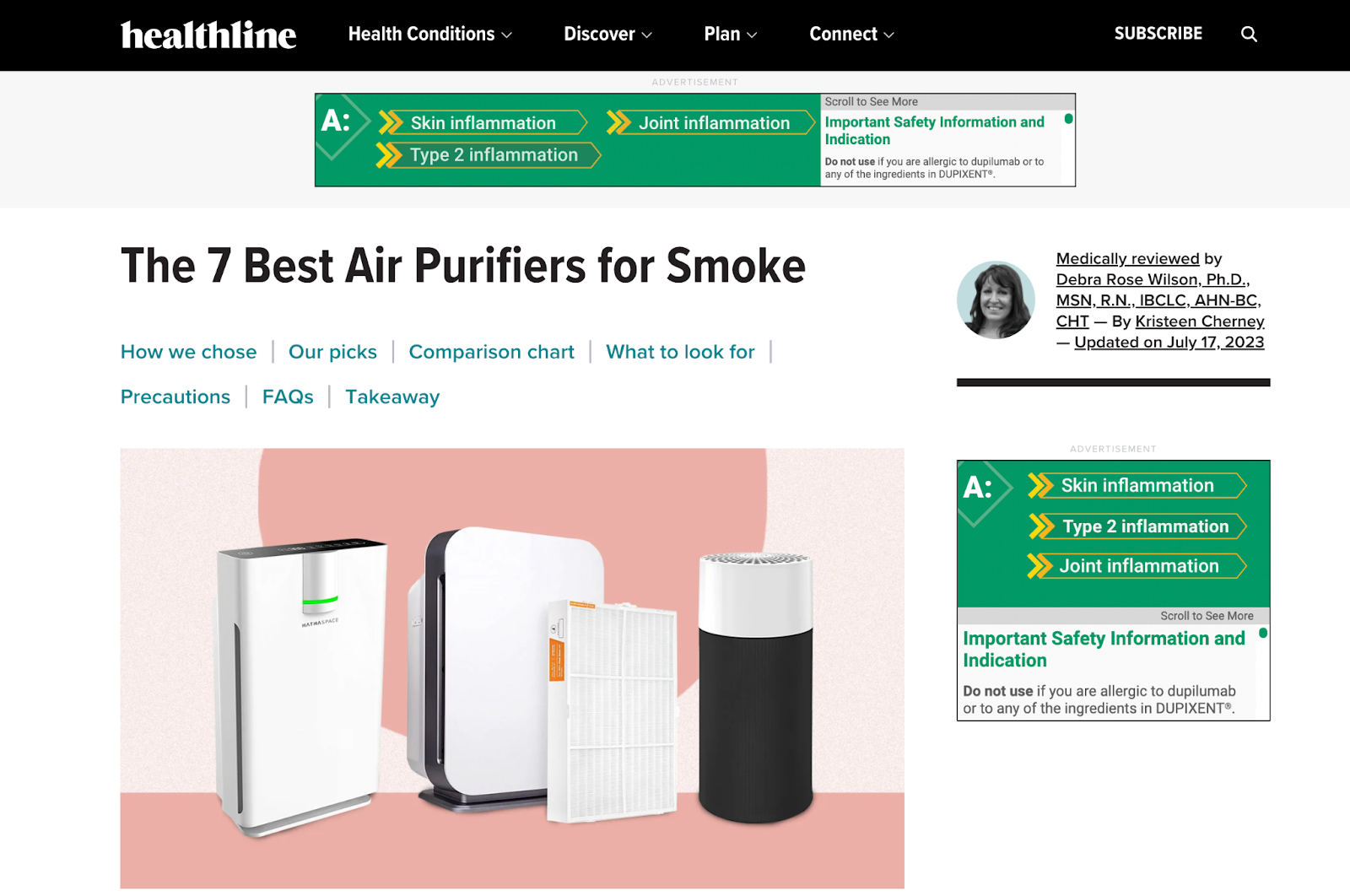
For example, content about labor rights will perform better when created with or by lawyers practicing labor law. Many medical information hubs such as Healthline include acknowledgment that a particular content piece was reviewed by a practicing medical doctor. Healthline has gone so far as to create biography pages for each reviewing doctor, increasing their perceived expertise as reviewers.
Authoritativeness involves the recognition one has in a specific field or topic. It's about establishing oneself or a website as a reliable source of information on the subject. This can be determined by the quality of inbound links, mentions from reputable sources, and citations.
Opportunities to prove Authoritativeness:
Trustworthiness, as the name suggests, concerns the trust users place in a website. Factors contributing to this include the site's security, transparency about its ownership or affiliation, the accuracy of the content, and having credible backlinks.
Google says that Trustworthiness is the “most important member of the E-E-A-T family…because untrustworthy pages have low E-E-A-T no matter how Experienced, Expert, or Authoritative they may seem.”
Historically, E-A-T has been the foundational concept that SEO professionals refer to. "Experience" was added in the December 2022 Google Search Quality Guidelines update, available here.
With the addition of Experience, Google acknowledges that credible information can come from many sources, and that crowd-sourced or peer-to-peer information is often trusted over information coming through other channels. Word of mouth, even from strangers on social media or in a forum, is often more compelling than other content types.
From Google on the change:
“For example, if you're looking for information on how to correctly fill out your tax returns, that's probably a situation where you want to see content produced by an expert in the field of accounting. But if you're looking for reviews of a tax preparation software, you might be looking for a different kind of information—maybe it's a forum discussion from people who have experience with different services.
E-E-A-T — or "Double-E-A-T," if you prefer, is now part of the updated search rater guidelines we've just released. You'll also see clearer guidance throughout the guidelines underscoring the importance of content created to be original and helpful for people, and explaining that helpful information can come in a variety of different formats and from a range of sources.”
Google’s mission is “to organize the world's information and make it universally accessible and useful.” No mention here of websites or pages. SEO focuses on understanding what information is useful and how to create that information in an accessible manner so that Google will rank it.
E-E-A-T is a crucial guide for SEO standards.
Websites with content that exhibit high E-E-A-T values are likely to be trusted by users. By ensuring that the content comes from experts and is authoritative and trustworthy, search engines can be more confident in offering it to users. When users consistently find high-value content, their trust in the search engine grows, leading to more frequent usage.
E-E-A-T also provides a filter for misinformation. Search engines directing users to websites that adhere to E-E-A-T standards reduce the risk of spreading false or misleading content, especially crucial for YMYL (Your Money or Your Life) topics.
Additionally, websites that adhere to E-E-A-T guidelines tend to perform better in search results over time. As search algorithms evolve, they're becoming better at evaluating the depth of expertise, authoritativeness, trustworthiness, and overall user experience. Investing in these areas can ensure sustained online visibility and growth.
By emphasizing E-E-A-T, search engines indirectly push content creators and webmasters to produce better quality content and improve their sites. This results in an overall elevation of standards across the web, benefitting users and businesses alike.
E-E-A-T optimization is more than just following guidelines; it's about embedding credibility and user-centricity into every facet of your online presence. Here are some best practices to ensure your SEO efforts align with E-E-A-T principles:
By embedding these best practices into your SEO strategy, you not only elevate your E-E-A-T scores but also offer greater value to your users, leading to increased loyalty, higher engagement, and better conversion rates.
As SEO practices mature, the importance of E-E-A-T is becoming increasingly evident. Here’s a look at how E-E-A-T could shape the future of SEO and what it means for businesses and content creators.
While keywords will always have a role in SEO, the emphasis is shifting toward comprehensive, topic-centric content. Search engines will reward content that offers holistic coverage of a topic, resonating with the principles of expertise and authoritativeness.
As search engines employ advanced machine learning techniques, they’ll become more adept at assessing the depth of content and the credibility of sources, further embedding E-E-A-T metrics into ranking algorithms.
Voice-activated assistants like Alexa, Siri, and Google Assistant look for authoritative and concise answers to their users’ queries. Websites optimized for E-E-A-T are more likely to be sourced for voice search responses due to their perceived credibility.
Beyond backlinks, search engines might begin to place more weight on "trust signals" like third-party accreditations, endorsements from industry experts, or certifications from recognized bodies.
In essence, the future of SEO is set to be more user-centric. It's no longer just about getting visitors to a page; it's about offering them valuable, trustworthy content in a format they prefer and an environment they find engaging. Brands and webmasters should view E-E-A-T not as a set of guidelines but as a philosophy for online engagement.
YMYL stands for "Your Money or Your Life." These are pages or sites that could potentially impact a person's future happiness, health, financial stability, or safety. Given the significant implications of the content on these sites, search engines, especially Google, evaluate their E-E-A-T more stringently. Let’s explore how E-E-A-T is appraised for YMYL sites:
Any advice, data, or information related to health should come from authoritative sources with appropriate credentials. Google expects medical content to be written or reviewed by healthcare professionals. For example, an article on the symptoms and treatments of a medical condition would need to showcase its expertise, perhaps with the credentials of the author, references to scientific studies, or links to authoritative medical institutions.
Websites offering financial advice, discussing investment strategies, or providing banking services need a high degree of trustworthiness. Such sites should clearly show their regulatory compliance, provide disclaimers where appropriate, and highlight the expertise of their content creators or service providers.
Similar to medical and financial information, legal advice or content needs to come from authoritative sources. An article discussing legal procedures, rights, or advice should ideally be penned by someone with a legal background or reviewed by a qualified professional.
Content that could influence significant life decisions, like buying a house, choosing a college, or making career moves, should exhibit a high degree of authoritativeness and trustworthiness. Expert opinions, comprehensive research, and real-life testimonials can bolster E-E-A-T values in such cases.
Websites that offer advice on safety, such as those discussing child-proofing homes, safety protocols in certain situations, or self-defense techniques, must ensure their content is accurate, up-to-date, and not misleading. The implications of false information can be life-threatening.
It's crucial to understand that for YMYL sites, the stakes are higher. The potential ramifications of misleading or false information can be serious, so search engines will naturally hold such sites to higher E-E-A-T standards.
E-E-A-T (Experience, Expertise, Authoritativeness, and Trustworthiness) is a framework for online content and SEO. Embracing these principles is essential for credibility, user trust, and sustained online impact. Whether you're a content creator, website owner, or marketer, prioritizing E-E-A-T guidelines is key to promoting a more reliable internet experience for users worldwide.
E-E-A-T stands for Experience, Expertise, Authoritativeness, and Trustworthiness. It represents a set of criteria used by search engines, particularly Google, to evaluate the quality of content and its suitability for users.
The addition of "Experience" emphasizes a preference for content written by individuals with relevant experience for the topic.
While Google hasn’t labeled E-E-A-T as a direct ranking factor, it heavily influences a site's quality rating. Google’s guidelines indicate that high-quality content should exhibit high levels of expertise, authoritativeness, and trustworthiness, making E-E-A-T crucial for SEO success.
Expertise can be showcased by presenting in-depth, well-researched content written by knowledgeable authors. Displaying author credentials, qualifications, and affiliations can also emphasize expertise.
While closely related, authoritativeness refers to the recognition and credibility of the content or website within its niche or industry. Trustworthiness pertains to the credibility and reliability of the content and whether users can trust the information presented.
Yes, E-E-A-T is particularly vital for YMYL (Your Money or Your Life) websites, which cover topics related to health, finance, safety, and significant life decisions. Misinformation in these sectors can have serious repercussions on users' lives.
Regular content audits are recommended. Depending on the nature of your industry, reviews can be quarterly, bi-annually, or annually. For rapidly evolving sectors like healthcare or finance, more frequent reviews might be necessary.
Absolutely. Positive user reviews and testimonials can significantly boost the trustworthiness aspect of E-E-A-T. They provide real-world proof of the claims or services your content or website offers.
No. While it's often discussed in the context of written content, E-E-A-T is equally applicable to other formats, including videos, podcasts, infographics, and more. It's about the quality and credibility of information, regardless of the medium.
Staying engaged with official updates from search engines, particularly Google’s Webmaster Central Blog, and participating in reputable SEO forums or platforms can help you stay abreast of any changes in E-E-A-T or other SEO best practices.
Page speed refers to the time it takes for a web page to load and become fully interactive. This aspect of website performance is not just about providing quick access to information; it's a critical component that shapes the way users engage with the website.
Google's introduction of Core Web Vitals has further accentuated the importance of page speed. These vitals are a set of specific factors that Google considers important in a webpage's overall user experience. Core Web Vitals encompass aspects like Largest Contentful Paint (LCP), which measures loading performance; First Input Delay (FID), which gauges interactivity; and Cumulative Layout Shift (CLS), which assesses visual stability. Together, these metrics offer a comprehensive view of a page's performance, highlighting areas that need improvement to enhance the user experience.
A website with a fast page speed ensures that users can access content quickly, reducing bounce rates and increasing the likelihood of user engagement and conversion. In contrast, slow-loading pages can frustrate users, leading to higher bounce rates and potentially harming the website's search engine ranking. Google has made it clear that page speed is a ranking factor, meaning that faster websites have a better chance of ranking higher in search results.
This connection between page speed, user experience, and SEO underscores the necessity for marketers to prioritize optimizing page speed.
Testing and analyzing page speed is a critical step in identifying areas for improvement and implementing strategies to enhance website performance. Understanding the current performance of your web pages is essential to make informed decisions and prioritize optimization efforts.
There are numerous tools available for testing page speed, with Google's PageSpeed Insights being one of the most prominent. This tool provides a comprehensive analysis of a page's content and offers suggestions for improvement. It scores pages on a scale from 0 to 100, with higher scores indicating better performance. PageSpeed Insights evaluates both mobile and desktop versions of a page, recognizing the increasing importance of mobile browsing.
Another effective tool is GTmetrix, which not only measures page speed but also provides detailed reports on various performance metrics. GTmetrix analyzes the page load time, the number of requests made, and the total page size, offering a deeper insight into what might be slowing down your page.
When analyzing the results from these tools, it's crucial to focus on key metrics like load time, time to first byte (TTFB), and the number of HTTP requests. Load time is the total time taken for a page to display fully, while TTFB is the time it takes for the first piece of data to be received after a request is made. A lower TTFB generally indicates a more responsive server. The number of HTTP requests indicates how many separate resources (like images, scripts, and CSS files) are being loaded, with fewer requests typically leading to faster load times.
Understanding the elements that influence page speed is crucial for effective optimization. Several key factors play a significant role in how quickly a page loads, and addressing these can lead to substantial improvements in website performance.
Hosting and Server Performance
The foundation of any fast-loading website is robust and efficient hosting. The server's response time can dramatically impact page speed. Shared hosting, while cost-effective, might slow down a website if the server is overloaded with requests. Dedicated or cloud hosting can offer faster and more reliable performance.
Large File Sizes
High-resolution images, videos, and bulky code can significantly slow down a page. Optimizing these files by compressing and resizing them can reduce load times without compromising on quality.
Unoptimized Code
Bulky code with unnecessary characters, spaces, and comments can increase page size. Minifying CSS, JavaScript, and HTML can streamline the code and improve page load times.
Excessive HTTP Requests
Each piece of your webpage (images, scripts, and stylesheets) requires an HTTP request to load. More requests generally mean slower pages. Reducing the number of elements on your page, using CSS sprites, and combining files can reduce these requests.
Lack of Caching Techniques
Caching stores copies of files so that they can be delivered faster to users on subsequent visits. Implementing caching can significantly improve page speed for returning visitors.
Too Many Ads
While advertisements are a revenue source for many websites, too many ads can slow down your page speed and create a negative user experience.
Embedded Media from External Sources
Media like videos and infographics hosted on external sites can slow down page load times. Hosting these files on your own server where possible can improve performance.
Addressing these key factors is a step towards ensuring your website not only attracts visitors but also provides them with a fast and efficient user experience.
To enhance the performance of your website, implementing practical strategies for optimizing page speed is essential. Here are several effective methods to consider:
By implementing these tips, you can significantly improve the speed of your website, enhancing user experience, and potentially boosting your search engine rankings.
Page speed directly affects user experience, engagement, conversions, and search engine rankings. By prioritizing and continually improving page speed, businesses and marketers can significantly enhance the performance and visibility of their websites.
The journey to a faster website involves understanding the factors that impact speed, implementing practical optimization strategies, and consistently monitoring and adjusting to maintain peak performance. Utilizing the resources and tools available, and learning from experts and case studies, can provide ongoing support in this endeavor.
Page speed refers to the time it takes for a webpage to load and become fully interactive. It's crucial because it affects user experience, SEO rankings, and conversion rates. Faster pages tend to engage users better and are favored by search engines.
Google uses page speed as a ranking factor, meaning faster sites have a better chance of ranking higher. For users, a faster site reduces bounce rates and increases engagement and satisfaction.
Core Web Vitals are a set of metrics by Google that measure the health of a website in terms of user experience. They include loading performance, interactivity, and visual stability, all of which are influenced by page speed.
Tools like Google PageSpeed Insights, GTmetrix, and WebPageTest can help test your site’s speed. They provide insights into how fast your page loads and offer suggestions for improvement.
Slow page speed can be due to large file sizes, unoptimized images, excessive HTTP requests, poor hosting, and unoptimized code, among others.
Minimize HTTP requests, optimize images and media, implement caching, and minify and compress code. Choosing the right hosting solution is also crucial.
Regular monitoring is key. Monthly checks are a good practice, but more frequent monitoring may be necessary for high-traffic sites or those undergoing frequent updates.
Yes, page speed can vary between desktop and mobile devices due to differences in hardware, network conditions, and how the site is built for each platform.
Absolutely. Faster sites are likely to rank higher in search results, leading to increased visibility and potentially more organic traffic.
Online platforms like Moz, Search Engine Journal, and Smashing Magazine offer articles, tutorials, and case studies. Tools like PageSpeed Insights and WP Rocket also provide valuable insights and optimization capabilities.
Schema markup is an important SEO tool for achieving optimal indexability by Google. At its core, schema markup is a form of microdata. When integrated into a website, it creates an enhanced description (commonly known as a rich snippet), which can appear in search results. These snippets are not just visually appealing but also informative, offering a snapshot of what users can expect on the webpage.
For example, schema markup can help Google deliver a product’s pricing, a business’ hours of operations, starred reviews of a product or service—all displayed on the Search Engine Results Page (SERP). This microdata goes beyond the typical meta tags. It helps search engines understand the content of your pages more effectively. This understanding is crucial, as it allows search engines to provide more relevant results to users.
While the concept of schema markup might seem technical, its essence is straightforward: it's about providing context to webpage content. Think of it as a translator that helps search engines comprehend the nuances of your content, making it easier for them to showcase your pages accurately in search results.
Schema markup bridges the gap between website content and search engine comprehension. By implementing schema markup, websites provide search engines with context, clarity, and specificity about their content, which can lead to several tangible benefits.
The direct impact of schema markup on SEO is multifaceted. While it's not a direct ranking factor, its benefits contribute significantly to SEO. Rich snippets can lead to higher CTRs, which indirectly impact search rankings. Furthermore, by providing search engines with detailed insights into your content, schema markup enhances content indexing and relevance in search results.
The real power of schema markup in SEO lies in its ability to communicate with search engines more effectively. It's about making your content not just visible, but also understood and relevant. This understanding is a crucial element in aligning your content with the right audience and queries, thereby strengthening your overall SEO strategy.
Google has defined 35 types of structured data that it will recognize and support in its algorithm. It also provides guidelines for how these types of results this data could yield as well as support for marking it up. Clearly, all 35 of these data types will not apply to every website, however, SEOs will be rewarded by proactively looking for ways to make it easier for Google to understand their website’s content. Here are Google’s supported structured data types:
Implementing schema markup is a strategic process that involves selecting the right types of schema for your content and integrating them into your website's HTML. Let's explore how to navigate this process effectively.
Crafting schema markup requires familiarity with the Schema.org vocabulary, a shared collection of schemas that webmasters can use to mark up their pages in ways recognized by major search engines. The first step in this process is identifying the schema type that aligns best with the specific content of your web page.
Once the appropriate schema type is determined, the next phase involves choosing the format for implementing the markup. There are three primary formats to consider:
Each of these formats has its own merits, and the choice largely depends on the specific needs of your website and your comfort level with implementing these types of codes. Familiarizing yourself with the documentation and tutorials available for each format is crucial in effectively writing and implementing schema markup.
Configuring schema markup can be intimidating and would usually require the help of dev teams. However, Google’s Data Highlighter tool (found in Search Console) can help SEOs configure portions of the schema markup without much of the hassle. SEOs can simply highlight aspects of their website and select the schema markup they would like to apply. While this isn’t the most scalable option, it’s the fastest-to-launch option.
Once you have implemented schema markup, it’s crucial to test and verify its correctness and effectiveness.
Implementing schema markup is an ongoing process that requires attention to detail and regular updates. As search engines evolve and introduce new features, keeping your schema markup up to date becomes essential in maintaining and improving your search engine visibility.
To illustrate the power and versatility of schema markup, let's delve into use cases that showcase its impact on enhancing search engine visibility and user experience.
These case studies demonstrate the diverse applications and benefits of schema markup across various industries. By providing more detailed and structured information to search engines, these businesses were able to enhance their search presence, engage better with their audience, and achieve specific business objectives.
Schema markup is a powerful tool in the SEO arsenal, offering a unique opportunity to communicate with search engines in a language they understand. By adopting and effectively implementing schema markup, businesses can significantly improve their online visibility and user experience.
Schema markup goes beyond basic optimization, allowing websites to communicate more effectively with search engines. By accurately depicting web content, schema markup not only improves search result rankings but also ensures the right audience finds the right information at the right time. The diverse case studies across industries underscore its significance in driving targeted traffic and improving user experience.
Schema markup is a code that you put on your website to help search engines return more informative results for users. It enhances your search listings, making them more visually appealing and informative, which can lead to higher click-through rates and better user engagement.
While schema markup itself is not a direct ranking factor, it indirectly influences SEO. It can lead to rich snippets in search results, which may improve click-through rates and user engagement, factors that search engines consider in their ranking algorithms.
Schema markup provides users with a snapshot of your webpage’s content directly in search results, helping them understand the relevance of your page to their query. This can lead to a better user experience as users are more likely to find the information they need quickly.
Almost any type of content can benefit from schema markup, including articles, local businesses, events, products, recipes, and FAQs. The key is to choose the type of schema that best represents the content of your webpage.
Select a schema type that closely matches the content and purpose of your page. For instance, use the Product schema for product pages or Event schema for event listings. Refer to Schema.org for a comprehensive list of available schemas.
Yes, schema markup can be added to any website. It's a matter of inserting the appropriate code into your site's HTML. Many content management systems and website builders also offer tools or plugins to simplify this process.
While having some HTML knowledge is beneficial, it’s not strictly necessary. There are tools and plugins available that can help non-technical users implement schema markup. Additionally, JSON-LD, the recommended format for schema markup, is relatively straightforward to use.
A Search Engine Results Page (SERP) is the display of responses provided by search engines like Google, Bing, Yahoo, and DuckDuckGo in reply to a user's query. It's the digital ecosystem where visibility is either won or lost. When a user enters a search term, the search engine processes this request, and the SERP presents the findings. This process appears simple, but the underlying mechanics are complex and dynamic.
SERPs are not just a list of links; they are the product of advanced algorithms designed to understand and align with user intent. The composition of a SERP can vary greatly depending on the query. It may include a blend of paid advertisements, organic listings, featured snippets, knowledge panels, and other search features. These elements are tailored to provide the most relevant and useful information based on the search query.
SERPs can be categorized into various types, each with its own unique layout and content mix, tailored to the intent behind the search query. Understanding these types is crucial for marketers aiming to optimize their online presence effectively.
Each type of SERP presents unique opportunities and challenges for SEOs. By understanding the nuances of different SERP types, marketers can better tailor their content and SEO strategies to target specific kinds of searches effectively.
Dominating a Search Engine Results Page (SERP) is akin to having a prime-time advertising slot. It's about being the first and most impactful brand a user sees when they search for relevant keywords. The advantages of achieving this dominant position are substantial.
However, achieving and maintaining this position requires a deep understanding of SEO strategies and continuous adaptation to the ever-evolving search engine algorithms.
Improving your website's ranking on a Search Engine Results Page (SERP) is a strategic endeavor that involves various techniques and best practices. Here are some effective strategies:
Implementing these strategies requires a consistent and adaptive approach, as search engine algorithms and user behaviors are constantly evolving.
Navigational queries are search requests where the user's intent is to locate a specific website or page. For example, someone typing "Facebook login" or "97th Floor blog" into a search engine is likely looking for a direct path to these specific sites. In such cases, the searcher already knows the destination and uses the search engine as a navigation tool.
For businesses, appearing at the top for navigational queries related to their brand is crucial. It's a sign that your brand has strong recognition, and it makes it easier for your audience to find you. SEO efforts for navigational queries typically focus on ensuring that the brand's official website ranks highest to prevent losing traffic to third-party sites or competitors.
Informational queries are driven by a desire for knowledge or information. These queries can range from broad topics like "how to tie a tie" to more specific questions like "the latest digital marketing trends." The user's goal is not necessarily to make a purchase but to find information, learn something new, or satisfy their curiosity.
(This article is an example of a result you may find from an informational query.)
For marketers, ranking well for informational queries is a chance to establish authority and credibility in their field. By providing valuable, accurate, and comprehensive content that addresses these queries, brands can build trust with potential customers, leading to longer-term relationships and future conversions.
Transactional queries indicate the user's intent to complete a transaction, like "buy running shoes online" or "best deals on laptops." These queries show a readiness to make a purchase or perform another specific transaction-related action, such as signing up for a service.
Optimizing for transactional queries means ensuring that your product or service pages are not only visible but also appealing and user-friendly. This involves clear product descriptions, competitive pricing, and an easy checkout process. Excelling in transactional queries can directly impact a business's bottom line by driving sales.
Each type of query requires a different SEO approach to meet the users' needs and intentions effectively.
A SERP is a blend of paid advertisements and organic listings. Understanding the differences and the right balance between them is key to a successful online presence.
Paid Ads appear at the top of the SERP, marked with an 'Ad' label. They are the result of Pay-Per-Click (PPC) advertising campaigns, such as Google Ads. Paid ads offer immediate visibility and are particularly effective for transactional queries. The major advantage is the control it offers in terms of positioning, targeting, and budget. However, they require ongoing investment, and the traffic typically diminishes once the campaign ends.
Organic Listings are the non-paid results that appear on SERPs. They are ranked according to their relevance to the search query and the website's authority. Achieving a high ranking in organic listings is more challenging and time-consuming, involving comprehensive SEO strategies. However, the benefits are long-lasting, and users often view organic listings as more credible and trustworthy than paid ads.
In addition to paid ads and organic listings, SERPs include various features that enhance user experience and provide quick, relevant information. Some common SERP features are:
Organic click-through rates (CTRs) on Search Engine Results Pages (SERPs) have experienced a notable decline in recent years, primarily attributed to Google's incorporation of various SERP features. Traditionally, organic results were the primary focus for users seeking information, but the introduction of features such as featured snippets, knowledge panels, and local packs has altered user behavior. These additions aim to provide users with quick, concise answers directly on the SERP, minimizing the need to click through to individual websites. As a result, the organic CTR has dwindled, as users find the information they need without navigating to external sites.
Furthermore, the introduction of knowledge panels and other rich snippets has further diversified the SERPe. These features offer users additional information beyond traditional organic listings, such as detailed summaries, images, and ratings. While this enhances the overall user experience, it comes at the expense of organic CTR, as users can extract valuable details directly from the SERP without entering individual websites. As Google continues to refine and expand its SERP features, SEOs and marketing leadership at large must adapt their strategies to remain visible and competitive.
SERP analysis is a critical aspect of SEO strategy, and tools like SEMRush and Ahrefs play a pivotal role in this process. These platforms provide comprehensive insights into SERPs, enabling marketers to understand their own and their competitors' online presence—offering a range of functionalities for SERP analysis:
Other tools like Moz, Stat, and Google Search Console also offer various features for SERP analysis. Each tool has its unique strengths, and often, marketers use a combination of these tools for a comprehensive analysis.
Understanding the intricacies of SERPs—from different types of queries and SERP features to strategies for improving ranking and tools for analysis—is fundamental for any marketer aiming to achieve online visibility and success.
Dominating SERPs offers unparalleled advantages in terms of visibility, credibility, and traffic. This requires a multi-faceted approach involving keyword optimization, quality content, technical SEO, and a deep understanding of user behavior and search engine algorithms.
Moreover, the evolving landscape of user privacy and data protection adds another layer of complexity. Implementing user-centric privacy measures like a Privacy Preference Center and effective cookie management is not only a legal necessity but also a crucial aspect of building trust and credibility with your audience.
In essence, mastering SERPs is about blending technical SEO expertise with a keen understanding of user behavior and privacy concerns. It's a continuous process of learning, adapting, and innovating to stay ahead in the ever-changing digital marketing landscape.
The ranking on a SERP is influenced by various factors including website relevance to search queries, quality and originality of content, user engagement, mobile-friendliness, page loading speed, and the number and quality of backlinks.
Search engine algorithms are constantly evolving. Major search engines like Google can update their algorithms several times a year, with smaller updates happening more frequently.
No, paid ads do not directly affect organic SERP rankings. They operate independently, though a comprehensive strategy involving both can maximize overall visibility.
Long-tail keywords are longer and more specific keyword phrases. They are important because they often have lower competition and can attract more qualified traffic, as they align closely with specific user intents.
Mobile optimization is crucial as a significant portion of searches are conducted on mobile devices. Search engines favor mobile-friendly websites in their rankings.
Local SEO optimizes your online presence for local searches. It's crucial for businesses targeting local customers, as it enhances visibility in local search results and local packs on SERPs.
Effectiveness can be measured using various metrics like search rankings, organic traffic, click-through rates, conversion rates, and user engagement levels.
Voice search tends to use more natural, conversational queries. This impacts SERPs by prioritizing content that aligns with these conversational tones and often answers specific questions.
To appear in featured snippets, structure your content in a clear, concise manner, and directly address common questions related to your topic using bullet points, lists, or straightforward explanations.
Yes, backlinks are a crucial factor in SERP optimization. They signal to search engines that other websites consider your content valuable and authoritative.
Unlike traditional leads, which are often defined by demographic information or engagement with marketing materials, Product-Qualified Leads (PQLs) are characterized by their interactions with a SaaS product. This type of lead has not only shown interest but has engaged with the product in a way that indicates a higher likelihood of progressing to a sale.
Understanding PQLs begins with recognizing their unique position in the SaaS sales funnel. They are individuals or organizations that have used a product, usually through a free version, trial, or demo and have demonstrated behaviors that signal a readiness to upgrade to a paid version. These behaviors can vary depending on the nature of the product and the business model but often include factors like frequency of use, feature utilization, and engagement level.
The concept of PQLs emerges from the growing trend of product-led growth strategies, where the product itself becomes the primary driver of customer acquisition, expansion, and retention. In this context, the product is not just a value proposition; it's an active participant in the marketing and sales process.
Product-Led Growth (PLG) is an increasingly popular business strategy where the product itself is the primary driver of customer acquisition, retention, and expansion. This approach is especially relevant in the context of software as a service (SaaS) and digital products. Understanding the importance of PLG is crucial in realizing the full potential of Product-Qualified Leads (PQLs).
Key Aspects of Product-Led Growth:
PQLs serve as a barometer for the success of your PLG strategy. A steady stream of high-quality PQLs indicates that your product is resonating with users and that your growth strategies are on the right track.
The shift towards recognizing and leveraging Product-Qualified Leads (PQLs) offers several tangible benefits that can significantly impact business growth and success. These advantages underscore why an increasing number of companies are integrating PQLs into their marketing and sales strategies.
In essence, PQLs offer a more targeted, efficient, and customer-centric approach to sales and marketing, one that aligns with the evolving dynamics of buyer behavior in the digital age.
Understanding the nuances between different types of leads—Marketing Qualified Leads (MQLs), Product-Qualified Leads (PQLs), and Sales Qualified Leads (SQLs)—is crucial for implementing effective strategies. Each type of lead represents a different stage in the customer journey and requires a distinct approach.
Marketing Qualified Leads (MQLs)
MQLs are individuals or organizations that have engaged with a company's marketing efforts but haven't yet interacted with the product itself. This engagement could be in the form of downloading a whitepaper, subscribing to a newsletter, or attending a webinar. MQLs are typically at the top of the sales funnel, showing interest but not necessarily a readiness to buy.
Key Characteristics:
Product-Qualified Leads (PQLs)
PQLs, as previously defined, are prospects who have used the product (often through a free trial or a demo) and have shown behaviors indicating a potential to purchase. This direct interaction with the product places them further down the sales funnel compared to MQLs.
Key Characteristics:
Sales Qualified Leads (SQLs)
SQLs are leads that the sales team has qualified as ready for direct sales engagement. They have passed the initial stages of interest (MQL) and engagement (PQL) and are now considered potential customers with a higher likelihood of making a purchase.
Key Characteristics:
Understanding these distinctions is pivotal for tailoring the approach to each type of lead. While MQLs might require nurturing through marketing content, PQLs benefit from more direct engagement that highlights product features and benefits. SQLs, on the other hand, are ready for deeper sales conversations and negotiations.
Identifying Product-Qualified Leads (PQLs) involves recognizing which users or trial participants are showing behaviors that indicate a high likelihood of converting into paying customers. Here are some effective strategies and methods to identify PQLs in your business:
1. Monitor User Engagement and Behavior
The core of identifying PQLs lies in understanding how users interact with your product. Track metrics such as:
2. Set Behavioral Thresholds
Define specific criteria or thresholds that signal a high likelihood of purchase. This could include:
3. Utilize Lead Scoring Models
Implement a lead scoring system where points are assigned to various user behaviors. A higher score would indicate a higher likelihood of becoming a paying customer. This system should be tailored to reflect the unique aspects of your product and business model.
4. Analyze User Feedback and Interactions
Pay attention to user feedback, whether it’s through direct communication, support queries, or social media interactions. Positive feedback or inquiries about advanced features can be strong indicators of a PQL.
5. Collaborate with Customer Success Teams
Customer success teams often have direct insight into customer experiences and can identify potential PQLs based on their interactions and feedback.
6. Leverage Predictive Analytics
Use predictive analytics tools to analyze user data and predict which users are most likely to convert. These tools can identify patterns and trends that might not be immediately obvious.
7. Align with Marketing Efforts
Coordinate with marketing to track the journey of leads from initial engagement (as MQLs) to product interaction. This alignment ensures a seamless transition from marketing to sales.
Identifying PQLs accurately and efficiently allows for more targeted and effective sales efforts, ensuring that resources are focused on the users most likely to convert into valuable customers.
Here are key steps and considerations for implementing PQLs effectively in your organization:
1. Define Clear Criteria for PQLs
List clear, specific criteria for what constitutes a PQL in the context of your product and market.
2. Align Sales and Marketing Teams
Ensure that your sales and marketing teams are aligned in their understanding and approach to PQLs. Both teams should have a shared definition and recognize the importance of nurturing PQLs through the sales funnel.
3. Train Your Teams
Provide training to your sales and customer success teams on identifying and engaging with PQLs. This includes understanding user behavior, interpreting analytics, and tailoring communication to meet the needs of PQLs.
4. Utilize Technology and Tools
Leverage CRM systems, analytics tools, and other technology solutions to track and manage PQLs effectively. Automation tools can also be useful in nurturing leads through personalized communications and follow-ups.
5. Develop Tailored Engagement Strategies
Create specific engagement strategies for PQLs, focusing on showcasing the value of your product and addressing their unique needs and concerns. This might involve personalized demos, targeted follow-up emails, or specialized content.
6. Monitor and Refine the Process
Regularly review and analyze the performance of your PQL strategy. Look for areas of improvement and be open to refining your approach based on feedback and results.
7. Foster a Product-Led Culture
Encourage a company culture that emphasizes the importance of product-led growth and the role of PQLs. This cultural shift ensures that everyone in the organization understands and supports the focus on product engagement as a key driver of sales.
Effectively measuring and tracking the performance of Product-Qualified Leads (PQLs) is vital for understanding their impact on your business and for refining your strategies. Here are key metrics that you should consider tracking:
1. Conversion Rate
This is the percentage of PQLs that convert into paying customers. A high conversion rate indicates that your criteria for identifying PQLs are well-aligned with actual buying behavior.
2. Time to Conversion
Measure the time it takes for a PQL to become a paying customer. Shorter conversion times can indicate a high product value perception or effective sales processes.
3. Engagement Level
Track how engaged PQLs are with your product. Metrics like usage frequency, session duration, and feature adoption provide insights into how deeply PQLs are exploring your product.
4. Lead Volume
Monitor the volume of PQLs over time. This helps in understanding the effectiveness of your product-led growth strategies and in planning resource allocation.
5. Customer Lifetime Value (CLV)
Evaluate the CLV of customers who were initially PQLs. This metric helps in assessing the long-term value of focusing on PQLs.
6. Customer Acquisition Cost (CAC)
Calculate the cost of acquiring a paying customer from a PQL. A lower CAC in comparison to other lead types signifies a more cost-effective acquisition channel.
7. Retention Rates
Look at the retention rates of customers who were PQLs. High retention rates can indicate that PQLs are more likely to be satisfied with your product and remain loyal.
8. Feedback and Satisfaction Scores
Gather feedback from PQLs, either through direct surveys or indirect measures like Net Promoter Score (NPS). This feedback can provide qualitative insights into the PQL experience.
Transforming Product-Qualified Leads (PQLs) into paying customers is a critical step in capitalizing on the potential value these leads offer. Here are some effective techniques to facilitate this conversion process:
1. Personalized Communication
Tailor your communications to address the specific needs and interests of each PQL. Use the insights gathered from their product usage to create personalized messages that resonate and demonstrate the value of upgrading.
2. Offer Targeted Incentives
Consider providing incentives that are tailored to the interests and behaviors of your PQLs. This could include discounts, extended trial periods, or access to premium features, encouraging them to make the transition to paying customers.
3. Streamlined Onboarding
Ensure that the transition from a PQL to a paying customer is as frictionless as possible. Simplify the purchasing process and provide clear, helpful guidance on getting the most out of the full version of your product.
4. Leverage Social Proof
Showcase testimonials, case studies, or reviews from satisfied customers, especially those who transitioned from PQLs to paying customers. Social proof can significantly influence decision-making and build trust.
5. Conduct Targeted Follow-ups
Implement a structured follow-up process with PQLs. Regular, targeted follow-ups keep your product top-of-mind and provide opportunities to address questions or concerns that may be preventing a purchase decision.
6. Collaborate with Customer Success Teams
Involve your customer success teams in the conversion process. Their insights into customer needs and preferences can be invaluable in tailoring your approach and ensuring customer satisfaction.
7. Offer Exceptional Customer Support
Provide proactive and responsive customer support to address any technical issues or questions PQLs might have. Excellent customer support can be a decisive factor in converting PQLs to paying customers.
8. Use Data-Driven Insights
Continuously analyze data on PQL behavior and feedback to refine your conversion strategies. Understanding what works and what doesn't allows for more effective targeting and messaging.
Navigating the intricacies of Product-Qualified Leads (PQLs) is a journey that intertwines product innovation, customer experience, and strategic marketing and sales approaches. The evolution towards a product-led growth model has highlighted the significance of PQLs in driving sustainable business growth and success.
By understanding and embracing the concept of PQLs, businesses can tap into a more efficient and effective way of identifying potential customers who are already engaged with their product. The strategies and methodologies discussed in this guide provide a roadmap for businesses to not only identify and nurture PQLs but also to seamlessly integrate them into their broader sales and marketing strategies.
A PQL is a potential customer who has not only shown interest in your product but has engaged with it to a degree that suggests a readiness to purchase. This engagement can be measured through their interactions during a trial period, demo, or free version of your product.
MQLs are leads identified based on their engagement with marketing efforts but haven't interacted with the product. SQLs are leads that the sales team has deemed ready for a sales approach. PQLs, on the other hand, are specifically identified through their interactions with the product itself.
PQLs are crucial because they have a higher likelihood of converting into paying customers, given their demonstrated interest and engagement with the product. This leads to more efficient sales processes and higher conversion rates.
Businesses can identify PQLs by monitoring user engagement with their product, setting behavioral thresholds, using lead-scoring models, analyzing user feedback, and leveraging predictive analytics.
To convert PQLs, businesses should use personalized communication, offer targeted incentives, streamline the onboarding process, leverage social proof, conduct targeted follow-ups, collaborate with customer success teams, offer exceptional support, and use data-driven insights.
Important metrics include conversion rate, time to conversion, engagement level, lead volume, customer lifetime value (CLV), customer acquisition cost (CAC), retention rates, and feedback/satisfaction scores.
In a PLG strategy, the product itself is the main driver of customer acquisition and retention. PQLs are a natural outcome of this approach, as they are leads that have engaged directly with the product.
Common mistakes include not having clear criteria for PQLs, misalignment between sales and marketing teams, inadequate tracking and analytics, and failure to personalize engagement strategies.
While PQL strategies are most effective in businesses with digital products, especially in the SaaS industry, the underlying principles of focusing on product engagement can be adapted to various business models.
Businesses should continuously analyze and adapt their strategies based on evolving customer behaviors and technological advancements. Staying agile and responsive to these changes is key to effectively leveraging PQLs in any market condition.
Net Promoter Score (NPS) is a metric used in customer experience programs to gauge the loyalty of a firm's customer relationships. It serves as an alternative to traditional customer satisfaction research and is commonly correlated with revenue growth.
The Net Promoter Score is calculated based on responses to a single question: "How likely is it that you would recommend our company/product/service to a friend or colleague?" Responses are rated on a 0 to 10 scale. Based on their rating, customers are categorized into one of three groups: Detractors, Passives, and Promoters.
By asking your customers this simple question, you can track these groups and get a clear measure of your company's performance through your customers' eyes. Customers' perceptions of your brand can have a significant impact on your business.
Net Promoter Score (NPS) is a pivotal tool in gauging customer loyalty and satisfaction. Here's why it's essential:
NPS isn't just a metric; it's a tool for improving customer experience and driving referral marketing:
Calculating the Net Promoter Score (NPS) is straightforward and involves four simple steps. Here's how you can determine your NPS:
Step 1: Collect Responses
Start by asking your customers the standard NPS question: "On a scale from 0 to 10, how likely are you to recommend our company/product/service to a friend or colleague?" Gather their responses, which should fall somewhere between 0 (not at all likely) to 10 (extremely likely).
Step 2: Categorize the Responses
Based on the scores, categorize your customers into three groups:
Step 3: Calculate the Percentages
Calculate the percentage of respondents that are Promoters and Detractors. To do this, divide the number of Promoters and Detractors by the total number of respondents and then multiply by 100.
Step 4: Subtract Detractors from Promoters
Subtract the percentage of Detractors from the percentage of Promoters. This is your NPS score.
The formula for NPS is:
NPS = ({% of Promoters}) - ({% of Detractors})
It's important to note that NPS is expressed as a number without a percentage sign. The final score can range from -100 (if every customer is a Detractor) to 100 (if every customer is a Promoter).
An example can illustrate this: Suppose you surveyed 100 customers and found 70 Promoters, 20 Passives, and 10 Detractors. Your NPS would be:
NPS = ({70%} - {10%}) = 60.
NPS provides a clear and simple metric that you can use to gauge and compare customer loyalty over time. It's a valuable tool for understanding your customers and improving your business strategy.
Interpreting the Net Promoter Score (NPS) involves more than just understanding the number itself; it's about grasping what the score implies about your customer base and business health. Here are key points to consider:
Understanding the characteristics and behaviors of Detractors, Passives, and Promoters can help in formulating strategies to improve your NPS:
Analyzing the reasons behind these categorizations and acting on them is essential for improving your overall NPS. Engaging with Detractors to resolve issues, delighting Passives to convert them into Promoters, and maintaining good relationships with Promoters to sustain their loyalty are key strategies derived from NPS interpretation.
To effectively gather Net Promoter Score (NPS) feedback, you'll need to choose the right methods that suit your audience and business context. Here are some popular and effective ways:
When implementing website and email surveys, consider the following to maximize response rates and the quality of feedback:
Running effective NPS surveys is about choosing the right channels, timing, and approach to engage your customers and gather meaningful insights.
Once you've collected Net Promoter Score (NPS) feedback, the next crucial step is to analyze and segment the data to gain actionable insights:
Continuous tracking of NPS over time is crucial for long-term success:
Closing the feedback loop involves taking action on the insights gained from NPS surveys:
In conclusion, the Net Promoter Score (NPS) is a powerful tool for measuring and understanding customer loyalty and satisfaction. It offers straightforward metrics that are easy to interpret and act upon. By effectively collecting, analyzing, and responding to NPS feedback, companies can develop a more customer-centric approach, leading to increased loyalty, positive word-of-mouth, and ultimately, sustainable business growth.
Embracing NPS is not just about tracking a score; it's about committing to a continuous process of learning from and engaging with customers. This commitment can transform the way businesses operate, leading to not only improved customer satisfaction but also to stronger, more resilient organizations.
NPS is a customer loyalty metric that measures how likely customers are to recommend your business to others. It's calculated based on responses to the question: "On a scale of 0-10, how likely are you to recommend our company/product/service to a friend or colleague?"
NPS is calculated by subtracting the percentage of Detractors (customers who score 0-6) from the percentage of Promoters (customers who score 9-10). Passives (scores 7-8) are not directly factored into the calculation.
A good NPS score varies by industry. Generally, a score above 0 is seen as good and above 50 is excellent, but it's important to benchmark against industry standards.
NPS helps identify customer loyalty trends and areas for improvement. By addressing issues that detractors face and enhancing aspects that promoters love, businesses can improve overall customer satisfaction and loyalty, driving growth.
The frequency depends on the business model and customer interaction rate. Some companies do it quarterly, others annually. The key is consistency in tracking changes over time.
Businesses should address detractors’ concerns, improve aspects that leave customers passive, and leverage the positivity of promoters. Closing the feedback loop by informing customers of changes made in response to their feedback is crucial.
While not a direct predictor, high NPS often correlates with business growth. Loyal, satisfied customers are likely to make repeat purchases and refer others.
NPS is a valuable metric, but it's most effective when used in conjunction with other customer satisfaction and performance metrics.
NPS benchmarks vary significantly across industries. What constitutes a good score in one industry may be average in another.
Improving NPS involves enhancing the overall customer experience, addressing specific issues raised by detractors, and building stronger relationships with customers.
At its core, marketing automation is the use of software to automate repetitive marketing tasks, such as emails, social media postings, and other website actions. This automation provides a streamlined, systematic approach to nurturing leads and maintaining customer relationships with minimal manual intervention.
The real power of marketing automation lies in its ability to personalize interactions with prospects and customers. By leveraging data insights, marketing automation tools can deliver targeted messages at optimal times, enhancing the relevance and impact of marketing efforts. Moreover, it's not just about efficiency; it’s about creating a more engaging, personalized experience for each user, which in turn fosters stronger customer connections.
Marketing automation excels in nurturing customer relationships. By automating targeted and personalized communications, businesses can continuously engage with their customers in a meaningful way. This consistent engagement helps in retaining customers and encourages brand loyalty.
Automating routine marketing tasks liberates employees from repetitive work, allowing them to focus on more strategic and creative aspects of marketing. This shift not only boosts productivity but also enhances job satisfaction and fosters a culture of innovation.
Through precise targeting and timely communications, marketing automation significantly improves the chances of converting prospects into customers. By delivering the right message at the right time, it increases the relevance and effectiveness of marketing efforts.
With a multitude of marketing channels and campaigns, organization can become a challenge. Marketing automation platforms offer a centralized hub for managing all marketing activities, ensuring that everything is organized and aligned with the overall marketing strategy.
Ultimately, the goal of marketing automation is not just to automate tasks but to drive and optimize revenue growth. By streamlining processes, personalizing customer interactions, and making data-driven decisions, businesses can achieve a better return on investment (ROI) from their marketing efforts.
The mechanism behind marketing automation is a blend of software, strategy, and the culture of your growth team. It starts with the collection and analysis of customer data. This data can come from various sources like website interactions, social media engagements, email responses, and more. The automation software then uses this data to segment customers based on their behavior and preferences.
Once segmentation is in place, the system triggers specific actions based on predefined criteria. For example, if a user visits a particular product page several times, the system might automatically send them a targeted email with more information about that product or a special discount offer. This is known as behavioral email marketing, a key component of marketing automation.
Another crucial aspect is lead scoring. Marketing automation tools assign scores to leads based on their engagement level and likelihood to convert. This helps sales teams prioritize leads, focusing their efforts on those most likely to become customers.
The software also enables the creation of a more personalized customer journey. By understanding the customer's position in the buying cycle, the system can deliver tailored content that addresses their specific needs and pain points, nudging them closer to making a purchase.
Furthermore, marketing automation integrates with other tools like CRM (Customer Relationship Management) systems, allowing for a seamless flow of information across different departments. This integration ensures that marketing efforts are aligned with the overall business objectives and that customer interactions are consistent across all.
One of the most common forms of marketing automation is email marketing. This involves automating the sending of emails to customers and prospects based on specific triggers or schedules. For example, welcome emails for new subscribers, birthday messages, or emails triggered by a customer’s behavior on your website.
Automating social media posts can save a significant amount of time. By scheduling posts in advance, businesses can maintain a consistent online presence without the need to manually post on each platform every day. This automation ensures that your social media strategy is executed efficiently and effectively.
Retargeting automation involves targeting users who have previously interacted with your brand but haven’t converted. By using cookies or similar technologies, marketing automation tools can help display targeted ads to these individuals, reminding them of the products or services they viewed and encouraging them to return.
This aspect of automation involves mapping out and automating the entire customer journey. From the first touchpoint to post-purchase follow-ups, every step is carefully crafted and automated to ensure a seamless and personalized customer experience.
Marketing automation tools often include features for A/B testing or split testing. This allows businesses to automatically test different versions of their marketing content to determine which one performs better. This data-driven approach is crucial for optimizing marketing strategies and improving conversion rates.
Each of these automation strategies serves to streamline your marketing efforts, making them more efficient and effective. By implementing these automation processes, businesses can expect to see improvements in customer engagement, conversion rates, and overall marketing performance.
In the realm of marketing automation, various tools and platforms stand out, each offering unique features and capabilities. Here's a brief overview of notable tools:
HubSpot is renowned for its comprehensive suite of inbound marketing tools. It offers a range of features including email marketing, social media scheduling, lead management, and analytics. HubSpot stands out for its user-friendly interface and deep integration capabilities, making it a favorite among marketers who seek an all-in-one solution.
Marketo, a part of Adobe Experience Cloud, specializes in providing automation solutions for email, consumer marketing, customer base marketing, and mobile marketing. Known for its scalability and robustness, Marketo is particularly suited for larger enterprises that need advanced marketing automation features.
Eloqua, now part of the Oracle Marketing Cloud, is a sophisticated marketing automation platform designed for B2B marketers. Known for its powerful lead management and advanced analytics capabilities, Eloqua enables marketers to create personalized and targeted campaigns. With a focus on driving engagement and nurturing leads through the sales funnel, Eloqua is a preferred choice for enterprises seeking a comprehensive solution for their marketing automation needs.
Klaviyo is a versatile marketing automation platform that excels in email marketing and customer segmentation. Geared towards e-commerce businesses, Klaviyo integrates seamlessly with various e-commerce platforms, enabling marketers to leverage customer data for highly targeted campaigns. The platform's strength lies in its ability to deliver personalized and data-driven marketing strategies, making it a top choice for businesses looking to optimize their email marketing efforts.
Salesforce Marketing Cloud Account Engagement, formerly named Pardot, is a part of the Salesforce ecosystem, offering a robust set of tools for B2B marketing automation. Tailored for account-based marketing strategies, this platform empowers marketers to engage and nurture key accounts through personalized campaigns. With features like account-based advertising, journey orchestration, and comprehensive analytics, Salesforce Marketing Cloud Account Engagement is well-suited for businesses aiming to deepen their relationships with high-value accounts and enhance overall customer experience. It is especially popular when companies already deploy Salesforce CRM.
Initially famous for email marketing, Mailchimp has expanded into a full marketing platform offering automation tools for small businesses. Its features include email campaigns, ad retargeting, and audience segmentation. Mailchimp's ease of use and affordability make it an excellent choice for small businesses and startups.
Each of these tools brings something unique to the table. The choice depends on the specific needs and size of your business, as well as the complexity of your marketing campaigns.
The first step in implementing marketing automation is to clearly define what you want to achieve. Whether it's increasing sales, improving customer engagement, or streamlining marketing processes, having clear objectives will guide your automation strategy.
Selecting the appropriate tool is crucial. Consider factors like the size of your business, your marketing goals, and your budget. Research and compare different marketing automation platforms to find the one that best suits your needs.
Ensure your team is well-equipped to use the marketing automation tool. Provide training sessions to familiarize them with the software’s features and capabilities. A well-trained team can maximize the potential of your automation efforts.
Finally, continually monitor and evaluate the performance of your marketing automation strategies. Use analytics to measure their effectiveness against your objectives. Regularly fine-tuning your approach will help optimize your results and ensure that your automation efforts are successful.
Getting started with marketing automation might seem daunting, but by following these steps, you can lay a strong foundation for successful implementation. This strategic approach will help in maximizing the benefits of marketing automation for your business.
Marketing automation is the use of software to automate marketing processes like email marketing, social media posting, and ad campaigns. Benefits include increased efficiency, improved customer engagement, higher conversion rates, and enhanced ability to measure the effectiveness of marketing campaigns.
Marketing automation allows for personalized and timely interactions with customers, enhancing their experience with your brand. By automating targeted communications, you can create a more engaging and relevant journey for your customers.
Yes, it plays a crucial role in lead generation and nurturing by automating the process of identifying potential leads, engaging them with relevant content, and moving them through the sales funnel effectively.
Key features include email automation, customer segmentation, lead scoring, analytics and reporting, CRM integration, social media management, and the ability to create and manage marketing campaigns.
Small businesses should start with clear objectives, choose a tool that fits their size and budget, focus on creating personalized content, and use automation to streamline repetitive tasks, freeing up time to focus on strategic activities.
Avoid sending generic messages, neglecting data analysis, underutilizing the features of your automation tool, and failing to align your automation strategy with your overall marketing goals.
Marketing automation platforms often integrate with CRM systems, analytics tools, content management systems, and social media platforms, enabling a seamless flow of data across various business functions.
Key metrics include conversion rates, click-through rates, open rates for emails, lead generation rates, customer engagement levels, and overall ROI of your marketing campaigns.
Automation tools analyze customer data to segment audiences and create personalized messages. This ensures that each customer receives content that is relevant to their interests and behaviors, enhancing the personalization of marketing efforts.
Future trends include the increased use of AI and machine learning for better predictive analytics, more sophisticated personalization, the integration of voice and conversational interfaces, and enhanced focus on privacy and data security in marketing automation strategies.
Unlike broad, generic keywords, long-tail keywords are longer, more specific phrases that visitors are more likely to use when they’re closer to a point of purchase or when they're using voice search. They're not just longer in terms of word count; they're more descriptive and targeted.
The essence of long-tail keywords lies in their specificity. For example, instead of a broad term like "shoes," a long-tail keyword would be "women's black running shoes size 8". This precision not only refines search results but also aligns closely with the searcher’s intent. As a result, long-tail keywords often exhibit lower search volumes but significantly higher conversion rates due to their targeted nature.
Incorporating long-tail keywords into a marketing strategy is crucial for several reasons. They represent a less competitive landscape. Since they're more specific, fewer websites compete for them, making it easier for a particular website to rank higher in search engine results pages (SERPs).
Moreover, long-tail keywords mirror how people naturally speak and search, especially with the rise of voice-activated assistants and conversational search queries. They help businesses to capture the essence of the users' queries more effectively. By focusing on these specific keywords, marketers can attract a more focused audience, leading to higher engagement, better conversion rates, and ultimately, enhanced customer satisfaction.
One of the most significant benefits of using long-tail keywords is the reduced competition they face in search engine rankings. Since these keywords are highly specific, fewer businesses target them, resulting in a less crowded space. This aspect is particularly beneficial for small to medium-sized businesses that may not have the resources to compete with larger companies for more generic, high-competition keywords.
Additionally, for paid search marketing campaigns, long-tail keywords often have lower cost-per-click (CPC) rates. This affordability makes them an attractive option for businesses looking to maximize their advertising budgets. By targeting these specific phrases, companies can achieve better ad placements at a fraction of the cost, enhancing their return on investment.
Long-tail keywords draw in traffic that is more targeted. Users who search using these detailed phrases are typically further along in their buying journey and have a clear intent.
For example, a user searching for "best price on 4K HDR smart TVs in Los Angeles" is likely more ready to purchase than someone simply searching for "TVs".
This specificity not only increases the relevance of the website traffic but also significantly boosts conversion rates. Visitors landing on a site through long-tail searches often find exactly what they're looking for, which makes them more likely to complete a purchase, sign up for a service, or perform any desired action.
For new or smaller websites, competing for high-volume keywords against established players can be daunting. Long-tail keywords often provide a more accessible entry point into search engine rankings. Due to their specific nature, these keywords face less competition, making it easier for these websites to rank higher in search results.
This ease of ranking is particularly important for niche businesses or those with unique product offerings. By focusing on long-tail keywords, they can effectively target their niche market and establish a strong online presence without the need for extensive resources.
Long-tail keywords offer a plethora of options for businesses to tailor their content and marketing strategies. With countless combinations and variations of phrases, companies can target a wide range of search queries related to their products or services. This diversity allows for a more comprehensive SEO strategy that can adapt to different customer needs and search behaviors.
Moreover, the diversity in long-tail keywords enables businesses to create content that addresses very specific queries or problems, establishing them as authorities in their field. This approach not only improves search engine rankings but also enhances the user experience by providing valuable and relevant information.
Finding the right long-tail keywords is a blend of art and science, requiring both creative thinking and analytical tools. Here are some effective methods:
In addition to the methods mentioned, several tools are specifically designed to help identify long-tail keywords:
Each of these tools and methods offers a unique approach to uncovering valuable long-tail keywords, essential for crafting a targeted and effective SEO strategy.
The effective use of long-tail keywords begins with understanding user search intent. It's crucial to recognize why a user might be searching with a specific long-tail phrase. This understanding can be categorized into four types of intents: informational, navigational, transactional, and commercial. By aligning your content with the user's intent, you can ensure that it resonates with their needs and interests.
Once the intent is understood, content optimization becomes key. This involves strategically placing long-tail keywords in your content to improve its relevance and visibility in search engine results. However, it's important to maintain a natural flow in the content; keyword stuffing, or the overuse of keywords, can harm readability and SEO performance.
Keyword placement is more than just sprinkling phrases throughout your content. It involves placing them in critical areas like titles, headings, the first paragraph, meta descriptions, and ALT text for images. This strategic placement helps search engines understand the primary focus of your content.
With the rise of voice search and conversational AI, optimizing for semantic search is also vital. This means creating content that not only contains the exact long-tail keyword but also covers related terms and phrases. Such a holistic approach ensures that your content aligns well with the conversational and natural language patterns used in voice searches.
Long-tail keywords thrive in content that is comprehensive and contextually rich. This means developing content that not only answers the specific query but also provides additional value and information surrounding the topic. By doing so, you establish your website as an authoritative source of information, which is favored by search engines.
Creating content that covers a topic in depth, with various long-tail keywords naturally incorporated, can also cater to a broader range of related search queries. This approach increases the likelihood of your content ranking for multiple long-tail phrases, drawing in a larger, yet still targeted, audience.
Exploring real-world examples and case studies helps illustrate the power and effectiveness of long-tail keywords in SEO and digital marketing strategies. Let's delve into a couple of notable instances:
These examples highlight how businesses, by leveraging long-tail keywords, can enhance their online visibility, attract more qualified traffic, and ultimately achieve better conversion rates. The key lies in identifying the unique aspects of their offerings and aligning them with the specific needs and search behaviors of their target audience.
Let's address some prevalent misconceptions about long-tail keywords:
Long-tail keywords, characterized by their specificity and close alignment with user search intent, offer a pathway to higher conversion rates due to the targeted nature of the traffic they attract.
Their importance extends beyond just attracting the right audience; long-tail keywords present a less competitive arena, providing a unique advantage, especially for smaller businesses or those venturing into highly competitive markets. This aspect is critical in both organic search rankings and cost-efficiency in paid search campaigns. The integration of long-tail keywords into broader marketing strategies serves to complement and enrich these efforts, ensuring a comprehensive approach that addresses various stages of the customer journey.
Long-tail keywords are specific, often longer phrases that are highly relevant to your products or services. They're important because they target more qualified traffic, have less competition, and typically lead to higher conversion rates, making them highly effective for businesses looking to optimize their online presence.
Long-tail keywords are longer and more specific than short-tail keywords, which are often broad and generic. For example, "shoes" is a short-tail keyword, while "women's waterproof hiking shoes size 8" is a long-tail keyword. Long-tail keywords typically attract more targeted traffic and have lower competition compared to short-tail keywords.
Yes, long-tail keywords can significantly improve your website’s SEO. They help you rank for specific search queries, attract a targeted audience, and face less competition in search rankings, which can lead to higher visibility and improved search engine performance.
Long-tail keywords typically lead to higher conversion rates as they target users who are further along in the buying process and have a clear intent. For instance, a user searching for a specific product or service is more likely to make a purchase than someone making a general query.
The best way includes using SEO tools like SEMrush or Ahrefs, analyzing competitor keywords, leveraging Google Autosuggest, and understanding your audience's search behavior. Tools like AnswerThePublic can also be useful in finding question-based long-tail keywords.
Integrate long-tail keywords naturally into your content, titles, meta descriptions, and headers. Ensure the content aligns with user search intent and provides value. Avoid keyword stuffing and focus on creating informative, high-quality content.
Absolutely, long-tail keywords are particularly beneficial for local businesses. They can target location-specific searches and attract a local audience searching for specific services or products in their area, improving local SEO and driving foot traffic.
Regularly review and update your strategy, ideally every quarter. Stay informed about industry trends, changes in consumer behavior, and new products or services your business offers to ensure your long-tail keyword strategy remains relevant and effective.
Yes, long-tail keywords are highly effective in paid search campaigns. They often have lower competition and cost-per-click rates, allowing for more targeted and cost-effective advertising.
Avoid overusing keywords, targeting irrelevant long-tail phrases, neglecting search intent, and failing to align them with your overall business goals and content strategy. Focus on relevance, quality, and user experience to make the most out of your long-tail keyword strategy.
