



A Call to Action is a directive or prompt that encourages a website visitor or reader to take a specific action.
This action can range from signing up for a newsletter, downloading a resource, making a purchase, or even just clicking on a link to read more about a topic or visit a landing page.
CTAs are typically presented as clickable buttons, links, or highlighted text, strategically placed to stand out and capture the user's attention.
The primary goal of CTAs is to drive conversions, whether that means generating leads, increasing sales, or fostering engagement.
In marketing and advertising, the term "above-the-fold" refers to the area of a webpage or email that is visible without scrolling. This is prime real estate for capturing your target audience's attention; a CTA should always exist in this section.
To create visually appealing and attention-grabbing CTAs in this space, focus on clear, concise language that quickly conveys the action you want users to take. Use contrasting colors or striking imagery to make the CTA stand out within the context of your advertisement or webpage. The goal is to make the CTA so compelling that users feel prompted to click or engage immediately.
While above-the-fold placement can be highly effective, it's also important to consider the context of your CTA. Contextual placement involves integrating your call to action within the content in a way that feels natural and relevant to what the user is reading or experiencing. This strategy can be more subtle than the direct prompt of an above-the-fold CTA, and it's less about driving an immediate sale and more about guiding the user along their journey.
To optimize CTAs for contextual placement, align them with the user's current stage in the buyer's journey. For example, a blog post explaining the benefits of your product might include a CTA encouraging users to learn more, while a product page might have a CTA prompting an immediate purchase. Providing relevant context makes it more likely that users will respond to your CTAs, as they align with the user's current needs and interests. These types of higher-funnel CTAs will also help move the user down the funnel to eventually make a purchase.
A CTA should capture attention. Use contrasting colors, bold fonts, and strategic button or text placement to ensure your CTA doesn't get lost in your content. Remember: white space is not your enemy. Use whitespace (empty space) around the CTA to make it visually distinct.
Note that if a page has too many CTAs, it can confuse users and dilute the main action you want them to take. If everything is an important CTA, then nothing is an important CTA.
A strong CTA leaves no room for confusion or ambiguity. It clearly and concisely communicates the intended action to the audience. By using straightforward language and avoiding jargon or complex terms, a clear CTA ensures that users understand exactly what they are expected to do.
For instance, a CTA such as "Buy Now," "Download the eBook," or "Register for Free" conveys a direct message, leaving no doubt about the desired action. The clarity of the CTA empowers users to make informed decisions and facilitates their navigation through the marketing funnel.
Avoid vagueness in your messaging.CTA buttons such as "Click Here" or "Submit" don't provide enough context or incentive for users to take action.
Always check for and correct passive language. A CTA reading "Access will be granted” implies that users will gain access without specifying an action. "Subscriptions are available" suggests that users can subscribe without explicitly instructing them to do so.
An effective CTA often instills a sense of urgency, compelling users to take immediate action. By incorporating time-sensitive language or limited availability, businesses can create a fear of missing out (FOMO) that motivates users to act promptly. Phrases like "Limited Time Offer," "Don't Miss Out," or "Last Chance to Save" evoke a sense of urgency, encouraging users to seize the opportunity before it's too late. Urgency adds a persuasive element to the CTA, driving higher conversion rates and maximizing the impact of marketing efforts.
Other words that create a sense of urgency or scarcity include: "now", "today", "last chance", "don't miss", "hurry", "limited", "exclusive", "only", "few", or "sold out.”
A strong CTA aligns closely with the user's needs, desires, and interests. It should resonate with the target audience and address their pain points or aspirations.
For example, a fitness app may use a CTA like "Start Your Journey to a Healthier You," appealing to individuals seeking to improve their well-being.
Relevance establishes a personal connection with the users, making the CTA more compelling and increasing its effectiveness. Relevance is especially important when placing CTAs contextually within content.
Before crafting a CTA, it's essential to know your audience. What are their needs, preferences, and pain points? Do you have reviews, customer interviews, or other voices of customer research that reveal the way your audience speaks? Lean into that. Whenever possible, use language and phrasing that your customers use to increase connection and the likelihood that your audience will take action.
Keep CTAs congruent with your brand. What tone of voice do your customers expect from your brand? Is your brand formal, playful, or inspiring? Depending on your brand voice and the nature of your audience, different writing styles can affect results.
Also, consider the specific value that you offer to your audience. What is their need and how does your offering address that need? Using value-infused language in a CTA shows your audience the relevancy of your solution.
While crafting multiple CTAs for various needs, be aware of where in the buyer’s journey your audience is. A user at the awareness stage of the buyer's journey might respond better to a "Learn More" CTA, while someone at the decision stage might be more inclined to click on a "Buy Now" button. Pair the appropriate CTA and content accordingly.
Smart marketers will refine a call to action through A/B testing. This is the process of comparing two versions of a CTA to see which one performs better. Each variant is shown to a similar audience, and the one that prompts a larger percentage of users to take the specific action is considered more effective.
When conducting A/B tests, it's important to change only one element at a time to clearly identify what influences user behavior. This could be the CTA's color, wording, size, placement, or even the urgency of the message. The aim is to continue refining your CTAs until you find the most compelling combination that prompts users to take the desired action.
Once your CTAs are in place, it's important to track their performance to understand what's working and what's not. Analytics and tracking tools can provide valuable insights into how users interact with your CTAs, providing tangible evidence of what prompts users to take action.
Key metrics to monitor include click-through rates, conversion rates, and bounce rates, among others. Analyzing these metrics can help you understand if your CTA is effective or if it needs further optimization. Remember, the goal is to continuously improve your CTAs to maximize their potential to prompt users to take specific action.
With advancements in technology, there are now AI-driven tools that can help optimize your CTAs. These tools analyze user behavior and preferences to suggest CTA designs, placements, and wordings that are most likely to drive conversions.
With a significant portion of users accessing content on mobile devices, it's crucial to ensure that your CTAs are mobile-friendly. This means they should be easily clickable, visible, and well-optimized for smaller screens.
By adhering to these best practices, you can enhance the effectiveness of your CTAs and achieve better results in your digital marketing efforts.
CTAs serve as the bridge between user interest and desired outcomes, guiding visitors toward meaningful interactions. The creation, placement, and optimization of CTAs require a blend of creativity, analytic skill, and continuous testing.
A CTA's main goal is to prompt a user or reader to take a specific action, such as signing up for a newsletter, making a purchase, or engaging with content. It serves as a directive that guides users toward a desired outcome.
The effectiveness of a CTA can be measured using metrics like click-through rates, conversion rates, and user engagement levels. Regularly monitoring these metrics and comparing them against benchmarks or past performance can provide insights into a CTA's success.
Yes, you can. However, it's essential to ensure that each CTA has a clear purpose and doesn't overshadow or conflict with others. Too many CTAs can overwhelm or confuse users, so it's crucial to prioritize and strategically place them.
Very important! A CTA should stand out but still fit within the overall design of the page. Factors like color, size, font, and placement can significantly influence a user's decision to click.
Not necessarily. While it's common to place CTAs at the end of articles or pages, they can also be effective when positioned in the middle, especially if the content is long. The key is to place CTAs where they feel contextually relevant.
Ensure that CTAs are easily clickable on mobile devices, use larger fonts, and consider the thumb's natural position when deciding on placement. Also, ensure that the CTA loads quickly and is visible without excessive scrolling.
Absolutely! A/B testing is a recommended approach to determine which version of a CTA performs better. By comparing two or more variations, you can gain insights into preferences and optimize accordingly.
Words that evoke urgency (like "Now"), benefit (like "Free"), or action (like "Discover") often perform well. However, the best phrasing often depends on context and audience.
Retargeting is a form of online advertising with the purpose of re-engaging individuals who have previously interacted with your website. At its core, retargeting operates through cookies and other similar technologies. When a user visits your website, a small piece of code, often referred to as a pixel, places a cookie in their browser. This cookie then allows retargeting platforms to serve targeted advertisements to this user as they navigate other parts of the web. The beauty of this approach lies in its precision and relevance; ads are shown specifically to users who have already shown interest in your product or service, thereby significantly increasing the likelihood of conversion.
But retargeting isn't just about following potential customers around the web with ads. It's also about timing and relevance. These ads are tailored not only to the user's previous interactions with your website but also to where they are in the purchasing journey. For example, someone who abandoned a shopping cart on your site might see an ad for those very products, perhaps even with a special offer to entice them back. Similarly, if a user visited a specific solutions page, a proactive marketer will create retargeting campaigns with copy and design specific to each solution.
Retargeting’s effectiveness is not just in its ability to bring back potential customers but also in the way it enhances the overall marketing strategy. Let's delve into the key benefits of retargeting:
Retargeting is not just a tool for increasing sales; it's a strategy for building deeper connections with your audience. It's about delivering the right message, to the right person, at the right time—nurturing a relationship beyond a single transaction.
Remarketing is often used interchangeably with retargeting, but it goes beyond just serving ads to past website visitors; it's about creating a comprehensive approach to rekindle interest and maintain a connection with your potential and existing customers.
In one sense, retargeting can be considered a form of remarketing. However, there are slight differences between the two.
Remarketing operates on a principle similar to retargeting, yet it encompasses a broader scope. It involves identifying users who have previously interacted with your brand and targeting them with specific marketing messages. The key here is the data collected from these interactions, which can come from various sources like website visits, social media engagement, or email interactions.
The process typically starts when a user visits your website. Just like retargeting, a cookie is placed in their browser, allowing you to track their online behaviors and preferences. This information then feeds into your remarketing campaigns, enabling you to create personalized ad experiences that resonate with each individual.
However, remarketing's strength lies in its versatility. It's not limited to just displaying ads. For example, if a user has abandoned a shopping cart, an email can be sent to them reminding them of the items they left behind, perhaps with an added incentive like a discount code or free shipping offer. This approach is highly effective in nudging users further down the sales funnel.
By integrating different channels and touchpoints, remarketing creates a cohesive experience that keeps your brand top-of-mind and encourages users to take the final step in their purchasing journey.
While retargeting and remarketing are often used interchangeably in digital marketing, there are subtle but important differences between the two.
Understanding these differences is key to determining which strategy aligns best with your specific marketing goals.
Choosing between retargeting and remarketing depends on your objectives, the nature of your business, and where your customers are in the buying journey.
In many cases, a blend of both retargeting and remarketing can be the most effective strategy. This approach ensures you capture immediate sales opportunities and develop ongoing relationships with your customers for future growth.
Site retargeting targets users who have visited your website but left without taking a desired action, like making a purchase, filling out a demo form, or signing up for a newsletter. This type of retargeting is crucial for keeping your brand top-of-mind and encouraging these users to return and complete their transaction. It can be especially effective for e-commerce sites looking to reduce cart abandonment rates. Site retargeting is also effective in retargeting users in b2b lead gen strategy. Using site retargeting, users who have visited blogs, case studies, and other informative pages can be retargeted with lead gen offers like demos, trials, or meeting requests.
Search retargeting is a form of retargeting used to target users who have searched for specific keywords or phrases related to your business but haven't visited your website yet. It’s an excellent way to capture the attention of potential customers at the very beginning of their buying journey. By targeting ads based on their search behavior, you can introduce your brand to a highly relevant audience, increasing the likelihood of attracting new visitors to your site.
Email retargeting involves sending targeted emails to users based on their specific interactions with your website. This can include emails triggered by actions like visiting certain pages, spending time on specific content, or abandoning a shopping cart. Email retargeting is a powerful tool for personalization, allowing you to craft messages that speak directly to the user’s interests and behaviors.
Contextual retargeting involves targeting users based on the type of content they are viewing or have viewed on other websites. This strategy assumes that if a user is interested in certain content on one site, they might be interested in related products or services on another site. It’s a way to reach potential customers in a contextually relevant environment, enhancing the relevance and effectiveness of your ads. Dynamic retargeting takes it one step further. Especially relevant in Ecommerce, dynamic retargeting is the strategy of configuring your ads to dynamically generate content that matches the pages they have seen. An ecommerce marketer would export their product feed and import it into their ad platforms (Google Merchant or Meta, for example), allowing the platforms to match product page visits to the products found in your ads.
Engagement retargeting targets users based on their level of engagement with your content, such as videos, social media posts, or interactive tools on your site. This type of retargeting is particularly useful for identifying and focusing on users who have shown a high level of interest in your content, making them prime candidates for further nurturing and conversion. For example, you can retarget users who have watched more than 15 seconds of a specific video, or users who have spent more than 45 seconds reading a blog post.
Social retargeting focuses on users who have interacted with your brand on social media platforms. Whether they’ve engaged with your posts, visited your social media profiles, or mentioned your brand, social retargeting allows you to keep these users engaged with relevant content and offers on their preferred social platforms.
Each of these retargeting and remarketing types offers unique opportunities to connect with your audience in meaningful ways. By understanding and utilizing the right mix of these strategies, you can create a comprehensive approach that covers different stages of the customer journey and various user behaviors.
One of the most critical aspects of both retargeting and remarketing is identifying and targeting the right audience. This means segmenting your audience based on their behavior, interests, and stage in the buying cycle. While many marketers set up simple remarketing campaigns to retarget any users who have visited the website (on any page), tailoring your campaigns to different segments ensures that your messages are relevant and effective. For instance, targeting users who abandoned their shopping carts with personalized offers can significantly increase conversion rates.
The success of your retargeting and remarketing efforts largely depends on the appeal of your advertisements. Ads need to be visually engaging, with clear and compelling messaging that resonates with the target audience. Including strong calls-to-action (CTAs) and highlighting unique selling propositions (USPs) can make your ads stand out and encourage clicks. Remember, the users who will see these ads already have some experience with your brand. Don’t repeat the same messages or visuals they would have already seen at the top of the funnel—instead, give them mid-to-lower-funnel messaging.
As with all advertisements, ensuring that your landing pages are optimized for conversion is crucial. The landing page experience should be consistent with the ad in terms of messaging, design, and the offer presented. A seamless transition from ad to landing page increases the likelihood of conversion. The landing page should be user-friendly, with a clear path to conversion and minimal distractions.
Retargeting and remarketing campaigns provide excellent opportunities for cross-selling and upselling. By analyzing past purchases and browsing behavior, you can present customers with relevant recommendations and offers. This not only increases your value per customer but also enhances the customer experience by providing value-added suggestions.
Sequential engagement involves showing different ads to users based on their previous interactions with your ads or website. This strategy helps in guiding potential customers through the sales funnel by providing them with relevant information at each stage. It's about telling a story and building a narrative that keeps users engaged over time.
By adhering to these best practices, you can ensure that your retargeting and remarketing campaigns are not only effective in driving conversions but also in building lasting relationships with your customers.
Retargeting is exceptional for (re)capturing the attention of potential customers and guiding them back to complete a transaction. In addition, remarketing plays a pivotal role in nurturing long-term customer relationships and enhancing customer lifetime value.
Remember, the key to success in these strategies lies in personalization, relevance, and consistency. Everyone wants a catered experience and by keeping your messaging aligned with your customer's interests and behavior, you can create a more meaningful and impactful marketing experience.
While retargeting and remarketing overlap, retargeting primarily focuses on serving ads to past website visitors, using browser cookies. Remarketing is broader, often involving re-engagement through emails, social media, or ads based on past user interactions.
Retargeting ads use cookies to follow users across the web, displaying ads based on their past interactions with your site. This ensures your ads are shown to a highly targeted audience, increasing the likelihood of conversion.
Yes, email remarketing is highly effective, especially for personalized messages based on user behavior, like abandoned carts or previous purchases. It helps in maintaining customer engagement and encouraging repeat business.
Absolutely. Retargeting targets users already interested in your products, making them more likely to convert compared to new users. It’s especially effective for recovering abandoned carts and finalizing pending transactions.
Audience segmentation for remarketing can be based on user behavior, such as website interactions, purchase history, or engagement level. This allows for more personalized and relevant marketing messages. These audiences can be segmented through the ad platforms directly. Each platform has its own retargeting capabilities. It is encouraged to become familiar with these options and make informed decisions on what the best retargeting strategy is for every situation.
Retargeting ads should be visually appealing, with clear messaging and strong calls to action. They should also be relevant to the user’s previous interactions with your site for maximum effectiveness.
Regularly. Keep your campaigns fresh and relevant by updating ad creatives, offers, and messaging based on ongoing data analysis and changing user behavior.
Yes, privacy is a concern. It’s important to comply with data protection regulations like GDPR and ensure transparent communication with users about how their data is being used. While many ad and tech platforms (like Google, Meta, and Apple) are reducing the access marketers have to data, retargeting and remarketing campaigns continue to play a pivotal role in conversion.
Key metrics include click-through rate (CTR), conversion rate, cost per conversion, return on ad spend (ROAS), and customer lifetime value (CLV).
Yes, these strategies keep your brand visible to potential customers, enhancing brand recall and establishing trust over time. This ongoing presence is crucial for long-term brand awareness.
A landing page is a standalone web page designed specifically to receive and convert traffic from various marketing campaigns. Potential customers can “land” on this page when they click through an email, ad, or other digital location.
Unlike web pages, which encourage exploration and have many goals, landing pages are designed to move visitors towards only one action. Landing pages are optimized for conversions on this one goal.
Lead generation landing pages are designed to collect user data, like name and email address, in exchange for something valuable. This could be a free trial, an eBook, or a webinar registration. The key here is offering enough value to persuade visitors to part with their personal information.

Click-through landing pages, often used in eCommerce and B2B marketing, aim to warm up potential customers to a particular product or offer. They provide detailed information with a clear CTA, guiding visitors towards making a purchase or entering into a business relationship.

Improved Conversion Rates: By providing a relevant and focused experience, landing pages increase the likelihood of converting visitors into leads or customers.
Enhanced Tracking and Analytics: Landing pages allow for precise tracking of user behavior and campaign performance, enabling marketers to gather valuable insights and make data-driven decisions.
Better Lead Capture: Dedicated landing pages are highly effective at capturing leads, as they can be tailored to specific audience segments and offers, making the value proposition clearer and more enticing.
Increased Relevance for Ad Campaigns: By aligning the content of landing pages with specific ads, businesses ensure a cohesive and relevant user experience, thereby improving the effectiveness of their ad spend. Some ad platforms analyze and rank landing pages based on relevance to campaign targeting. This rank has a large impact on the likelihood ads will show in premium positions.
Segmentation and Targeting: Landing pages can be customized to target different segments of your audience, allowing for more personalized marketing strategies.
Brand Awareness and Consistency: A well-designed landing page that aligns with your brand's style and message can significantly boost brand recognition and ensure consistency across all marketing efforts.
Direct Support to Business Goals: Whether it's increasing sales, generating leads, or promoting a new product, landing pages can be specifically designed to support various business objectives directly.
1. Crafting a Compelling Headline and Subheading
The headline is the first thing visitors see - it needs to grab attention and clearly communicate value. It should be concise yet powerful, explaining what the visitor will get from the page. The subheading should complement the headline by providing additional details or reinforcing the main message.
2. Creating Engaging Supporting Copy
The supporting copy should be persuasive and focused on the benefits of the offer. Use concise language and address the audience’s pain points. The goal of this copy is to establish a connection with the reader, demonstrate empathy, and convince them that what you're offering can solve their problem.
3. Designing Relevant and Captivating Media
Visuals play a crucial role in landing pages. Use high-quality images, videos, or graphics that are relevant to your offer and help illustrate your message. Visuals should enhance the content, not distract from it, and should align with your brand's aesthetic.
4. Including a Clear and Prominent Call-to-Action
Your call-to-action (CTA) should stand out and make it clear what action you want the visitor to take. Whether it's "Sign Up," "Buy Now," or "Learn More," your CTA should be concise and use action-oriented language. Your CTA should be the most noticeable element on the page. Use contrasting colors and large, bold text to ensure it stands out. The placement of the CTA is also important; it should be in a prominent position and appear multiple times on the page.
5. Incorporating Trust Indicators
Trust indicators such as customer testimonials, trust badges, and guarantees can significantly increase conversions. They help to build credibility and reassure visitors that their decision to engage with your brand is a safe and beneficial one.
6. Minimize Navigation Options
Simplifying the navigation on your landing page helps keep visitors focused on the main message and CTA. Limit the number of links and options available to reduce distractions and guide users towards the desired action.
7. Focus on the Consumer
Understand your audience and craft messages that resonate with their needs and desires. Address their pain points and highlight how your offer provides a solution. Tailor your landing pages to specific market segments for a more personalized experience. Customizing content to address the unique needs and interests of different audiences can significantly increase engagement and conversions.
8. Place Important Content Above the Fold
Ensure that key information, including your main headline and CTA, is visible without scrolling. This "above the fold" content is what visitors see first, so it should clearly convey the value of your offer.
9. Ensure Mobile-Friendliness
With the increasing use of mobile devices, your landing page must be mobile-friendly. Ensure it loads quickly and looks great on all screen sizes, with easy-to-use forms and buttons.
10. Perform A/B Testing
A/B testing involves comparing two versions of a landing page to see which performs better. Test different elements like headlines, CTAs, images, and layouts to understand what resonates most with your audience.
Once your landing page is optimized and ready, the next step is driving targeted traffic to it. Here are some effective strategies to increase the visibility and reach of your landing pages.
Share engaging content that links back to your landing page and use targeted social media ads to reach specific audience segments. The interactive nature of social media also allows for sharing and word-of-mouth promotion among your customers.
Use segmented email lists to send targeted messages that encourage recipients to visit your landing page. Personalize the emails to increase relevance and engagement.
Optimize your landing page for search engines to attract organic traffic. Use relevant long-tail keywords, create high-quality content, and ensure your page is technically optimized for search engines.
Paid advertising, such as Google Ads or social media ads, can be highly effective in driving traffic to landing pages. These platforms offer advanced targeting options, allowing you to reach specific demographics, interests, and behaviors.
Examining successful landing pages can provide valuable insights into what works and why. Here are some notable examples:
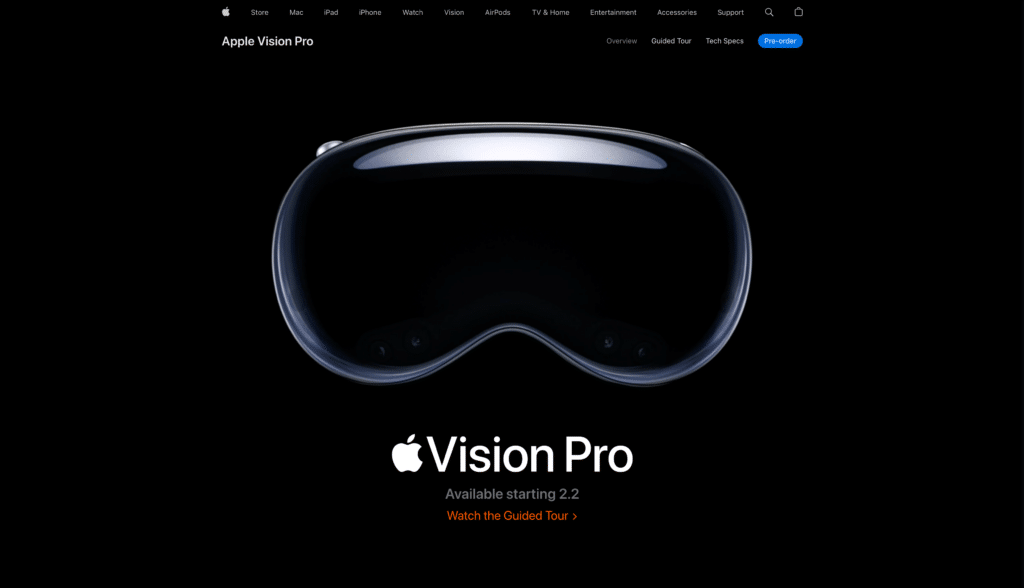
Product Launch Pages: These pages are designed to create excitement and anticipation for a new product. They often feature a countdown timer, engaging visuals, and a clear CTA to sign up for updates or pre-order.
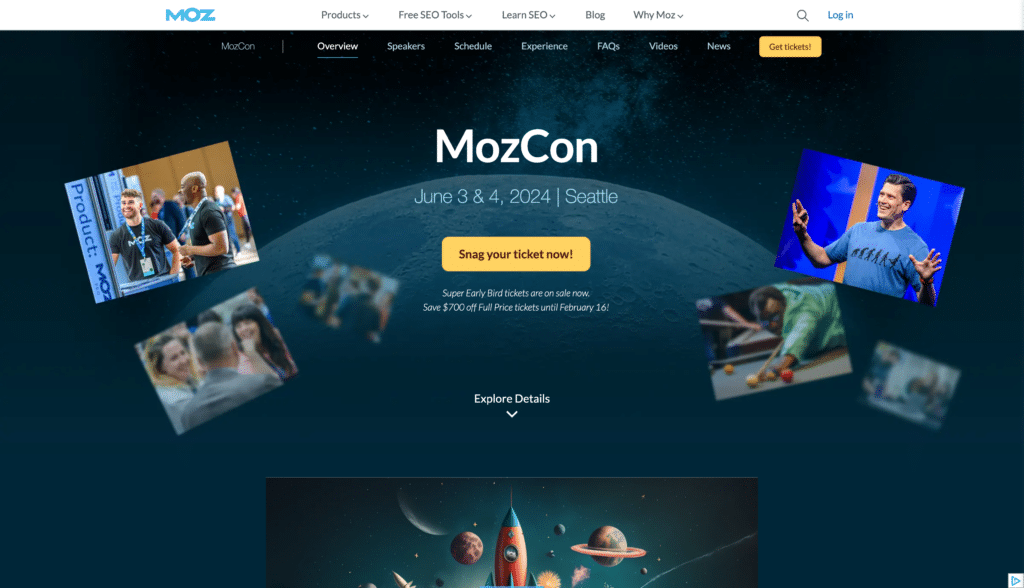
Event Registration Pages: Used for webinars, conferences, or workshops, these pages focus on the value of the event, featuring speaker bios, an agenda, and testimonials to encourage sign-ups.
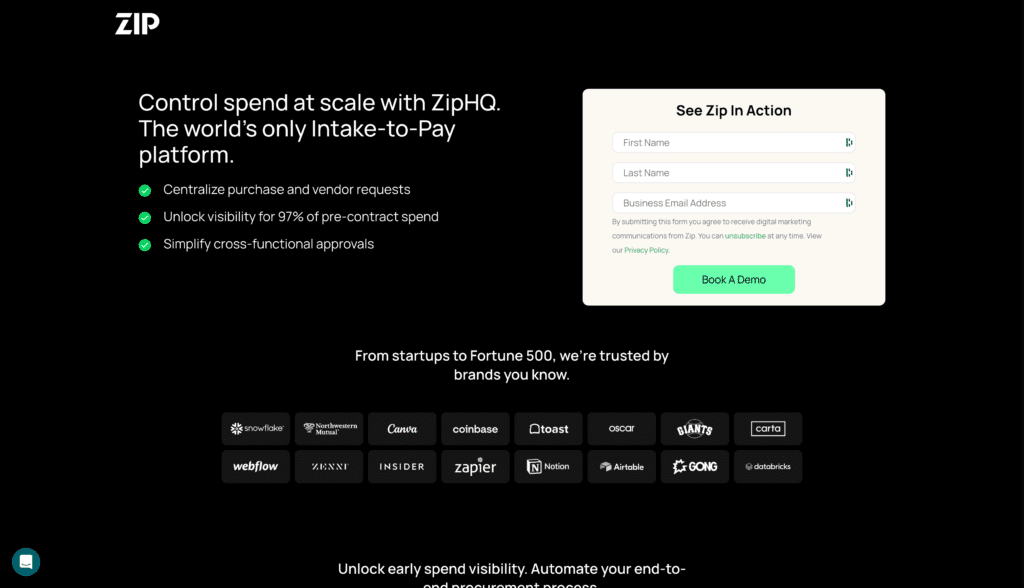
Free Trial/Demo/Book a Meeting Pages: For SaaS companies, free trial pages are critical. They typically highlight key features, benefits, and user testimonials to entice visitors to try the product.
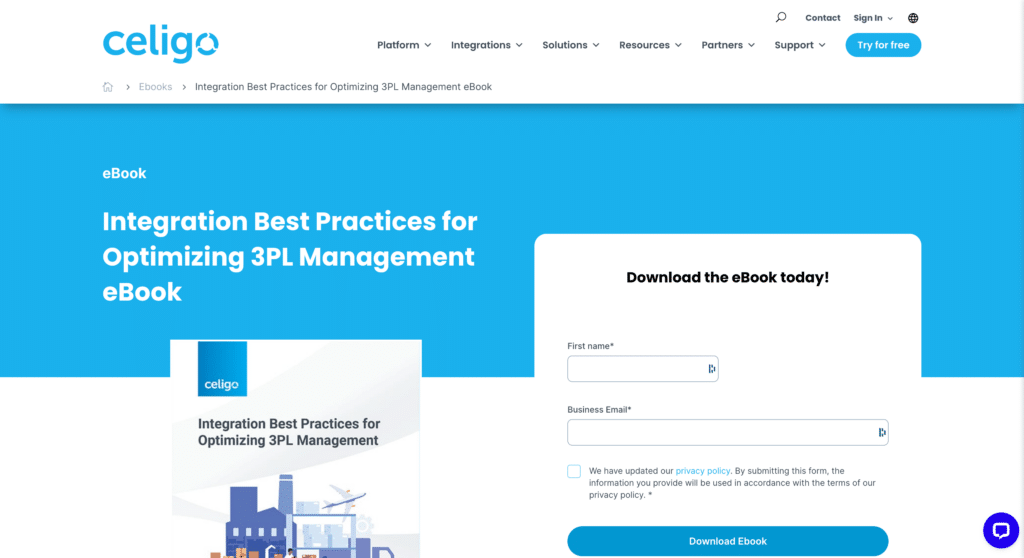
E-Book Download Pages: These pages are often minimalistic, focusing on the content of the e-book and using a simple form to capture leads in exchange for the download.
Consultation Services Pages: Aimed at booking appointments or consultations, these pages usually feature a form, trust indicators like client logos or testimonials, and a detailed explanation of the consultation process.
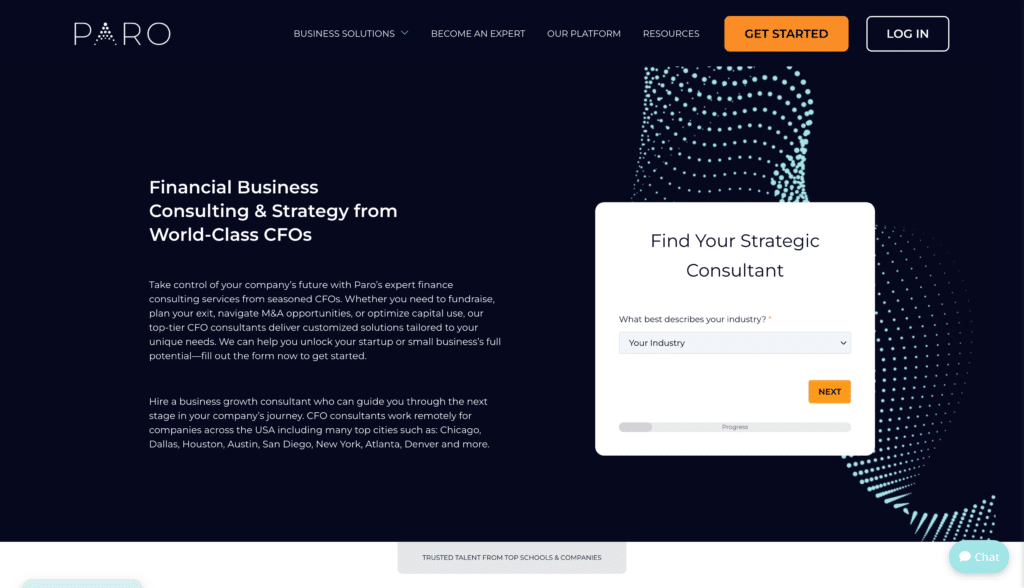
Each of these examples demonstrates the effectiveness of a well-designed landing page in achieving specific business goals. They showcase the importance of clarity, relevance, and a strong CTA, regardless of the industry or purpose.
An effective landing page is focused, clear, and persuasive. It has a compelling headline, relevant content, high-quality visuals, a clear call-to-action (CTA), and is optimized for conversions.
While landing pages are typically not the primary tool for SEO, they can contribute to your site's overall SEO strategy through targeted keywords, quality content, and improved user engagement metrics.
Success can be measured through conversion rates, the number of leads generated, click-through rates, and other analytics that align with your specific goals.
Ideally, a landing page should have one primary CTA to maintain focus and clarity. However, secondary CTAs can be included if they are relevant and do not distract from the main goal.
The length depends on your goal and audience. Some pages need more content to persuade visitors, while others may require a more straightforward approach. The key is to include enough information to convince visitors to take action.
A homepage serves as the main entry point and offers a general overview of what a company offers. In contrast, a landing page is designed for a specific marketing campaign, focusing on a single call to action.
Regular updates are necessary to ensure relevance and effectiveness. This includes updating content, design, and CTAs based on user feedback and performance data.
Yes, ideally. Tailoring landing pages to specific campaigns ensures a more personalized and relevant experience for visitors, which can significantly improve conversion rates. For keyword-based targeting platforms (Google Search, Microsoft Search), landing pages must relate directly to keywords to rank highly and to compete properly.
Cost Per Action represents the cost an advertiser pays for each desired action taken by a user. These actions can range from signing up for a newsletter, purchasing a product, downloading an app, or any other specific activity that aligns with the advertiser's goals.
CPA provides a clear measure of how much an advertiser is spending to achieve a specified outcome.
Unlike metrics such as Cost Per Click (CPC), where advertisers pay for each click regardless of the end result, CPA focuses squarely on the end game: the user's conversion.
CPA= {Total Ad Spend} / {Number of Actions}
Total Ad Spend
Sum up all the costs associated with a particular advertising campaign. This includes direct ad expenses, any fees related to advertising platforms, and other related costs.
Number of Actions
Count the number of desired actions achieved through the campaign. This could be the number of products sold, the number of sign-ups received, app downloads, or any other defined actions.
Example: Suppose you spent $5,000 on an advertising campaign and achieved 250 sign-ups.
CPA = {$5,000} / {250} = $20 This means for every sign-up, you spent $20.
Reducing the Cost Per Action (CPA) is an ongoing quest for advertisers. A lower CPA signifies more efficient ad spending and can lead to improved profitability. Here are some best practices to consider:
A proactive approach, combined with continuous monitoring and optimization, can significantly reduce CPA and lead to more successful advertising campaigns.
Understanding the industry benchmarks for Cost Per Acquisition (CPA) can provide advertisers with a clearer perspective on how their campaigns measure up against competitors. Here's a hypothetical snapshot of average CPAs across various industries:
These figures are illustrative and may vary based on factors like regional differences, advertising platforms used, and specific business models. However, having a general idea of industry averages can help businesses set realistic CPA goals and allocate budgets more effectively.
NOTE if you're looking for detailed and up-to-date CPA benchmarks for various industries, I would recommend checking websites like:
For those looking to continuously improve their advertising ROI, understanding and optimizing CPA is just the starting point. Regularly updating knowledge and skills, leveraging the right tools, and staying attuned to industry benchmarks are all key to ongoing success.
CPA measures the cost advertisers pay for each specific action taken, such as a sign-up, sale, or download. CPC, on the other hand, refers to the cost advertisers pay for each click on their ad, irrespective of the action taken post-click. While CPC focuses solely on generating clicks, CPA provides insight into the effectiveness of the advertising spend in achieving conversions.
A high CPA can result from several factors, including poorly optimized ad campaigns, targeting the wrong audience, non-compelling ad creatives, high competition in the ad space, or a landing page that doesn't effectively convert visitors.
Yes, CPA is a versatile metric and can be applied across various advertising platforms, whether it's search engines like Google, social media platforms like Facebook, or affiliate marketing campaigns. The key is to ensure you accurately track conversion actions and ad spending.
While CPA gives insights into the cost efficiency of acquiring one customer or conversion, ROAS measures the revenue generated from your advertising spend. Ideally, you'd want a low CPA and a high ROAS, indicating you're acquiring customers cost-effectively and seeing a good return on your ad investments.
Not necessarily. It depends on what you define and “action” to be. While a lower CPA indicates cost-effective ad spending, it's essential to balance CPA with the quality of actions. For instance, acquiring low-quality leads or customers unlikely to make repeat purchases might lower your CPA in the short term but won't benefit your business in the long run. If your definition of an “action” refers to the final acquisition of a customer, then a lower CPA is always what you’re pursuing.
CPA and CLV (or LTV) are both crucial metrics in assessing the financial health of a business's marketing efforts. While CPA focuses on the cost of acquiring a new customer, CLV represents the total revenue that a business can expect from a single customer throughout their relationship. An optimal scenario is having a low CPA in relation to a high CLV, indicating cost-effective acquisition and valuable long-term customer relationships.
Optimizing landing pages can significantly influence CPA. Key strategies include ensuring a clear and compelling call to action (CTA), making sure the landing page design is mobile-friendly, improving page loading times, A/B testing different page elements to identify what converts best, and ensuring the content on the landing page matches the promise of the ad to maintain consistency and trust.
Yes, however, CPA can vary widely depending on the industry. Some industries, like high-end luxury goods or specialized B2B services, may naturally have a higher CPA compared to industries with lower-value goods or broader audiences. It's essential to compare your CPA to benchmarks within your specific industry to get an accurate understanding of performance.
Seasonality, economic shifts, and other external factors can significantly influence CPA. For instance, e-commerce businesses might see a lower CPA during holiday sales seasons due to increased purchase intent. Conversely, economic downturns might result in a higher CPA as consumer spending tightens. Advertisers should be aware of these factors and adjust their strategies and expectations accordingly.
While a low CPA is generally a positive indicator of cost-effective advertising, it's possible for it to be too low in certain scenarios. For instance, if ad spending is too conservative, opportunities for scaling and reaching a broader audience might be missed. Furthermore, a CPA that seems too good to be true might indicate issues with tracking accuracy or the quality of leads that don't convert into valuable customers.
Out-of-Home (OOH) advertising (also known as Outdoor Advertising), is a category of advertising that encompasses a wide array of formats that engage audiences outside of their homes. These formats range from billboards to transit ads, offering unique opportunities for brands to make impactful visual statements in public spaces.
OOH advertising thrives on its ability to blend seamlessly into the everyday lives of consumers, capturing their attention in a non-intrusive manner. It stands out in today's digital-dominated world as a tangible and memorable form of marketing. By leveraging high-traffic locations, OOH advertising ensures maximum exposure, making it a vital tool in comprehensive marketing strategies. This article delves into the various facets of OOH advertising, outlining its types, benefits, effectiveness, and emerging trends, and equipping marketers and business leaders with insights to harness its full potential.
OOH advertising has long been synonymous with traditional formats that have stood the test of time. These include classic billboards, which offer high visibility on highways and cityscapes, transit ads on buses, trains, and taxis, and street furniture such as bus shelters and benches. Traditional OOH formats benefit from their physical permanence and widespread presence, creating lasting impressions on a diverse audience. Their large-scale nature ensures that ads are not only seen but remembered, making them a staple in outdoor advertising.
The advent of digital technology has revolutionized OOH advertising, giving rise to digital formats that offer flexibility and dynamic content delivery. Digital billboards and interactive kiosks, for example, provide the ability to change messages in real-time, allowing for more targeted and timely advertising. These digital displays can be found in high-traffic areas like shopping malls, airports, and urban centers, engaging consumers with vibrant and animated content.
OOH advertising's versatility is evident in the variety of creative examples seen around the world. From immersive billboard campaigns that turn heads in Times Square to interactive transit ads that engage commuters, the possibilities are endless. Some notable examples include 3D billboards that create stunning visual effects, environmental ads that integrate with surroundings for a natural feel, and experiential marketing campaigns that invite public participation. These examples highlight the innovative ways in which OOH advertising can be utilized to create memorable experiences and forge strong connections with audiences.
One of the key advantages of OOH advertising is its cost-effectiveness compared to other forms of media. The cost per thousand impressions (CPM) for OOH is often lower, making it an efficient option for reaching a wide audience. Additionally, the enduring presence of OOH formats like billboards can include continuous exposure over a longer period. This persistent visibility means that brands can achieve sustained awareness and recognition at a relatively lower investment, maximizing their advertising spend.
OOH advertising stands out for its creative potential, allowing brands to craft visually compelling and impactful messages. The physicality and scale of OOH formats lend themselves to high-impact designs that can captivate audiences. Creative OOH campaigns can transform ordinary spaces into extraordinary visual spectacles, generating buzz and social media shares. This creative flexibility not only enhances brand visibility but also strengthens the emotional connection with the audience, leaving a lasting impression.
Brands can now leverage real-time data in their OOH campaigns and content, enhancing relevance and engagement. Digital OOH (DOOH) allows for dynamic content that can respond to the time of day, weather conditions, or social trends, making ads more contextually relevant and memorable. This immediacy and relevance boost brand recall, as consumers are more likely to remember ads that resonate with their current environment or experiences. High recall rates are crucial in driving consumer decisions and fostering brand loyalty.
OOH advertising plays a significant role in influencing consumer behavior and encouraging purchases. Strategically placed near points of sale, like shopping centers or entertainment venues, OOH ads can effectively prompt immediate action or consideration. This proximity to purchase locations, combined with creative and persuasive messaging, can effectively sway consumer decisions, leading to increased sales and a tangible return on investment.
Measuring the effectiveness of OOH advertising has evolved with advancements in technology and data analytics. Modern attribution methods involve tracking consumer engagement and behavior following exposure to an OOH ad. Key metrics such as foot traffic, sales uplift, and digital engagement (like social media activity or online searches) are monitored to gauge the impact of OOH campaigns. Additionally, advancements in mobile location data have enabled more precise tracking of audience reach and frequency, providing valuable insights into campaign performance and audience demographics. This data-driven approach helps advertisers optimize their OOH strategies for maximum effectiveness.
Digital Out-of-Home (DOOH) advertising represents a significant leap forward in terms of targeting, personalization, and interactivity. DOOH leverages digital screens to deliver dynamic content that can be updated in real-time, allowing for more personalized and contextually relevant advertising. With capabilities such as dayparting (delivering different messages at different times of the day), audience targeting, and interactive features, DOOH offers a level of flexibility and engagement that traditional OOH cannot match. This digital transformation has made OOH advertising more adaptable, measurable, and impactful, aligning it with contemporary marketing needs and consumer expectations.
It is worth noting that while we have seen innovation in OOH attribution, it remains an upper-to-mid funnel strategy. Marketers need to educate their peers and stakeholders on the goals and expectations of upper-to-mid funnel strategies—to drive awareness and brand recall, leaving the most amount of high-quality impressions as possible. OOH campaigns launched with the expectations of directly-attributed conversions will likely not last.
To maximize the impact of Out-of-Home (OOH) advertising, it's essential to follow certain tips and best practices. These guidelines can help ensure that OOH campaigns are not only visually striking but also effective in reaching and engaging the target audience.
By adhering to these best practices, you can craft OOH campaigns that not only captivate your audience but also drive real-world results.
The landscape of OOH advertising is continuously shaped by emerging trends and innovations that redefine how brands connect with their audience. Understanding these trends is essential for marketers aiming to leverage OOH advertising effectively.
One significant trend is the integration of augmented reality (AR) and virtual reality (VR) technologies, creating immersive and interactive experiences. These technologies transform traditional OOH formats into engaging platforms, offering audiences a unique and memorable interaction with the brand.
Another trend is the increasing use of data-driven targeting and personalization in DOOH advertising. Advertisers are harnessing big data and AI to deliver more relevant and customized content, enhancing engagement and effectiveness.
Sustainability is also becoming a key consideration in OOH advertising. Eco-friendly practices, such as using renewable energy sources for digital displays or recyclable materials for billboards, reflect a growing commitment to environmental responsibility.
Finally, the fusion of OOH advertising with social media is a trend that amplifies brand messages. Creative OOH campaigns are designed to be share-worthy, encouraging viewers to post about them on social platforms, thus extending the reach and impact of the campaign. One example is Zendesk’s recent “Break Free” campaign in which they launched a drone show at the conference of one of their competitors. While hundreds saw the drone show live, hundreds of thousands saw the drone show on social media.
Out-of-Home (OOH) advertising stands as a powerful and enduring component of the marketing mix. In an age where digital media dominates, OOH advertising offers a tangible and impactful way to reach audiences in the real world. Its ability to adapt to new technologies and trends ensures its relevance and effectiveness in a rapidly evolving advertising landscape.
From traditional billboards to cutting-edge digital displays, OOH advertising provides a canvas for creativity and innovation. Its versatility allows for a wide range of strategies, from eye-catching visuals to interactive experiences that engage and resonate with consumers.
OOH advertising refers to any visual advertising media found outside of the home. This includes billboards, bus and bench ads, and digital signage in public spaces.
OOH advertising is highly effective due to its broad reach and high visibility. It's especially impactful for building brand awareness and reinforcing messages from other media channels.
Key benefits include high audience reach, cost-effectiveness, opportunities for creative and impactful designs, and the ability to target specific demographics and locations.
Success is measured using metrics like reach, frequency, audience engagement, and conversion rates. Advances in technology now allow for more precise tracking and attribution.
OOH advertising can be integrated with digital strategies through QR codes, social media hashtags, or by driving traffic to online platforms. It complements digital campaigns by extending the reach and reinforcing messages.
Current trends include the use of digital technology for dynamic content, data-driven targeting, sustainability in materials and energy use, and integration with AR/VR technologies for interactive experiences.
DOOH offers more flexibility with the ability to update content in real-time, target specific audiences at specific times, and provide interactive and engaging experiences.
Key considerations include clear and concise messaging, high-impact visuals, readability from a distance, understanding the audience, and choosing the right location for maximum impact.
Yes, OOH advertising can significantly influence consumer behavior, especially when placed near points of purchase or in areas with high foot traffic, encouraging immediate action or consideration.
Location is crucial in OOH advertising as it determines the ad's visibility and the audience it reaches. High-traffic areas, relevant to the target demographic, are typically the most effective.
Vida Health is an online and virtual care platform that offers personalized health coaching and therapy programs tailored to each individual patient's’ needs and health goals, all through an easy-to-use mobile app and website.
Vida has two target audiences: a B2B target focusing on HR decision-makers who purchase Vida for their employees, and a B2B2C target focusing on driving up demand and engagement from the employees using Vida’s health programs. With these diverse targets and aggressive growth goals, Vida’s marketing team needed a marketing agency to partner with them in both advertising strategy and execution.
Vida knew how to reach their audiences but needed to discover the ideal combinations of messaging, content offerings, content types, and imagery that would resonate and drive growth—all tackling sensitive and regulated topics like obesity, mental health, and chronic disease.
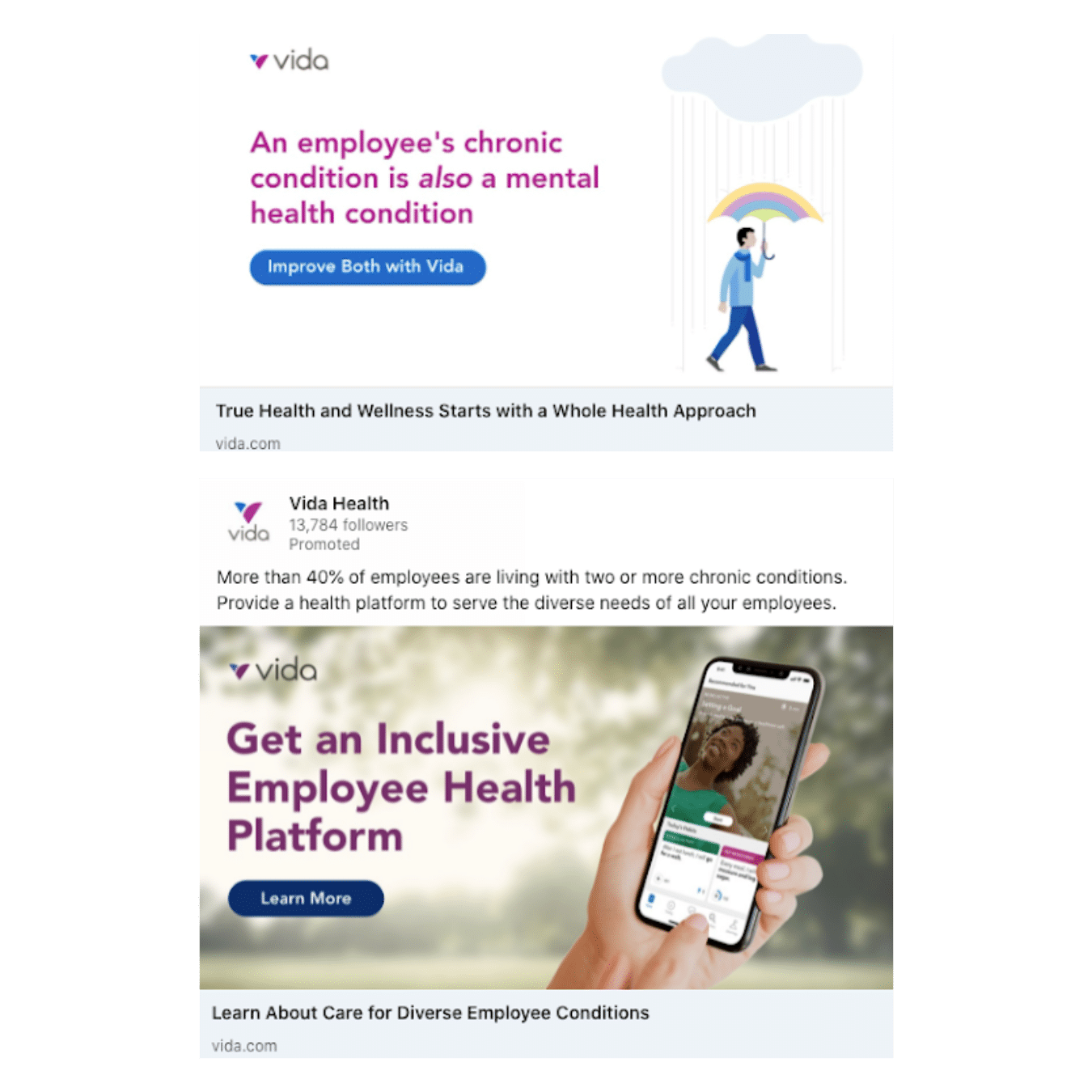
The first step was to explore Vida’s audience research and add to it with 97th Floor’s persona and buyer journey discovery process.
Next, we launched into a rigid experimentation phase, A/B testing every possible combination of message, image, and CTA—letting hard results drive each next step.
Finally, we created a series of infographics, illustrations, and content offerings to support our advertising campaigns.
Over the course of a 6-month period—thanks to our rigorous experimentation process—97th Floor’s ad campaigns helped Vida generate significant increases in leads (up 255 leads from previous period), while lowering the average cost-per lead by 22.56%, thanks to 25.79% increase in conversion rates.
Ascend.io provides an automated platform to manage data engineering & analytics workloads 10X faster by combining data ingestion, transformation, delivery, orchestration, and observability into a single platform.
Because their product is so technical and so niche, Ascend was a relatively unknown company. In fact, Ascend’s product is so unique that the company doesn’t have any direct competitors that do exactly what they do.
Desperate for leads, Ascend made a common B2B mistake—focusing only on the bottom of the funnel and their ads were performing poorly.
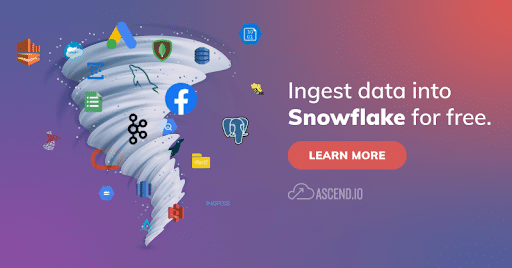

We got to work building out consumer personas based on Ascend’s audience knowledge and our own proprietary research and built out a Customer Journey Map for Ascend’s most valuable personas. We knew who our audience was, where they were spending their time, what questions they were asking, and what touchpoints to provide them.
Our strategy then unfolded in three parts: taking a full-funnel approach to existing platforms (LinkedIn & Google), launching on new platforms (Reddit, Twitter, and Terminus), and continually refreshing ad campaigns. Across all channels, we expanded the campaign objectives to include lead generation, website conversions, and website visits with a mix of ad formats, including single image, conversation ads, and document ads.
Leveraging content downloads, an increased focus on awareness, impressions and traffic from LinkedIn ads increased conversion metrics for each persona at every stage of the funnel.
Every measurable metric, including the most important metric of demo requests, skyrocketed thanks Ascend’s increased visibility across multiple channels and multiple stages of the funnel.
Blendtec, a pioneer in blending technology, is renowned for its powerful and innovative blenders, catering to both home and commercial users with a focus on cutting-edge design and performance.
By pairing a new blade design with a vicious motor, the Blendtec blender revolutionized home blending. After some initial success of its famous "Will It Blend" campaign, Blendtec's conversions fell. They needed content strategies that could drive increased site traffic, engage visitors, and boost brand awareness.
Using in-depth audience and keyword research, 97th Floor hunted down the best opportunities to connect with Blendtec’s prospective buyers.
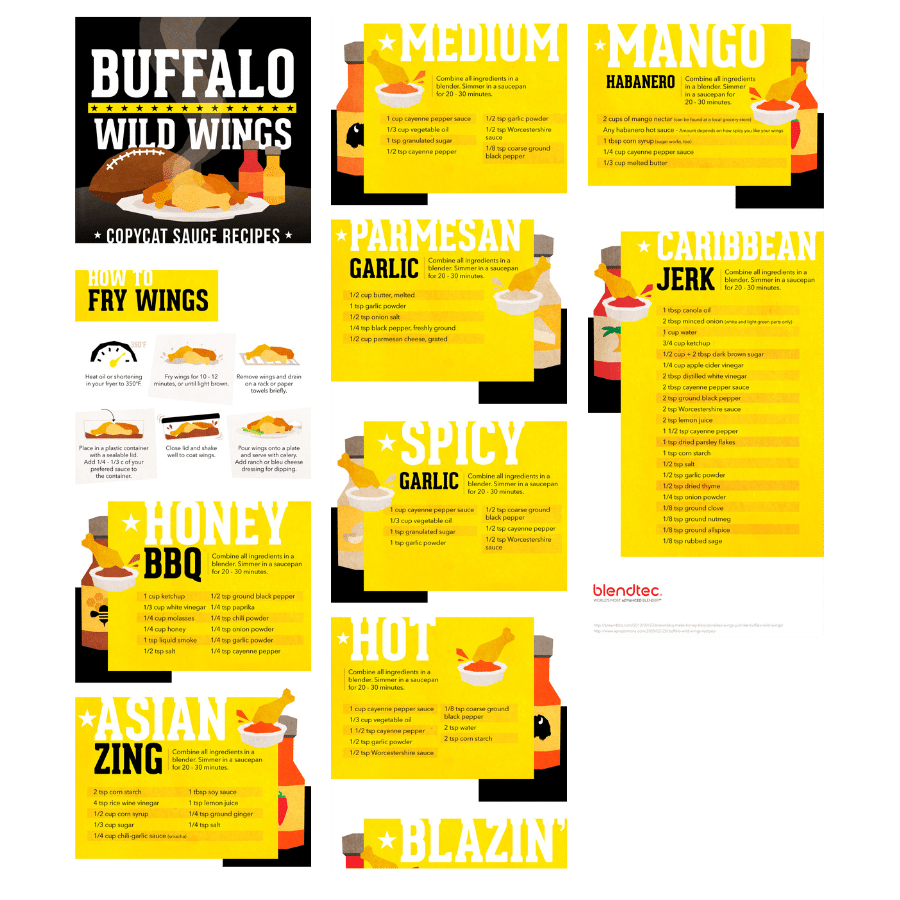
Their research revealed a clear overlap between blender shoppers and Buffalo Wild Wings enthusiasts.
Recognizing the audience's love for replicating BWW sauces, 97th Floor developed the best blender copycat sauce recipes. These were then built into an eye-catching infographic that their audience could share out to boost immediate and long-term brand awareness.
The Buffalo Wild Wings Copycat Sauce Recipes infographic absolutely exploded onto the scene delivering incredible results. The campaign led to a 23% increase in referral traffic, a 73% boost in organic traffic, and over 55,700 shares on Pinterest. These outcomes translated into a significant boost in revenue for Blendtec.
Revver, formerly known as eFileCabinet, is a cutting-edge document management and workflow automation solution provider. With a rich history in simplifying file organization and collaboration, Revver continues to empower businesses with innovative tools to enhance efficiency and streamline document processes.
At the start of the year, Revver encountered a decline in the performance of its LinkedIn ads. Despite sporadically generating a significant volume of leads, the issue persisted as these leads never turned into qualified prospects.
At this time, Revver was undergoing an up-market shift, refocusing on larger organizations and adjusting their Unique Selling Proposition (USP), presenting an additional obstacle in the path to securing qualified leads.
In June, 97th Floor began collaborating with Revver to implement 6sense segments in their LinkedIn ads. This strategic move aimed to refine Revver’s target ICP's and effectively fill their pipeline with qualified leads.

By the end of the year, 97th Floor's revived LinkedIn campaigns were pulling leads that were qualified 22% of the time—a huge bump from the 1.5% qualification rate in 2021.
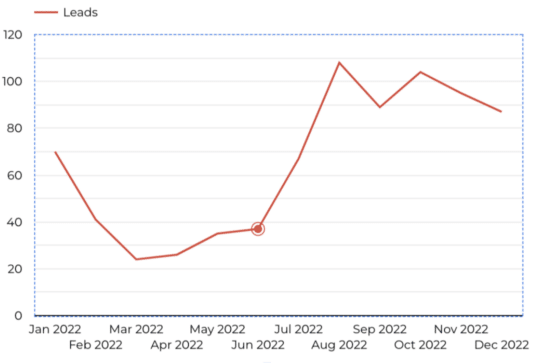
Alteryx is a data preparation platform that empowers organizations to efficiently clean, structure, and enrich their data for analytics and business intelligence. With a focus on user-friendly data wrangling and collaboration, Alteryx accelerates the data preparation process, enabling teams to drive informed decision-making.
Alteryx came to 97th Floor after initially partnering with an agency to boost organic results but left with nothing to show. After talking with 97th Floor, Alteryx believed that our expertise and strategy would get them where they wanted to be.
To kick off its SEO strategy, 97th Floor focused on creating new content and enhancing existing content. Because of Alteryx trust in 97th Floor's expertise, they immediately removed any unnecessary roadblocks that could have slowed the SEO process. This proactive approach guaranteed a seamless and efficient implementation of their SEO efforts.

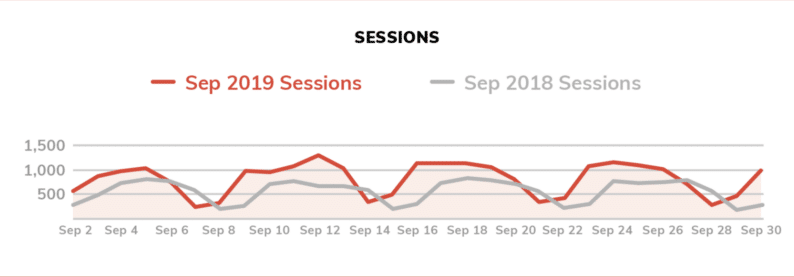
In just 1 month, 12 new content pieces were published as well as and scores of on-page optimizations. This led to astounding results within the first quarter, an anomaly in the SEO world—a 44% YoY increase in organic sessions.
Ilumio is a cybersecurity company known for its micro-segmentation solutions, offering network security against cyber threats. Their innovative technology helps organizations effectively secure their network infrastructure.
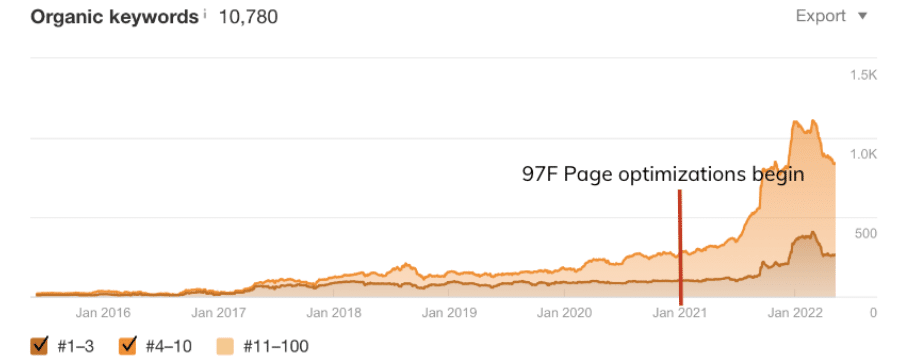
When ilumio came to 97th Floor, they ranking for less than 4,000 total keywords with only 264 of those keywords holding a first-page ranking. Addressing this limitation became a primary focus to enhance Illumio's online visibility and reach.
Audits identified keyword cannibalization issues on Illumio's site. 97th Floor's top priority was eliminating these competing pages to enhance organic traffic.
The next step involved optimizing pages targeting keywords with strong baseline rankings and high search volume. Additional audits and keyword research informed content re-optimization, internal linking, and site structure changes.

After only one year of working together, Illumio was ranking for 9,671 total keywords, with 812 keywords on the first page.
97th Floor specializes in full-funnel marketing strategy combining SEO, paid media, content marketing and design services. We generate sustainable growth for well-funded startups up to the Fortune 500—including AT&T, LG, Google and Celebrity Cruises.
Operating from the intersection of creative and analytical work, we deliver the results our clients want and need, like...

The award-winning campaign (featuring sledge hammers) that won 100+ closed deals for Revver (formerly eFileCabinet) from one trade show, Increasing new users by 48% with a killer SEO strategy, cutting a 240-day sales cycle to 90 days,
A 371% increase in MoM digital sales for the Utah Jazz, and a 390% increase in referral traffic.

Our ability to generate sustainable growth for our clients is impressive, but the how is quite simple. The 97th Floor advantage all comes down to team structure.
When working with a marketing agency, you almost exclusively interface with an account manager who directs strategy.
We found that this approach leaves too much room for miscommunication and errors.
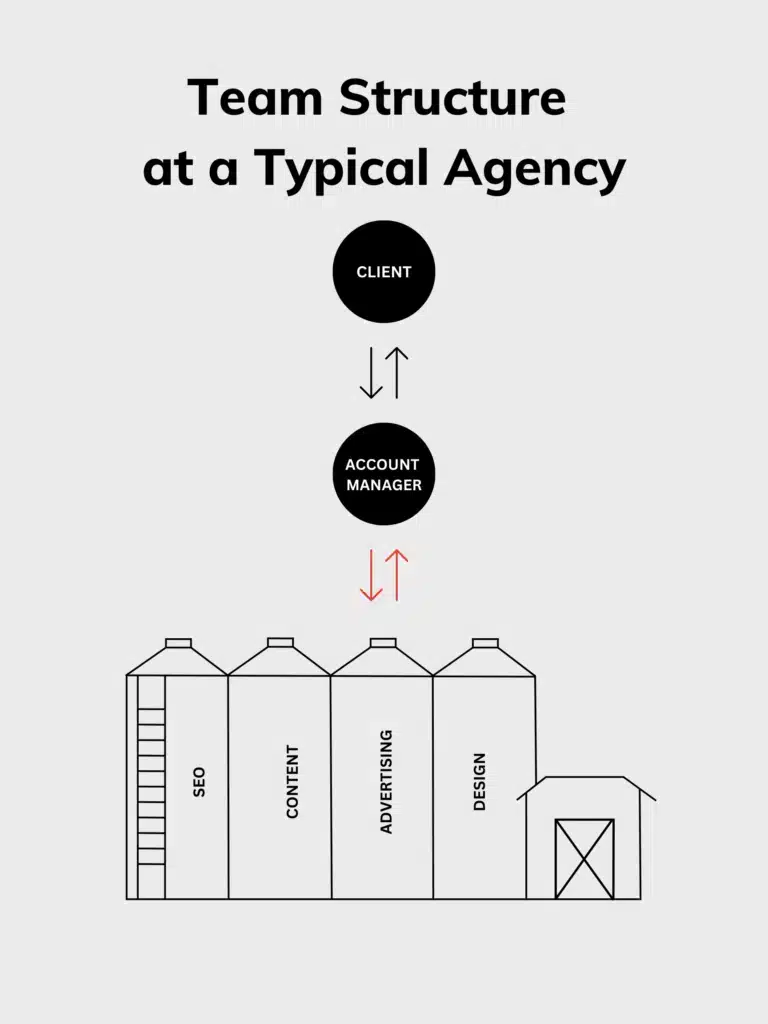
97th Floor’s approach is radically different, yet radically simple: The people who are working on an account are all on the same team, supported by off-team leadership.
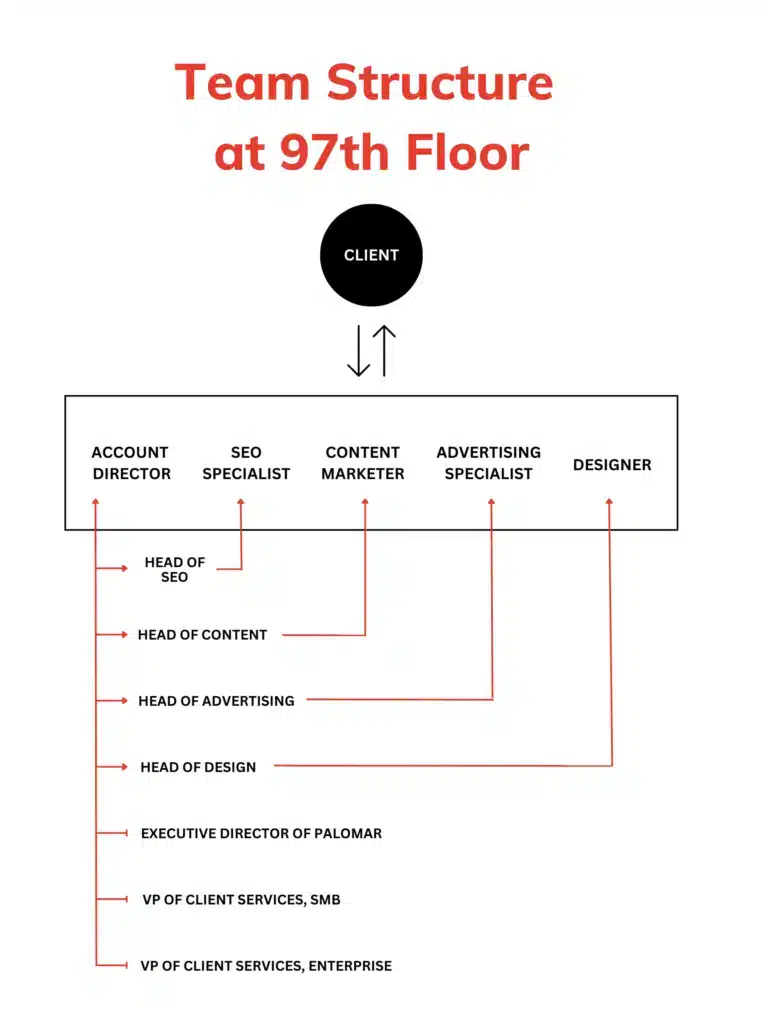
With us, there’s no relay between an account manager and the marketers executing strategy.
Our digital marketing experts have direct contact with our clients—the experts on their customers' needs—empowering our teams to deliver what our clients want and their businesses need.
What matters to you - meeting revenue goals, moving new leads into the pipeline, an upcoming site migration, proving ROI - is never repeated in a haphazard game of telephone throughout the agency.
So what do these teams actually look like? Here are the savvy experts that our clients interact with on each team:
An account director has chiefly three roles:
Because account directors oversee all of our disciplines, they work with their team members to ensure that execution is meeting strategy needs.
Most agencies use an account manager to manage a client-directed strategy. A key difference at 97th Floor is that the account director, leaning on their expertise and insights, forms a strategy and then connects with the client and the team to ensure communication and execution of the strategy is clear.
You’ve heard the phrase, “content is king,” before, right?
While certainly true, this phrase spurred thousands of organizations to produce drivel for over a decade, all to the demise of good user experience online.
Short-term thinking has ruined content marketing.
When every channel has its own specialist, no one owns the strategy. Watch this short clip on why that fragmentation is quietly costing brands more than they realize.
The role of a content marketer at 97th Floor is to help our clients escape this monotony by crafting content based on in-depth persona research and a customer journey.
The content marketer on each team is the “true north” when it comes to the customer’s experience and buyer journey, advocating for them and providing value across every stage.
Our content marketers bring value to our clients because they:
An SEO specialist is responsible for the client’s organic growth. Every initiative an SEO specialist takes on will fall under one of these three categories.
Everything an SEO does, be it an audit, backlink, or optimization, is tied to bottom-line results—brand awareness, traffic, and most importantly, revenue.
SEO specialists who cannot defend their tactics as revenue-generating do not have a place at 97th Floor.
Our advertising specialists are a true blend of creative and analytical, responsible for knowing:
As advertising is a huge investment for both ad creation and management, our promise is to find the best way to spend your money based on who your target audience is (or should be) and what your goals are.
Last year, we ran ads across 23 different platforms based on the custom campaign strategy we crafted for each client.
To name a few, our ad specialists have robust experience in the following areas:
Clear data coupled with responsive and creative optimizations make our advertising specialists ROI machines.
Every member of our client teams is given off-team support and training, all to our client’s benefit.
Head of Content - From buyer personas, semantic research, content production, and strategy development, Rachel Bascom ensures that each content marketer has the know-how and the tools to create winning content strategies for our clients.
Head of Advertising - Haley Riemenschneider helps our ad specialists drive client results with awareness continuums, B2B buyer journeys, and customer funnels to create cutting-edge marketing campaigns across multiple ad platforms.
Head of SEO - Trent Howard keeps our SEO specialists sharp, always exploring the best tools and techniques for uncovering the best practices to bring our clients sustainable organic growth.
Head of Design - Rian Kasner’s design team delivers beautiful and functional designs on time and in a variety of styles. The diversity of 97th Floor designers ensures that each execution team can provide a wide array of design formats and styles.
Executive Director of Palomar - Palomar is a patent-pending software suite for digital marketers developed by 97th Floor. The toolset inside Palomar analyzes large mountains of data in real-time to create a clear-cut digital strategy. Executive Director of Palomar Josh Moody monitors the latest trends in keyword research, SEO analysis, and content marketing to keep building tools that help our teams make the best decisions for our clients.
VP of Client Services - Samantha Brown fills this crucial support role for our marketing teams. She makes it possible for our teams to deliver excellent work by:
Our system follows a pattern of continuous improvement, but at its core, we believe that when our clients interface directly with a team of marketers that work together daily, both 97th Floor and our clients are better for it.
