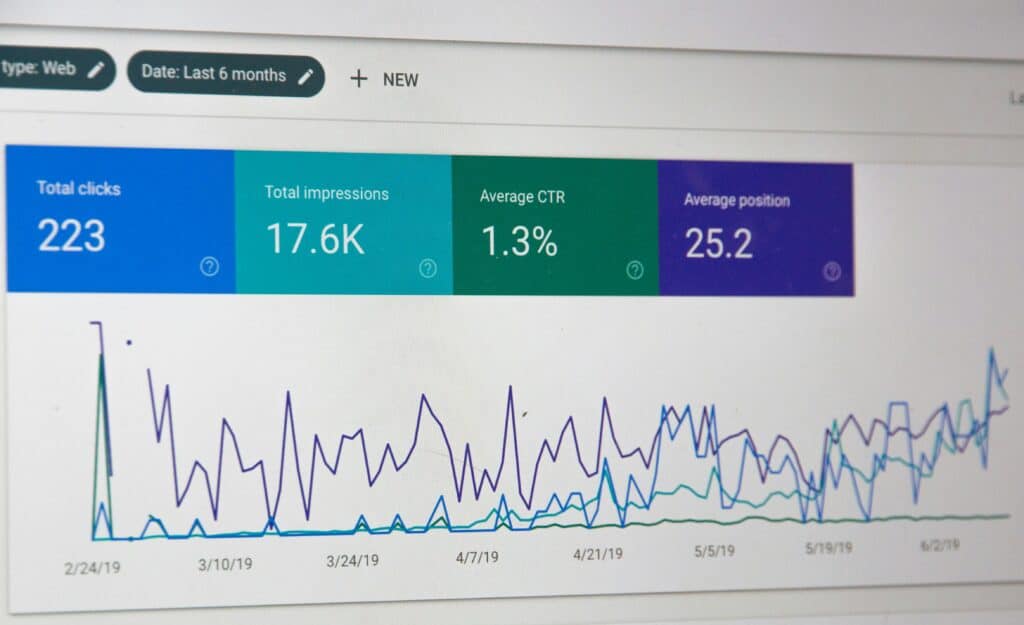
If you pull a keyword report for the term “network segmentation” it will show you 2.9k searches a month. The old SEO model started by building a page optimized for the term, getting to the top spot, and letting the traffic role in. Mission accomplished. That was the prevalent model held for fifteen years, and many marketing teams still run on it.
Even though cumulative search volume is on the rise, that model just isn't working anymore for effective SEO all because the original “2.9k” wasn’t what it seemed. It was always 2.9k people who had all been trained to flatten what they actually wanted into the two or three words in order to get the results they were looking for. Now AI search lets people ask a question in their own words and now that single 2.9k number splits into 20 or 30 distinct intents. It may be a CISO asking how segmentation reduces ransomware blast radius, a mid-market IT lead asking whether they can segment without ripping out their existing firewalls, or a compliance manager asking which framework requires it all. And previously they all might have simply searched “network segmentation.”
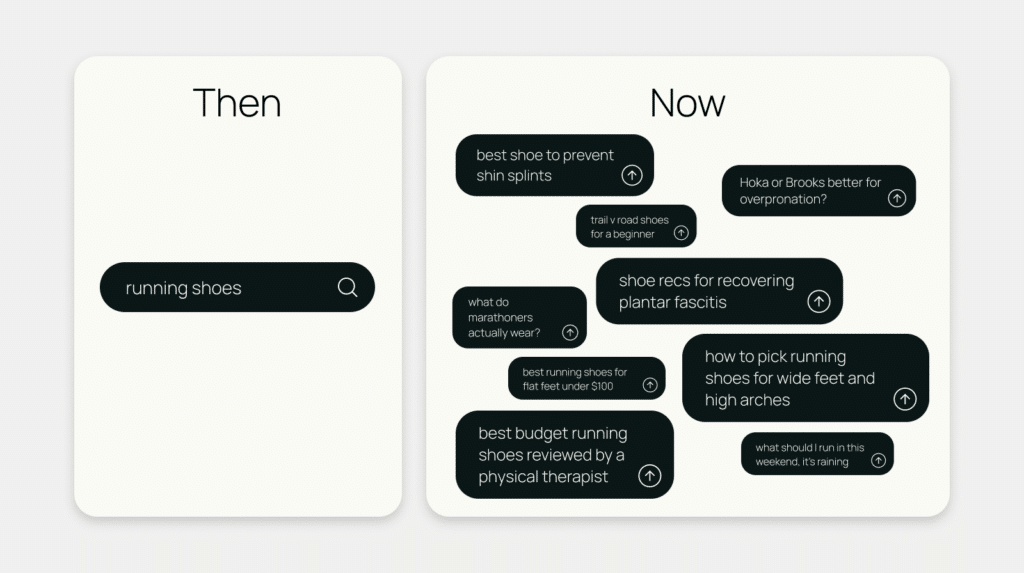
Keyword volume was always a proxy for demand, and it was never a great one at that. We tolerated the imperfect data because the search box forced everyone to round their question to the same handful of phrasings, so the proxy stayed roughly stable. AI search removed the rounding and added personalization to boot.
The search volume still tells you demand exists but it no longer tells you how anyone is actually asking.
The Goal Isn’t Just Ranking #1 Anymore. It’s Showing Up Across Multiple Topics.
If your target keyword is really 40 different intents, then “rank #1 for network segmentation” should stop being the primary objective (with the obvious caveat that a huge factor for showing up in AI search is showing up in SEO).
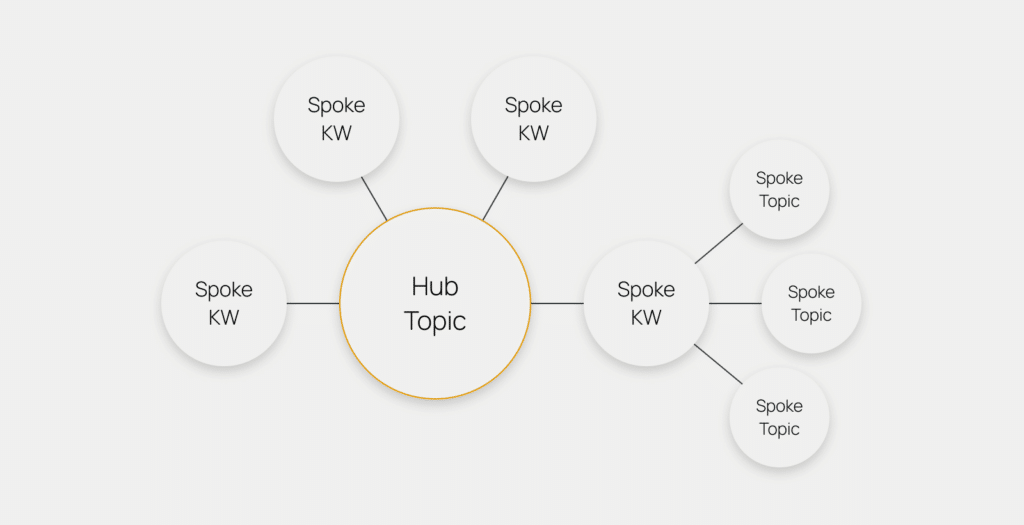
The goal should be to show up across a representative sample of the intents that volume is hiding. To cover the spread well enough that whichever way a real buyer asks, your brand is in the answer. That coverage can be achieved through larger, more comprehensive articles or guides, but we’re seeing more success with smaller and more direct content mapped to a hub and spoke model.
The big issue is that an AI answer is not stable like KW rankings typically are. Answers will vary with every search, every platform, and even between models on the same platform. If you track a single prompt and watch your “spot” in the response, you’re just measuring noise.
The current play seems to be to group related prompts into clusters (intent, funnel stage, product line) and read the aggregate over time across the most commonly used AI search platforms for your audience specifically. Then you should watch for changes over time, not focus too much on a single prompt.
So Where Does Content Strategy Come From?
If volume no longer tells you what people want, it becomes important to find other sources that do. Some areas we’re exploring and have found success include filtering search console queries, exploring forums and community threads like Reddit and Quora, customer interview, commonly asked questions or pain points from sales calls, expanding on concepts on the most visited and engaged with pages, and other internal data (support tickets, sales-call transcripts, site search, successful ad copy).
To be clear, I’m not advocating the industry stop using volume data and KW research entirely. We’ll continue to use it at 97th Floor. But we won’t treat KW research as a content calendar. It’s a market-validation signal and the work of deciding what to build comes from the real audience signals mentioned above.
Why the Best CMOs Are Getting Comfortable With Ambiguity
Keywords aren't the only data worth rethinking, attribution is too.