



For seasonal business owners, demand rises and falls with the changing weather. While seasonality is a unique and perhaps daunting challenge, the predictable rhythm of demand means that those businesses who can sync their marketing with the mandates of sun or snow can have success year-round.
97th Floor is no stranger to seasonal marketing; we’ve executed winning strategies for businesses including pool maintenance, sports equipment, cruise lines, pest control, lawn care, solar, and moving services, just to name a few.
In this article, our resident experts in SEO, content, and advertising share five actionable tips for seasonable business marketers.
Search Engine Optimization (SEO) is a long-term game, and waiting until peak season to focus on it can be a costly mistake. It's essential to begin your SEO efforts well in advance, ideally during the off-season.
Head of SEO Mike Witham says, “You need consistent year round efforts to maintain and improve rankings. If your peak season is in March, you should be ensuring you have solid rankings for core pages by no later than December. Do not start working on it the month before your peak season!”
For businesses serving multiple states or a large region of the country, seasonal demand may be different across these various geographies.
Enterprise advertising specialist Spencer Martin uses Google Keyword Planner to anticipate search volume fluctuations in different areas.
He shares, “We launch campaigns early so that we have 2 to 4 weeks to ramp up and capture the full demand. Campaigns need time to scale and learn, so if we wait until the season starts to launch we lose out on potential profits for our clients.”
While digital marketing is crucial, seasonal businesses can see major wins by looking at more traditional advertising. Enterprise Account Executive Nathan Hooper suggests non-digital forms of advertising, such as mailers or community events to target local audiences. Advertising on community calendar pages or local business directories can put your business in front of potential customers who may be researching local services.
Understanding your buyer and their motives for buying is essential for capturing demand at the right time.
Brandon Smithwrick asks what happens to your marketing instincts when you let AI do all the thinking. He breaks down how cognitive offloading quietly erodes the skills great marketers are actually built on.
Senior Director of Campaigns Jon Hammond shares that his clients in the travel industry refer to December through February as “The Wave.” This three-month period is the biggest sales period for travel as people look forward to summer sun during the cold, dark winter months. His clients maximize their ad budget and run major deals and promotions during this time to capture the demand.
Content Marketing Specialist Kaylee Baker emphasizes the importance of targeting specific demographics, such as 18-30 or 25-40-year-old males, who are the main consumers of seasonal services. Consider the platforms they frequent, such as YouTube, to tailor your marketing efforts accordingly.
When reporting to leadership, especially in industries with high historical seasonality, like cruises, it's essential to use Year-over-Year (YoY) data rather than Month-over-Month (MoM) data. This approach provides a more accurate depiction of progress or decline in traffic or sales over the seasons. By analyzing YoY data, you can better understand trends and make informed decisions to optimize your marketing strategies.
In conclusion, marketing a seasonal business requires careful planning, adaptation, and understanding of your target audience. By implementing these five tips, you can maximize your marketing efforts and capitalize on seasonal fluctuations in demand.
8M Solar is a pioneering renewable energy company committed to advancing solar technology. With a focus on innovation and sustainability, 8M Solar strives to provide cutting-edge solar solutions for a greener and more sustainable future.
8M Solar's marketing is very localized, relying on in-person sales and online marketing to target key areas throughout North Carolina. They approached 97th Floor for assistance when their conversions were being negatively impacted by flatlined traffic and declining rankings.
Our SEO strategy for 8M Solar included:
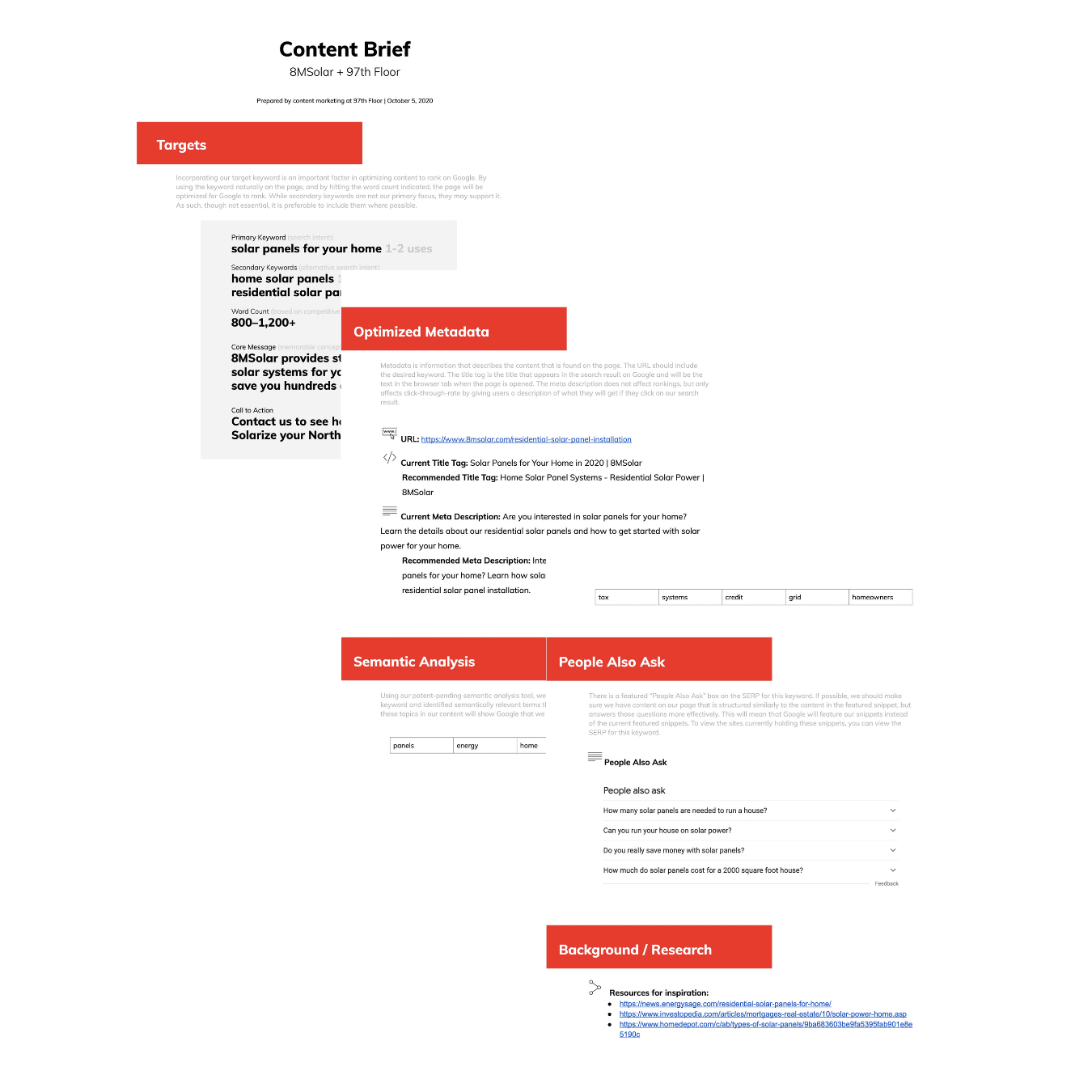
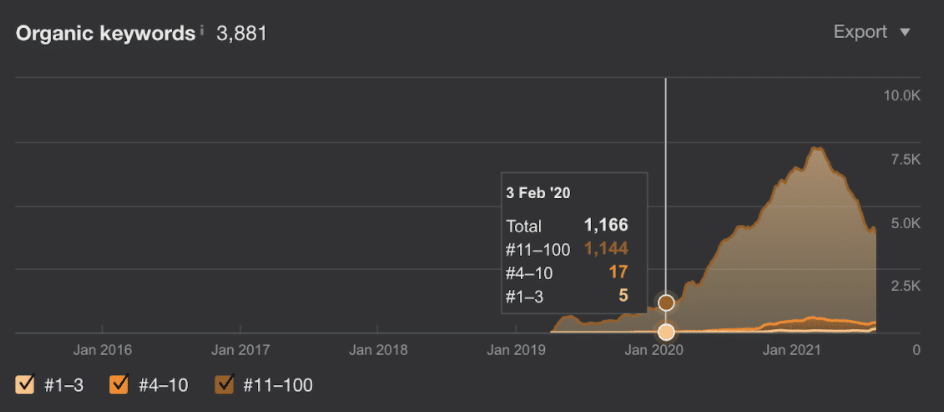
In just 11 months, 97th Floor dramatically enhanced 8M Solar's organic traffic, achieving a 498% increase in web traffic and a 177% rise in quote submissions. Our SEO strategy expanded the company's organic keywords from 1,166 to 3,886, significantly boosting 8M Solar's visibility and market position in the renewable energy sector.
A prominent player in the residential solar industry, Vivint Solar specializes in eco-friendly solutions to deliver sustainable and cost-effective energy to homeowners.
Faced with the challenge of new market competitors, Vivint Solar came to 97th Floor to expand its reach, increase non-branded traffic, and regain market share using digital strategies that could evolve and compound over time.
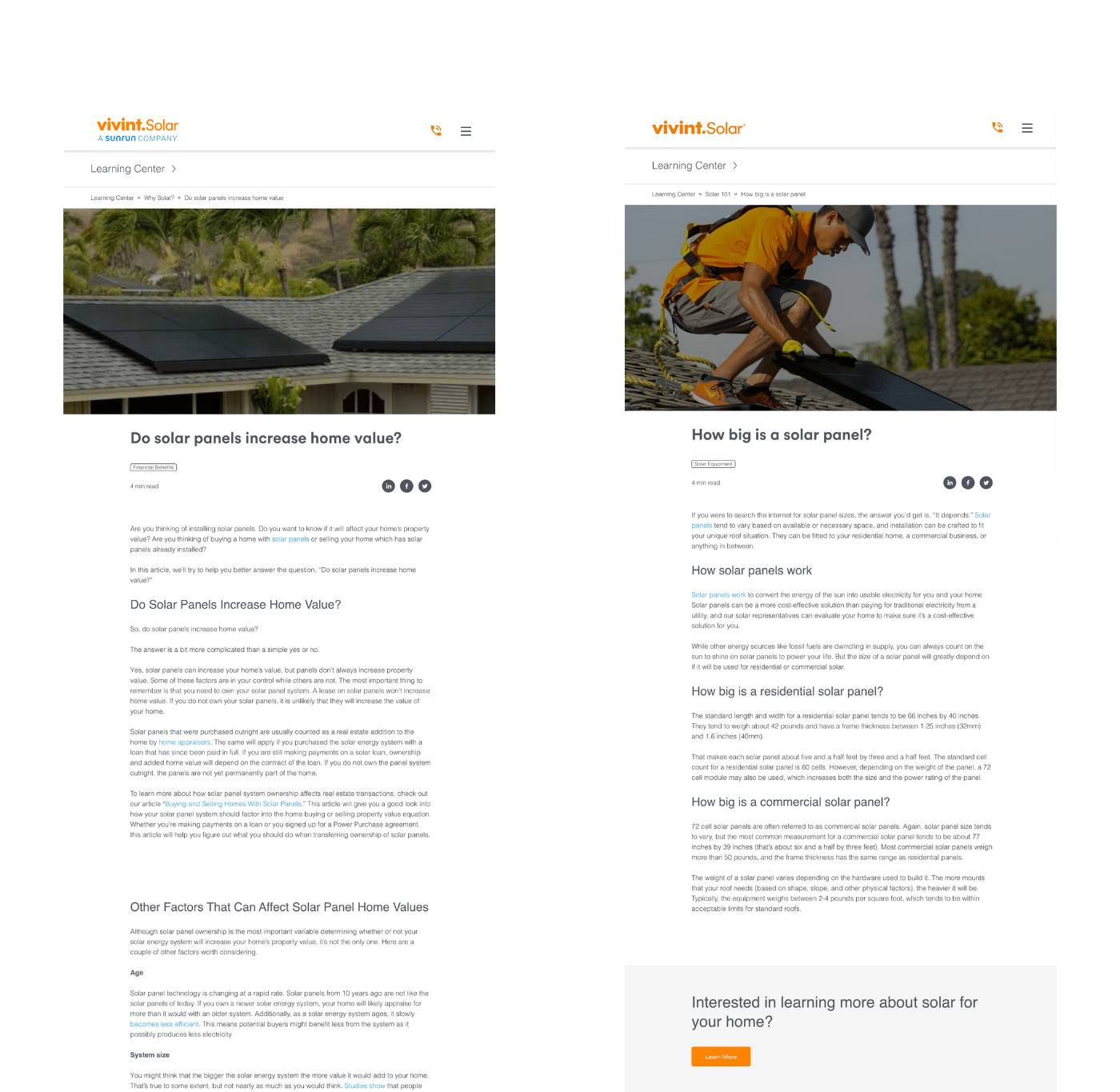
Our strategy involved a multifaceted approach to enhance their online presence. We focused on targeting intent-based keywords in our blog content and site optimizations to increase non-branded traffic.
Recognizing Vivint Solar's national reach, we implemented local SEO strategies to drive organic inquiries in various locales. A crucial part of our approach was a robust link-building campaign, ensuring the newly created content ranked effectively for the targeted keywords. Our strategy encompassed:
After launching, Vivint Solar's non-branded organic traffic grew from 5% to a third of all visitors. This change, along with a 40% annual increase in overall organic traffic, significantly enhanced revenue, contributing to a marked increase in recurring revenue.
Vivint Solar is a brand that needs no introduction — mostly because they’ve been introducing themselves from our doorways for years. Of course, it doesn’t hurt that they are a multi-billion dollar, door knocking solar juggernaut, but it wasn’t always this way.
Their street presence had never been stronger, they came to 97th Floor with an online presence that was lackluster. Their success in the neighborhoods had left smaller shops eating their digital lunch. They’d seen the gap in their strategy and had a desire to translate their success from the streets to the internet — and in the process, open the door to the even wider audience to be found online.
At the start, we had hardly anything to go on. Vivint Solar hadn’t put a deep SEO plan in place before, and while they organically dominated branded searches, they hadn’t turned any attention to non-branded search terms. So, we began from square one. Not that we minded, we always love painting on a blank canvas.
{% video_player "embed_player" overrideable=False, type='scriptV4', hide_playlist=True, viral_sharing=False, embed_button=False, autoplay=False, hidden_controls=False, loop=False, muted=False, full_width=False, width='1920', height='1080', player_id='25873143908', style='' %}
Vivint Solar needed a clear, intentional SEO strategy. And, because all SEO measures take time to bring in results, it also needed to be enacted soon so that they could establish themselves. With that in mind, we got right to work.
We began as we always do, with market research to reveal the strengths and weaknesses in the strategies of Vivint Solar’s competitors. This kind of research is essential because it identifies gaps that our client can fill — as well as places where they can step up their game in order to keep up.
In Vivint Solar’s case, we discovered that many of their competitors’ ranking pages had great domain authority, and they had already targeted many non-branded terms. With this information, we were armed to take the next step and conduct informed keyword research.
Our keyword research revealed crystal-clear opportunities for optimization and new content. As Vivint Solar was already a known brand — and already bringing in traffic from branded searches — we focused all attention to increase our share of voice via non-branded terms. Our keyword research quickly uncovered non-branded keyword opportunities that would aid consumers along their buyer’s journey. We launched a comprehensive blogging strategy with the intent of attracting inbound traffic through these non-branded terms and increasing on-page conversion through compelling CTAs and copy.
As we mentioned, time was of the essence. We needed to get Vivint Solar’s new blog pages ranking quickly, and link building was an essential part of that race against time. Links build the authority of a page in little time, allowing the page to rank much more quickly than it would on its own.
Our strategy didn’t end there. While our ultimate goal was to increase Vivint Solar’s presence online so they would not be totally reliant on door-knocking, what if there was a way to take advantage of those prolific efforts? Using localized SEO, we launched pages for every locale where Vivint Solar is active, over 100 (but we’ll get to that later). This provided pages tailored to the needs and offers of various states and cities, connecting door-knockers and potential customers quickly and effectively.

With these strategies in place, and a thorough technical audit completed, we put our plans into action — starting with content creation. Together with the Vivint Solar team, we researched, outlined, and produced over 200 articles targeting our various non-branded keywords.
Once article creation was underway, we turned our focus to link building. Our competitive research informed this strategy from the beginning, including the frequency of our backlinks and their quality. After the first month of outreach, we were able to gain over 30 backlinks each month to the Vivint Solar site, each one obtained naturally on quality websites. Not to mention, each link was optimized for a specific page and corresponding keyword. This aided our content in ranking quickly for our intended keywords.
Additionally, we helped Vivint Solar build out robust versions of their local pages, which at the time included 23 states with additional locales within each state. By the time we were done, we had over 100. We built out and optimized local pages and search terms in each of these respective markets.

While the above components are critical to any digital transformation, we knew it was important to look even deeper into Vivint Solar’s funnel than simply awareness-level content. We analyzed the conversion path for Vivint Solar, and identified potential weaknesses or misalignment of message. We then added resources to optimize the user’s experience once they’d entered the funnel, and throughout their journey. We fully audited and optimized email messaging, and created valuable content by breaking down complex industry topics and making them more digestible through quality UX design.
Here at 97th Floor, we love working with remarkable partners like Vivint Solar. Together we moved quickly to not only meet, but exceed the goals we set at the onset of the project.

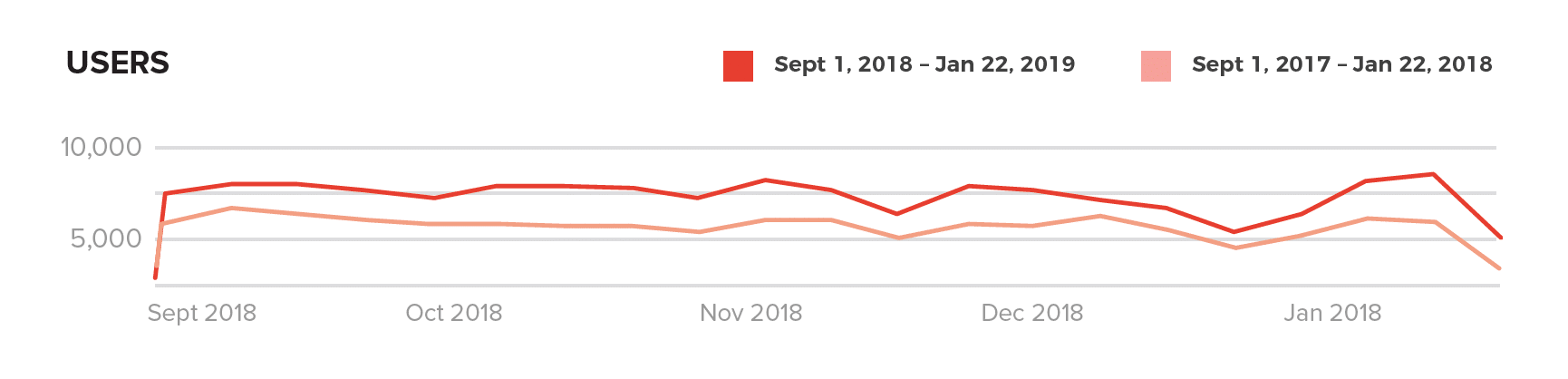
Before 97th Floor began working with Vivint Solar, only 5% of their organic traffic was non-branded, and today 33% of all visitors are coming from non-branded keywords. Additionally, total organic traffic has increased by an incredible 45% year over year. This was accompanied by a comparable rise in revenue, and a 40% increase in new users. This increase in traffic and conversions has manifested in hundreds of thousands of dollars in recurring revenue brought in from digital channels.
Today Vivint Solar has a shining reputation in residential solar on the streets and on the web — a true physical to digital transformation. Their prospective customers used to have to wait to be found. Now they are able to find Vivint Solar on their own. Through our combined efforts the two methods work together, making Vivint Solar an unstoppable force with a good reputation on the streets and online.
it can be hard to be aware of the human side of the business while also making sure we’re focused on the business side. when people are the happiest and feeling fulfilled and accomplished in their role, it benefits the whole company.
Welcome to the the 97th Floor Mastermind Interview Series where each week we sit down with one of the makers, thought leaders, and visionaries behind the biggest and/or up-and-coming brands around. We talk about everything from business and marketplace insights to personal journeys and successes, to failures and legacy.
In this episode we’re talking to Miranda Barnard, Vice President of Marketing at Vivint Solar, about the marketing value of understanding your audience, creating sharable messaging, recognizing and employing trends, and more. Using personal experiences and insights, Miranda dials in on what it means to provide a great customer experience, how that focus is changing the world of business, and how leadership in business is adapting.
0:10 About Miranda
2:37 Storytelling
4:28 Communicating with authenticity
7:09 Career changes
8:36 About Vivint Solar
14:15 Onboarding
18:11 Leadership style
19:33 Letting people go
23:09 Creating vs recycling content
25:30 What keeps you up at night
26:30 Handling conflict
29:02 Miranda’s legacy
Learn more about Vivint Solar
Connect with 97th Floor on YouTube | Facebook | Instagram | Twitter | LinkedIn
Be sure to subscribe to our YouTube channel and get notifications - we’ll drop a new episode every week.
 |
 |
 |
