



Unlike broad, generic keywords, long-tail keywords are longer, more specific phrases that visitors are more likely to use when they’re closer to a point of purchase or when they're using voice search. They're not just longer in terms of word count; they're more descriptive and targeted.
The essence of long-tail keywords lies in their specificity. For example, instead of a broad term like "shoes," a long-tail keyword would be "women's black running shoes size 8". This precision not only refines search results but also aligns closely with the searcher’s intent. As a result, long-tail keywords often exhibit lower search volumes but significantly higher conversion rates due to their targeted nature.
Incorporating long-tail keywords into a marketing strategy is crucial for several reasons. They represent a less competitive landscape. Since they're more specific, fewer websites compete for them, making it easier for a particular website to rank higher in search engine results pages (SERPs).
Moreover, long-tail keywords mirror how people naturally speak and search, especially with the rise of voice-activated assistants and conversational search queries. They help businesses to capture the essence of the users' queries more effectively. By focusing on these specific keywords, marketers can attract a more focused audience, leading to higher engagement, better conversion rates, and ultimately, enhanced customer satisfaction.
One of the most significant benefits of using long-tail keywords is the reduced competition they face in search engine rankings. Since these keywords are highly specific, fewer businesses target them, resulting in a less crowded space. This aspect is particularly beneficial for small to medium-sized businesses that may not have the resources to compete with larger companies for more generic, high-competition keywords.
Additionally, for paid search marketing campaigns, long-tail keywords often have lower cost-per-click (CPC) rates. This affordability makes them an attractive option for businesses looking to maximize their advertising budgets. By targeting these specific phrases, companies can achieve better ad placements at a fraction of the cost, enhancing their return on investment.
Long-tail keywords draw in traffic that is more targeted. Users who search using these detailed phrases are typically further along in their buying journey and have a clear intent.
For example, a user searching for "best price on 4K HDR smart TVs in Los Angeles" is likely more ready to purchase than someone simply searching for "TVs".
This specificity not only increases the relevance of the website traffic but also significantly boosts conversion rates. Visitors landing on a site through long-tail searches often find exactly what they're looking for, which makes them more likely to complete a purchase, sign up for a service, or perform any desired action.
For new or smaller websites, competing for high-volume keywords against established players can be daunting. Long-tail keywords often provide a more accessible entry point into search engine rankings. Due to their specific nature, these keywords face less competition, making it easier for these websites to rank higher in search results.
This ease of ranking is particularly important for niche businesses or those with unique product offerings. By focusing on long-tail keywords, they can effectively target their niche market and establish a strong online presence without the need for extensive resources.
Long-tail keywords offer a plethora of options for businesses to tailor their content and marketing strategies. With countless combinations and variations of phrases, companies can target a wide range of search queries related to their products or services. This diversity allows for a more comprehensive SEO strategy that can adapt to different customer needs and search behaviors.
Moreover, the diversity in long-tail keywords enables businesses to create content that addresses very specific queries or problems, establishing them as authorities in their field. This approach not only improves search engine rankings but also enhances the user experience by providing valuable and relevant information.
Finding the right long-tail keywords is a blend of art and science, requiring both creative thinking and analytical tools. Here are some effective methods:
In addition to the methods mentioned, several tools are specifically designed to help identify long-tail keywords:
Each of these tools and methods offers a unique approach to uncovering valuable long-tail keywords, essential for crafting a targeted and effective SEO strategy.
The effective use of long-tail keywords begins with understanding user search intent. It's crucial to recognize why a user might be searching with a specific long-tail phrase. This understanding can be categorized into four types of intents: informational, navigational, transactional, and commercial. By aligning your content with the user's intent, you can ensure that it resonates with their needs and interests.
Once the intent is understood, content optimization becomes key. This involves strategically placing long-tail keywords in your content to improve its relevance and visibility in search engine results. However, it's important to maintain a natural flow in the content; keyword stuffing, or the overuse of keywords, can harm readability and SEO performance.
Keyword placement is more than just sprinkling phrases throughout your content. It involves placing them in critical areas like titles, headings, the first paragraph, meta descriptions, and ALT text for images. This strategic placement helps search engines understand the primary focus of your content.
With the rise of voice search and conversational AI, optimizing for semantic search is also vital. This means creating content that not only contains the exact long-tail keyword but also covers related terms and phrases. Such a holistic approach ensures that your content aligns well with the conversational and natural language patterns used in voice searches.
Long-tail keywords thrive in content that is comprehensive and contextually rich. This means developing content that not only answers the specific query but also provides additional value and information surrounding the topic. By doing so, you establish your website as an authoritative source of information, which is favored by search engines.
Creating content that covers a topic in depth, with various long-tail keywords naturally incorporated, can also cater to a broader range of related search queries. This approach increases the likelihood of your content ranking for multiple long-tail phrases, drawing in a larger, yet still targeted, audience.
Exploring real-world examples and case studies helps illustrate the power and effectiveness of long-tail keywords in SEO and digital marketing strategies. Let's delve into a couple of notable instances:
These examples highlight how businesses, by leveraging long-tail keywords, can enhance their online visibility, attract more qualified traffic, and ultimately achieve better conversion rates. The key lies in identifying the unique aspects of their offerings and aligning them with the specific needs and search behaviors of their target audience.
Let's address some prevalent misconceptions about long-tail keywords:
Long-tail keywords, characterized by their specificity and close alignment with user search intent, offer a pathway to higher conversion rates due to the targeted nature of the traffic they attract.
Their importance extends beyond just attracting the right audience; long-tail keywords present a less competitive arena, providing a unique advantage, especially for smaller businesses or those venturing into highly competitive markets. This aspect is critical in both organic search rankings and cost-efficiency in paid search campaigns. The integration of long-tail keywords into broader marketing strategies serves to complement and enrich these efforts, ensuring a comprehensive approach that addresses various stages of the customer journey.
Long-tail keywords are specific, often longer phrases that are highly relevant to your products or services. They're important because they target more qualified traffic, have less competition, and typically lead to higher conversion rates, making them highly effective for businesses looking to optimize their online presence.
Long-tail keywords are longer and more specific than short-tail keywords, which are often broad and generic. For example, "shoes" is a short-tail keyword, while "women's waterproof hiking shoes size 8" is a long-tail keyword. Long-tail keywords typically attract more targeted traffic and have lower competition compared to short-tail keywords.
Yes, long-tail keywords can significantly improve your website’s SEO. They help you rank for specific search queries, attract a targeted audience, and face less competition in search rankings, which can lead to higher visibility and improved search engine performance.
Long-tail keywords typically lead to higher conversion rates as they target users who are further along in the buying process and have a clear intent. For instance, a user searching for a specific product or service is more likely to make a purchase than someone making a general query.
The best way includes using SEO tools like SEMrush or Ahrefs, analyzing competitor keywords, leveraging Google Autosuggest, and understanding your audience's search behavior. Tools like AnswerThePublic can also be useful in finding question-based long-tail keywords.
Integrate long-tail keywords naturally into your content, titles, meta descriptions, and headers. Ensure the content aligns with user search intent and provides value. Avoid keyword stuffing and focus on creating informative, high-quality content.
Absolutely, long-tail keywords are particularly beneficial for local businesses. They can target location-specific searches and attract a local audience searching for specific services or products in their area, improving local SEO and driving foot traffic.
Regularly review and update your strategy, ideally every quarter. Stay informed about industry trends, changes in consumer behavior, and new products or services your business offers to ensure your long-tail keyword strategy remains relevant and effective.
Yes, long-tail keywords are highly effective in paid search campaigns. They often have lower competition and cost-per-click rates, allowing for more targeted and cost-effective advertising.
Avoid overusing keywords, targeting irrelevant long-tail phrases, neglecting search intent, and failing to align them with your overall business goals and content strategy. Focus on relevance, quality, and user experience to make the most out of your long-tail keyword strategy.
The General Data Protection Regulation (GDPR) stands as a pivotal framework in the realm of data protection and privacy. Instituted by the European Union, GDPR has revolutionized how data is handled, not just within Europe, but globally. This regulation impacts businesses, organizations, and individuals, reshaping the landscape of data security and privacy.
The GDPR, or General Data Protection Regulation, is a comprehensive data protection law that came into effect in the European Union on May 25, 2018. It's designed to empower individuals with greater control over their personal data while imposing stringent data handling requirements on organizations. The scope of GDPR is extensive, applying not only to businesses within the EU but also to those outside the region if they process data of EU residents. This global reach makes GDPR a de facto standard for data protection, affecting virtually every company engaged in the digital economy. The regulation covers a wide array of personal data, including names, photos, email addresses, bank details, social media posts, medical information, and even IP addresses.
At the heart of GDPR are several key principles and concepts that dictate how personal data should be handled and protected. These principles include lawfulness, fairness, and transparency, meaning personal data must be processed legally, fairly, and transparently in relation to the individual. Another core principle is purpose limitation, which requires that data be collected for specified, explicit, and legitimate purposes. Data minimization is also emphasized, ensuring that only data necessary for the intended purpose is processed.
Accuracy is vital, with an obligation to keep personal data accurate and up-to-date. The principle of storage limitation dictates that personal data should be kept in a form which permits identification of data subjects for no longer than necessary. The final principle is integrity and confidentiality, ensuring that personal data is processed in a manner that ensures appropriate security, including protection against unauthorized or unlawful processing and against accidental loss, destruction, or damage.
GDPR also introduces the concept of accountability, where organizations must not only comply with these principles but also demonstrate their compliance through various measures and practices.
Compliance with GDPR is not just a legal obligation but a critical component of trust and reputation in the digital world. Organizations are required to implement appropriate technical and organizational measures to ensure and demonstrate that data processing is performed in accordance with GDPR. This includes taking steps to secure personal data, conducting Data Protection Impact Assessments for high-risk processing, and ensuring data protection by design and by default.
The penalties for non-compliance with GDPR are substantial, underscoring the seriousness with which data protection is now regarded. Organizations can be fined up to €20 million or 4% of their annual global turnover, whichever is higher. These fines are tiered, with the heaviest penalties reserved for the most severe violations, such as not having sufficient customer consent to process data or violating the core Privacy by Design concepts.
Beyond financial penalties, non-compliance can lead to reputational damage, loss of consumer trust, and in some cases, legal actions from individuals or groups. Hence, GDPR compliance is not just about avoiding fines but also about building a culture of data privacy and security.
The GDPR framework not only sets out strict guidelines for data handling and protection but also delineates specific rights for individuals and obligations for businesses and organizations.
GDPR grants several key rights to individuals, ensuring they have significant control over their data. These rights include:
Understanding and respecting these rights is crucial for businesses and organizations to maintain compliance with GDPR.
Under GDPR, businesses and organizations that process personal data are required to adhere to the following set of obligations:
By adhering to these responsibilities, organizations not only comply with GDPR but also demonstrate their commitment to data privacy and security.
Implementing GDPR compliance is a multifaceted process that involves a thorough understanding of the regulation, a clear assessment of current data handling practices, and a concerted effort to align those practices with GDPR requirements. This process is not just a one-time effort but a continuous journey towards maintaining and improving data protection standards.
Achieving compliance with GDPR involves a series of steps that organizations must undertake to ensure they handle personal data in line with the regulation's requirements.
Effective GDPR implementation requires more than just meeting the legal requirements; it involves embedding a culture of privacy and data protection throughout the organization. Here are some best practices to ensure successful GDPR implementation:
Since its introduction, GDPR has set a new standard for data privacy laws worldwide, influencing similar regulations in other countries and regions.
Recent developments in GDPR include:
In conclusion, GDPR's impact on data protection and privacy is profound and ongoing, influencing not only legal frameworks but also corporate cultures and consumer expectations worldwide.
GDPR, or the General Data Protection Regulation, is a comprehensive data privacy law that affects how businesses, including digital marketers, collect, use, and store personal data of EU citizens. It emphasizes consent, transparency, and individuals' rights over their data.
Yes, GDPR applies to any business, regardless of location, that processes personal data of individuals residing in the EU. This means even if your company is based outside of the EU, GDPR compliance is essential if you have EU customers or website visitors.
GDPR requires explicit consent for email marketing. This means individuals must actively opt-in to receive marketing emails, and the process for opting out should be straightforward. Keeping clear records of consent is also crucial.
GDPR impacts how marketers collect and analyze data. Consent for data collection must be explicit, and individuals should be informed about what data is being collected and how it will be used. Anonymizing or pseudonymizing data can be beneficial.
In case of a data breach, GDPR mandates that businesses notify the relevant data protection authority within 72 hours. Affected individuals should also be informed if the breach poses a significant risk to their rights and freedoms.
Websites must ensure transparent data collection practices, obtain clear consent for cookies and trackers, provide easily accessible privacy policies, and enable users to view, download, or delete their personal data.
When using social media for marketing, ensure that any data used (like audience targeting) complies with GDPR. If you're relying on social media platforms' data, verify that they are GDPR compliant.
Non-compliance can result in hefty fines up to €20 million or 4% of the company’s annual global turnover, whichever is higher. There’s also a risk of reputational damage and loss of customer trust.
Regularly review and update data protection policies, conduct GDPR training for staff, perform data audits, and appoint a Data Protection Officer (DPO) if necessary. Also, stay updated on any changes or updates to GDPR.
Consent under GDPR must be explicit, informed, and freely given. This means pre-ticked boxes aren't sufficient. Marketers should also provide easy options for individuals to manage their preferences and withdraw consent.
Featured Snippets are special search results that appear at the top of Google's SERP (Search Engine Results Page), also known as "Position Zero."
They are designed to answer a searcher's query directly, providing a concise and accurate answer without the user needing to click through to a website. Displayed in a boxed layout, these snippets offer a preview of the content available on a webpage, making it easier for users to decide if they want to click through for more detailed information.

Paragraphs: These are the most common type of Featured Snippet. It's a brief excerpt from a webpage that answers a searcher's question directly.
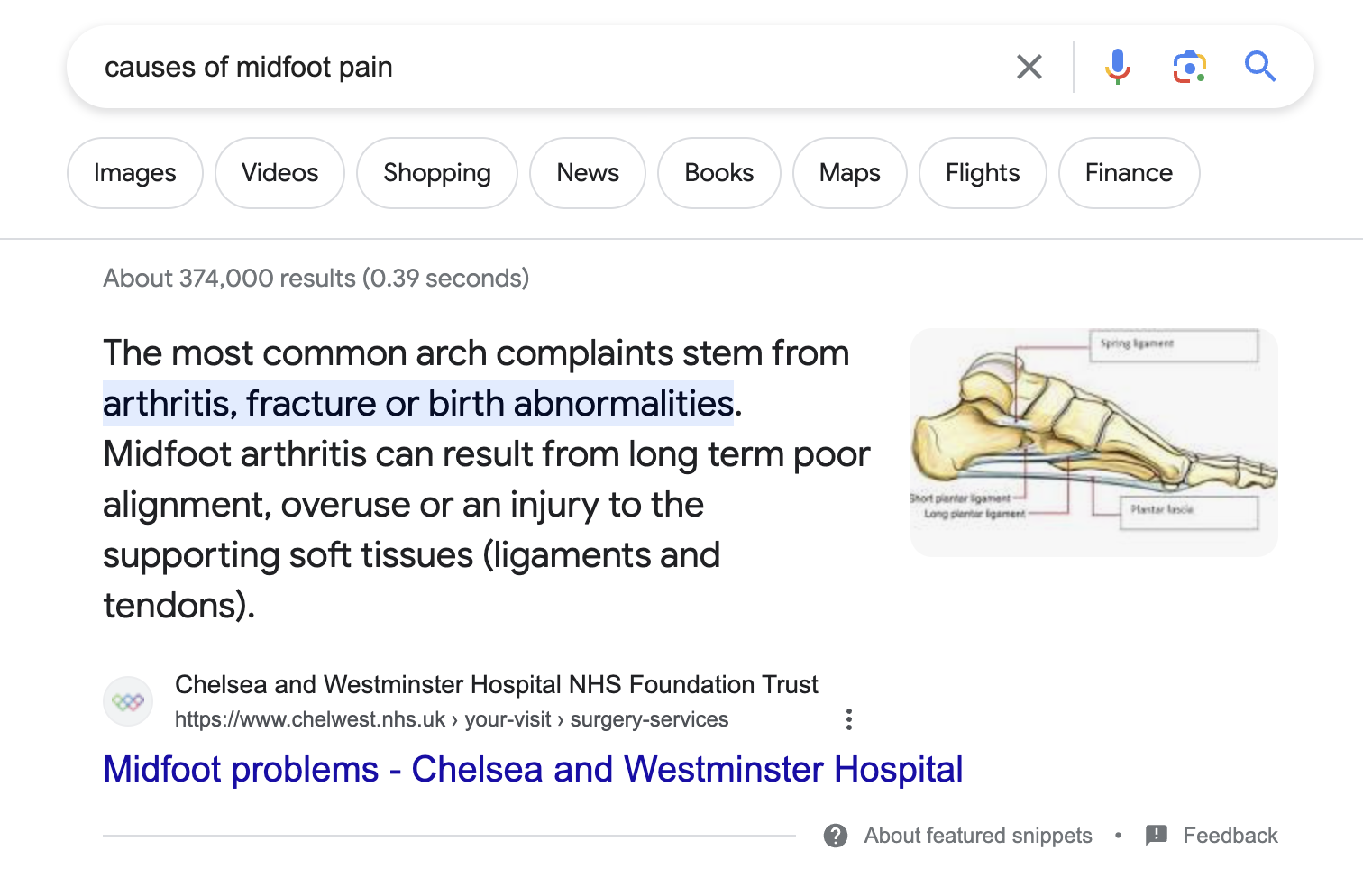
Photos: Google often includes images alongside the text in the Featured Snippet to enhance the user's understanding and provide a visual context. These images, typically sourced from the content page itself or sometimes from other relevant pages, aim to complement the information provided in the snippet.
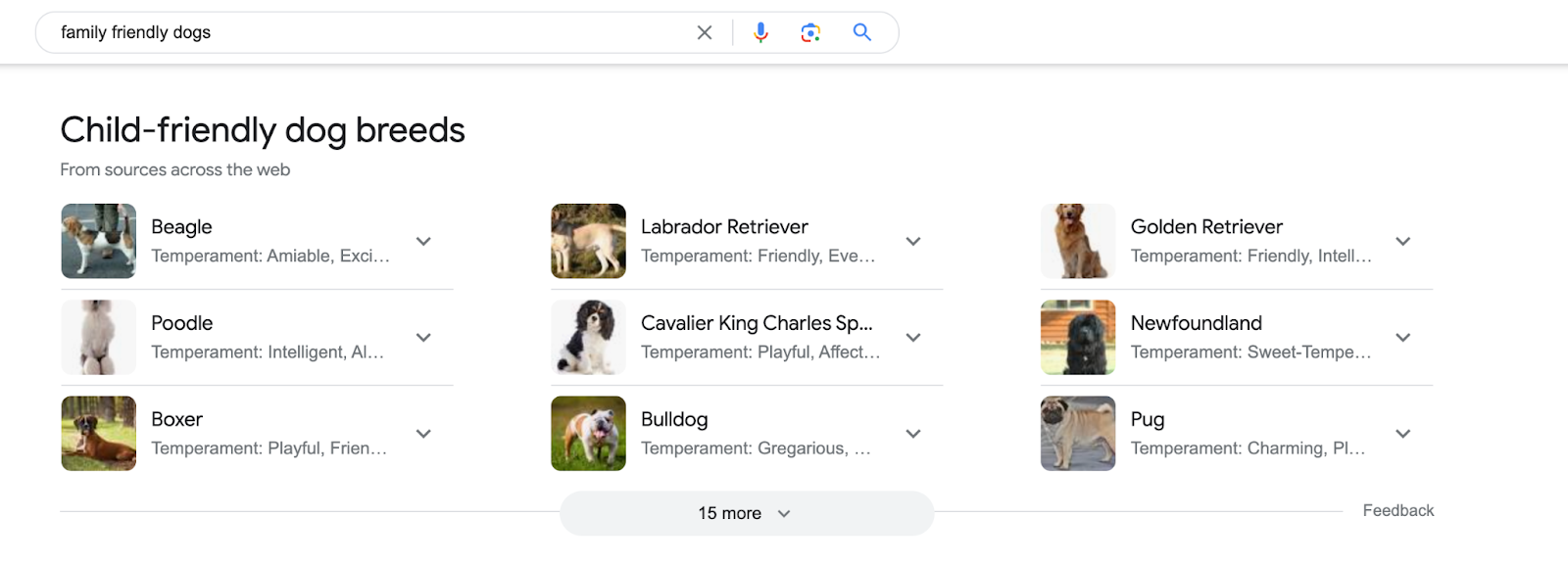
Numbered Lists: For content that involves step-by-step procedures or rankings, numbered lists come in handy. For instance, a search on "how to bake a cake" might display a snippet with a numbered list of baking steps.
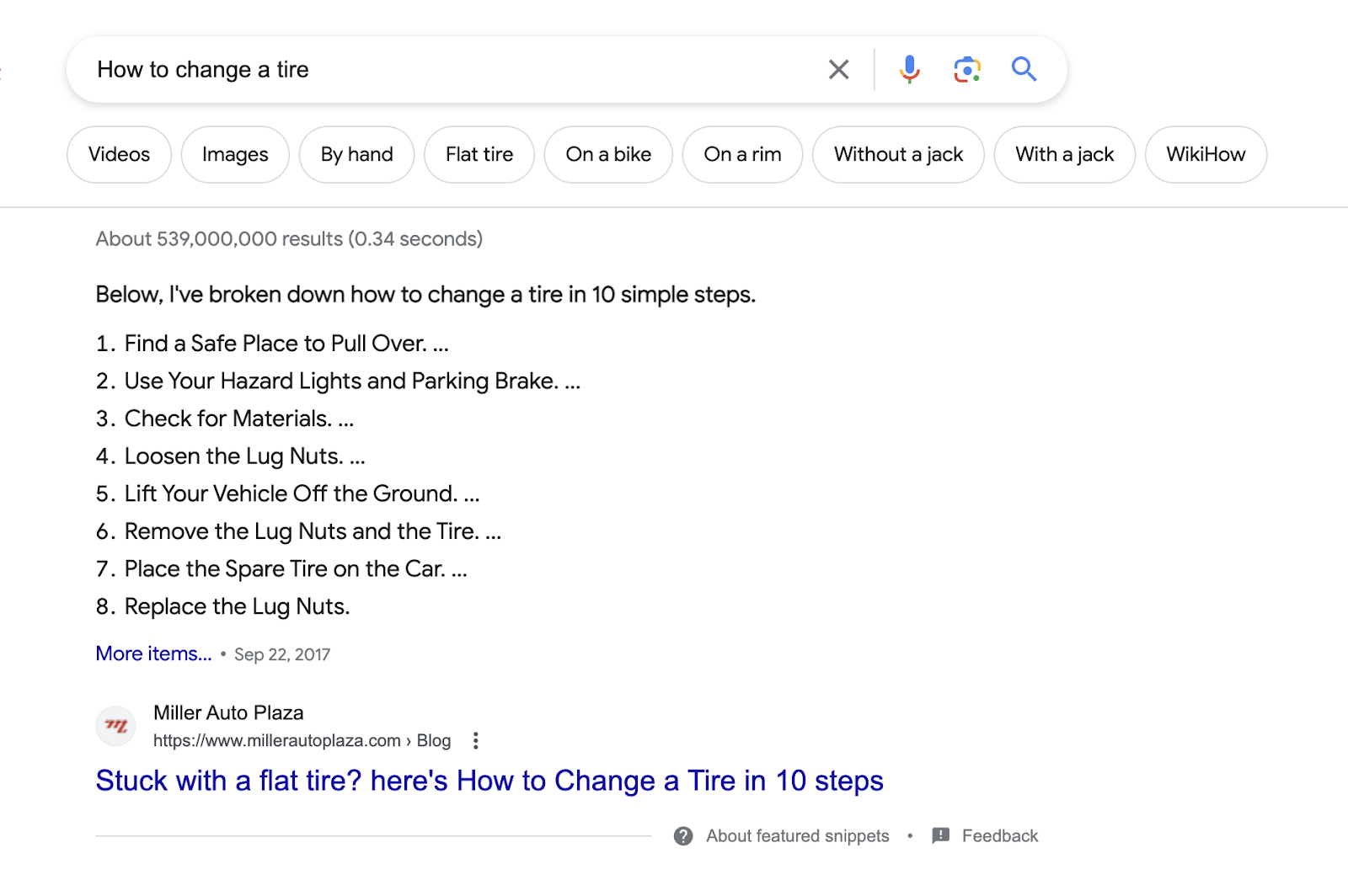
Bulleted Lists: These are used for non-ordered lists, often showcasing a set of items or tips related to the searcher's query.
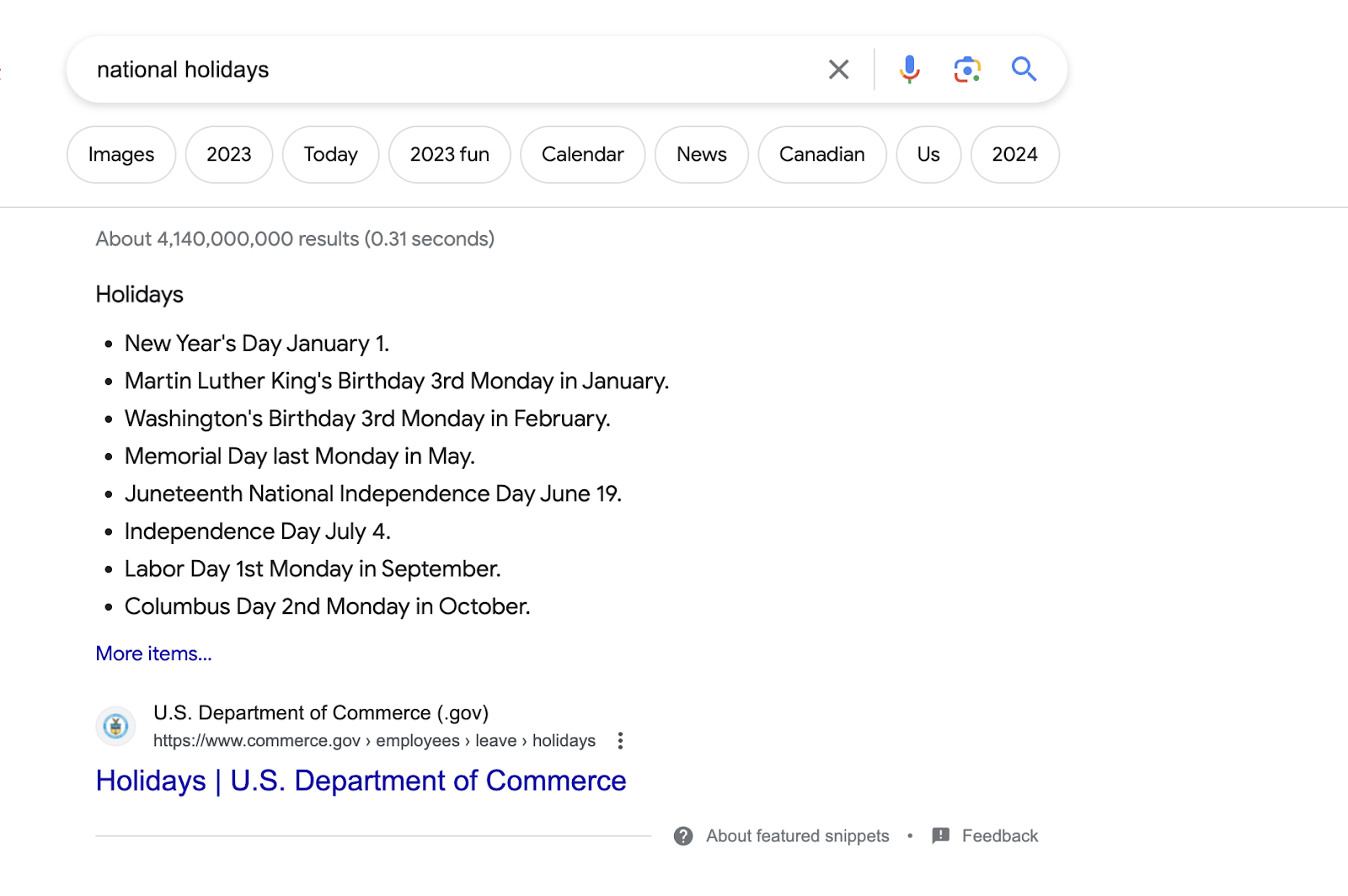
Tables: Useful for presenting structured data, tables are typically displayed for queries asking for comparison or statistical information.
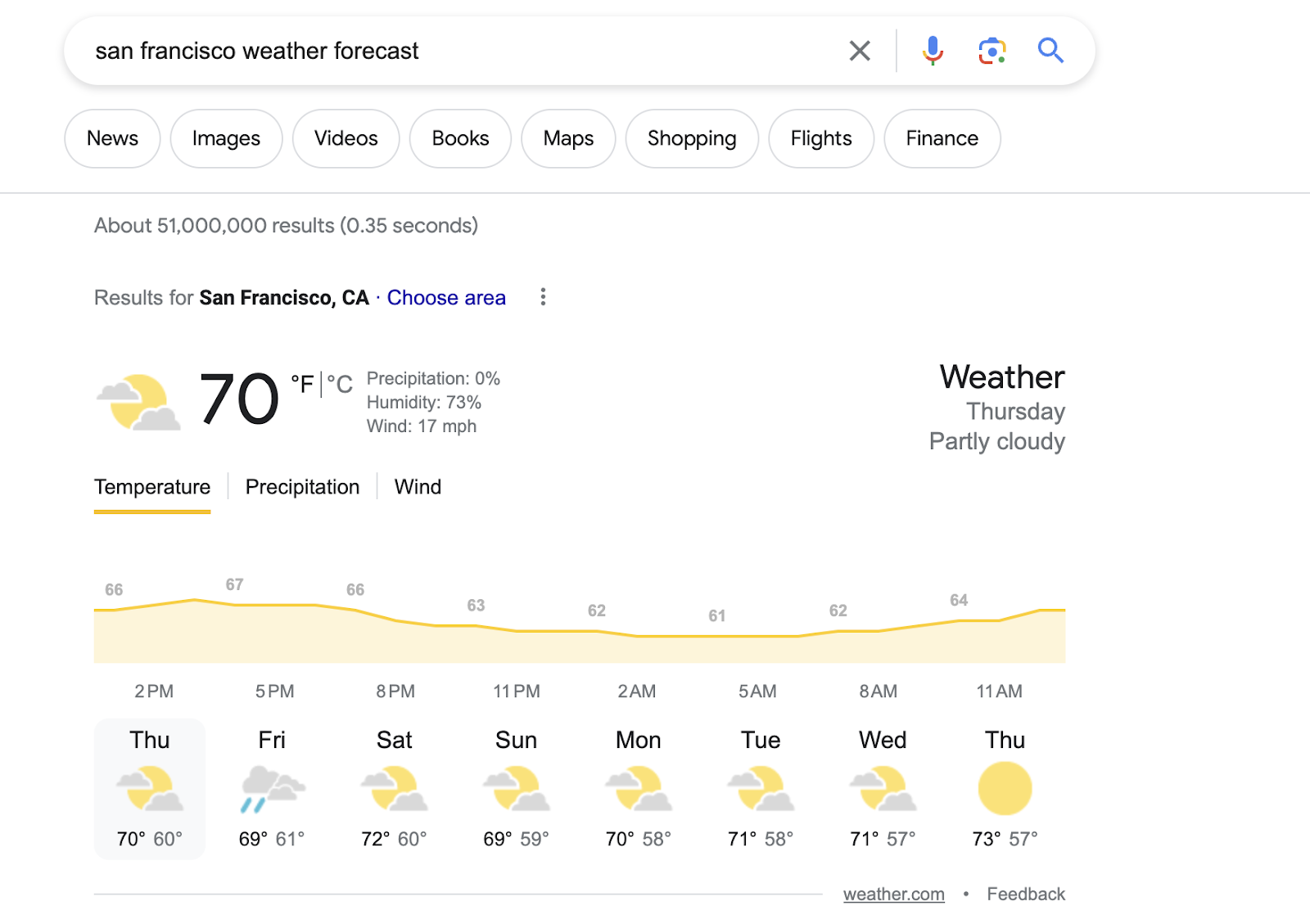
Videos: Sometimes, a video from a webpage might be displayed as the Featured Snippet, especially if it provides a concise and direct answer to the user's query.
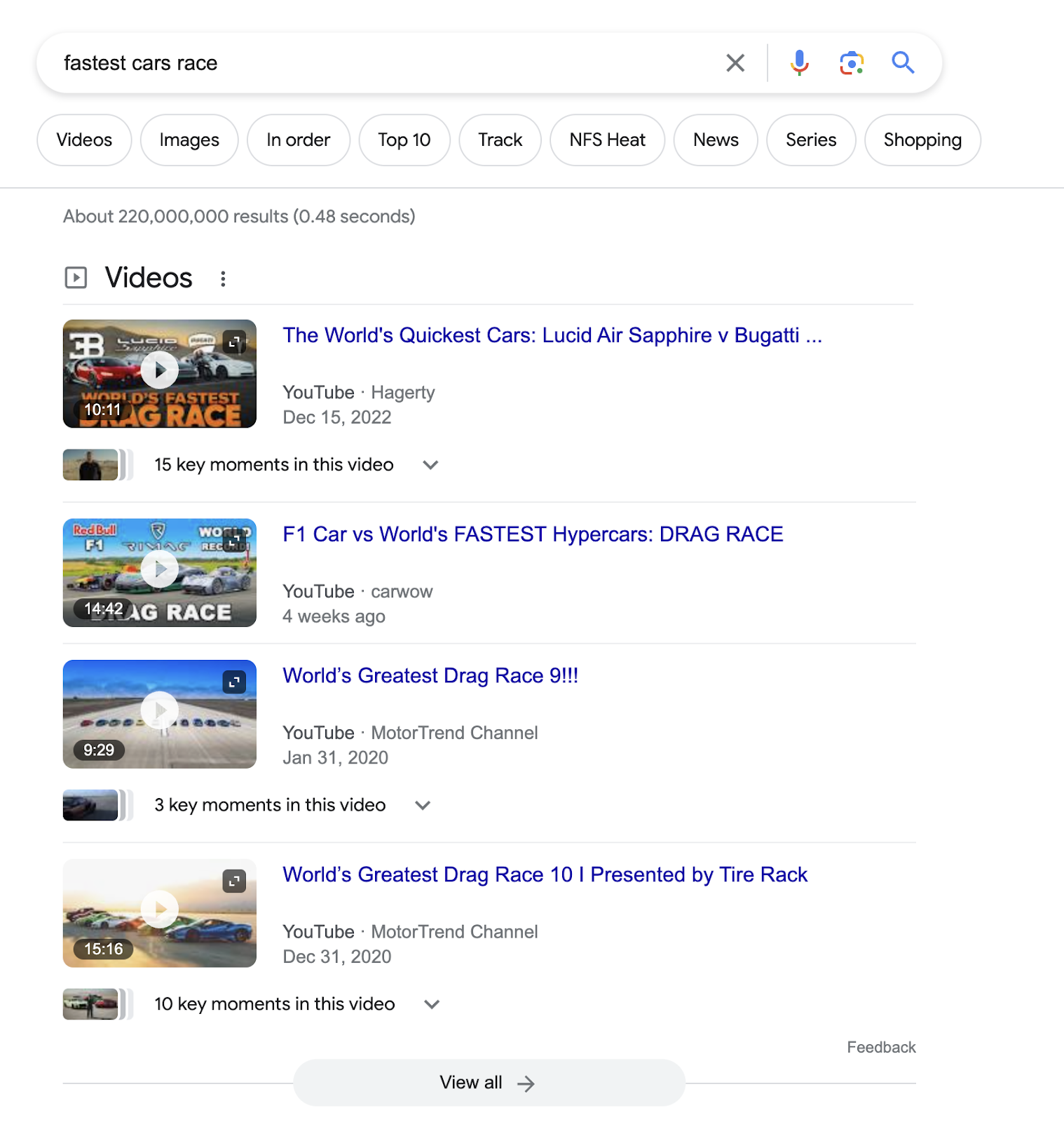
By understanding the different types of Google Featured Snippets, content creators can better tailor their material to fit these formats and increase the chances of being featured.
In the competitive world of SEO, having your content used as a Featured Snippet on Google can be a game-changer.
Optimizing your content and keywords for these snippets can dramatically enhance a website's online presence, driving more organic traffic and building credibility in the digital space.
Earning that prized "Position Zero" on Google’s SERP is no fluke. It requires a mix of high-quality content and strategic keyword and content optimization. Here's a roadmap to help you get your content in the running for Featured Snippets:
Merely optimizing for snippets isn't enough; monitoring their performance is equally crucial. Tools like SEMrush and Ahrefs allow you to track which of your targeted keywords are resulting in Featured Snippets. They also help in identifying opportunities where a snippet is up for grabs.
Monitor your CTR, and if you notice a drop despite having a Featured Snippet, it might be a sign to revisit and refine your content.
Google Featured Snippets represent a huge opportunity in SEO. They offer websites a chance to shine at the very top of search results, delivering direct answers to users and boosting credibility. By understanding the various types of snippets, recognizing their importance, and implementing strategic optimization techniques, any website can enhance its online visibility and increase organic traffic.
Featured Snippets increase your website's visibility in search results, position your brand as an authority in your industry, and drive more organic traffic to your site. For businesses, this means better brand awareness and potential for increased revenue.
Unlike standard search results that simply display a page title, URL, and meta description, Featured Snippets provide a direct answer from a website's content and are positioned at the very top of search results, commonly referred to as "Position Zero."
No, Google Featured Snippets are organically achieved based on the quality and relevance of your content. They aren't a paid feature; however, investing in high-quality content and SEO strategies can increase your chances of obtaining them.
While there's no guaranteed method, optimizing your content for clarity, relevance, and structure, and targeting question-based queries can increase your chances. Regular content audits and using SEO tools can also be beneficial.
Featured Snippets are part of organic search results. While they can influence the overall click-through rate of search results, they operate independently from paid ads. However, having both a Featured Snippet and a paid Google ad can enhance brand visibility.
The spot for a Featured Snippet is always up for grabs. If competitors produce more relevant or better-optimized content, they can replace your content in the snippet. Regular monitoring and content updates are crucial.
Success can be gauged through increased website traffic, higher click-through rates, improved brand visibility, and enhanced user engagement. Tools like Google Analytics, SEMrush, and Ahrefs can help monitor these metrics.
Begin with a content audit. Identify pieces that answer common industry questions or that rank on the first page but aren't yet in the Featured Snippet spot. Optimize these for clarity, structure, and relevance.
Conversion Rate Optimization, often abbreviated as CRO, is the practice of increasing the percentage of website visitors who take a desired action on a webpage or “convert” as we Marketers like to say. This action could range from making a purchase, filling out a form, signing up for a newsletter, or engaging with site content in a meaningful way. Many marketing leaders focus their attention on widening the funnel and increasing their volume of traffic, but by optimizing for conversions, businesses can enhance the value they receive from their audience without needing to increase traffic, thus making better use of existing resources.
Competition for your audience’s attention is fierce and Conversion Rate Optimization is a critical step to attracting and retaining your share-of-market. It not only improves the efficiency and effectiveness of your website, but also unearths insights about your audience. When a website is optimized for conversions, every visitor is more likely to take the desired action, which in turn, contributes to the business's goals. It not only reflects on the bottom line, but also on user satisfaction and engagement.
Calculating the Conversion Rate is straightforward—you divide the number of conversions by the total number of visitors and then multiply the result by 100 to get the percentage. This percentage, the Conversion Rate, serves as a measure of your site’s effectiveness in leading visitors to the desired action. Monitoring this rate over time can provide valuable insights into how well your optimization efforts are faring, and where there might be room for improvement.
The journey towards effective Conversion Rate Optimization involves several elements. It begins with understanding your audience's behavior and preferences. Data analysis and user feedback play crucial roles in forming a clear picture of what works and what doesn’t on your website. Furthermore, creating compelling and clear Calls-to-Action (CTAs), designing intuitive navigation, and providing value through content are indispensable components of CRO. Every touchpoint on a website should be scrutinized for its potential to drive conversions, making CRO a comprehensive, ongoing process rather than a one-time task.
The advantages of Conversion Rate Optimization (CRO) extend beyond merely boosting conversion rates.
CRO is a pathway to achieving a better return on investment (ROI) for every other marketing channel you’re engaged in—whether it’s advertising, SEO, email, or any other growth strategy. The web interactions that these channels generate can all be optimized by closely analyzing a user’s process and making it better. As for ROI, most marketing leaders are willing to spend immensely on their growth channels, but far less likely to put forward the comparatively minimal efforts and resources into CRO—a critical mistake.
The data collected through CRO efforts provides invaluable insights into user behavior and preferences. Nearly every aspect of a website can be tested, from core brand messaging to a CTA’s button placement and the learnings gained can teach you what your audience cares most about. For example, you could create three nearly identical pages, but with one single benefit statement swapped out for each page. By running traffic to these three pages, you can identify the “winner” and proceed with confidence in that messaging.
A website optimized for conversions invariably cultivates a more engaging user experience. By aligning webpage elements with user expectations and preferences, businesses increase the likelihood of interaction and engagement. Increased engagement often translates to higher conversion rates as visitors find value and relevance in the content and offers presented to them.
CRO lays the foundation for scalability. As conversion rates improve, marketing teams can expand their operations with the confidence that their digital assets are optimized to deliver desired outcomes. Marketers are often asked to “do more with less” and while this can often be an unfair request, CRO stretches a marketing team’s capabilities.
Embarking on the journey of Conversion Rate Optimization (CRO) requires a blend of analytical and creative approaches. Starting with a solid understanding of your audience and the goals of your website, you pave the way for a structured and impactful optimization process.
There are many tools that can help you conduct successful Conversion Rate Optimization campaigns. Many testing tools are already embedded into marketing software you likely use (your marketing automation platforms, advertising platforms, or website CMS). Here are some of the most popular tools:
It’s essential to begin testing pages that have both a significant amount of traffic and the greatest ability to impact on your company’s bottom-line. If you choose pages that rarely see traffic, it could take weeks or even months before the data you collect is conclusive. If you focus on pages that don't have a direct impact on your marketing goals, it could be difficult to obtain buy-in for future testing. Generally speaking, the following opportunities are great places to start:
After selecting CRO tools as well as the pages you would like to test, it’s time to make educated guesses about what will increase your conversion rate. We encourage marketers to write hypothesis statements like this:
Writing these statements will ensure that every test has a specific metric of measurement, and that success is clearly defined. It will also help you understand your priorities—if not all of these tests can be conducted at once, listing them will help you know which tests matter most to your company’s bottom line.
A/B testing stands as a cornerstone in the realm of CRO. It involves comparing two versions of a webpage to see which one performs better in terms of conversions. It’s critical to only change one element of the test page at a time, ensuring you know what specifically led to the results of your test. That said, you can select one element of a page (a CTA button’s copy, for example) and send traffic to 5 or 6 pages with different variations of that copy. After your test period is over, you will have a clearer idea of which messages were most successful.
Multivariate testing helps marketers systematically evaluate and optimize multiple elements on a webpage simultaneously. This approach involves testing various combinations of changes to elements like headlines, images, and call-to-action buttons to discern the most effective combination for improving conversions. Multivariate testing is particularly beneficial when marketers seek to understand how different elements interact with each other and impact user behavior. However, it may not be the ideal choice for smaller-scale campaigns or when there's a need for quick insights, as multivariate testing requires a larger sample size to yield statistically significant results.
The efficacy of your Calls-to-Action (CTAs) and forms significantly influences the conversion rate. A clear, compelling CTA can guide your visitors smoothly along the conversion path. It's imperative to use persuasive, action-oriented language, and a design that stands out yet remains cohesive with the overall site aesthetics. Similarly, forms should be intuitive, easy to fill out, and only ask for necessary information to reduce friction and encourage completion. A blend of compelling design, clear instructions, and an assurance of value or security can significantly elevate the performance of your CTAs and forms.
Social proof and lead magnets are potent tools in the CRO toolkit. Displaying testimonials, reviews, or social shares can build trust and persuade visitors to take the desired action. Lead magnets, on the other hand, offer something of value in exchange for contact information or other actions. Crafting enticing lead magnets that address your audience’s needs or pain points, and showcasing authentic social proof, can drastically improve your conversion rates.
Speed is of the essence. A slow-loading site can deter visitors and impede conversions. It's crucial to optimize site speed by minimizing HTTP requests, optimizing images, and leveraging browser caching among other tactics. Similarly, landing pages should be optimized for clarity, value proposition, and a clear path to conversion. A well-designed, fast-loading landing page that resonates with the visitor’s intent and provides a seamless user experience can significantly boost conversions.
Pay-per-click (PPC) campaigns are a significant driver of traffic. However, attracting visitors is only part of the equation. Conversion Rate Optimization (CRO) tailored for PPC campaigns is crucial to ensure that the traffic translates into desired actions.
A harmonized experience between PPC ads and the landing pages they lead to is essential for high conversion rates. Ensure that the messaging is consistent and that the landing page delivers on the promises made in the ad. A clear and compelling value proposition, coupled with a straightforward call to action, can significantly enhance the likelihood of conversions. Additionally, optimizing the landing page for speed, mobile responsiveness, and user-friendly navigation further supports a seamless user journey from the ad click to conversion.
Effective conversion tracking is paramount to measure the ROI of your PPC campaigns accurately. Utilize tracking tools and features provided by PPC platforms, such as Google Ads Conversion Tracking or Facebook Pixel. Implement tracking codes correctly on your website, and define conversion goals clearly. Analyzing the conversion data in conjunction with ad performance metrics provides a holistic view of your PPC campaign effectiveness. Over time, this analysis will guide data-driven optimizations to both your ads and landing pages, fostering better conversion rates and campaign ROI.
Conversion Rate Optimization (CRO) stands as a pivotal process in bolstering the effectiveness of your online presence. By honing in on user behavior and preferences, marketers can significantly enhance their site's ability to turn visitors into customers.
Conversion Rate Optimization (CRO) is a systematic process aimed at increasing the percentage of website visitors who take a desired action, such as making a purchase, signing up for a newsletter, or filling out a contact form.
CRO is essential as it helps maximize the value of your existing traffic, improve user experience, and enhance the ROI of your marketing efforts without the need to increase your advertising spend.
The Conversion Rate is calculated by dividing the number of conversions by the total number of visitors to your website and then multiplying the result by 100 to obtain a percentage.
Some popular CRO tools include Google Analytics, Hotjar, Optimizely, and Unbounce. These tools provide insights into user behavior, facilitate A/B testing, and help analyze conversion data.
Common methods include A/B testing, multivariate testing, usability testing, and creating compelling calls to action. Additionally, improving site speed, mobile responsiveness, and utilizing user feedback are vital for CRO.
Begin by identifying key pages or elements on your website that could influence conversions. Develop hypotheses, design tests, collect and analyze data, and then implement changes based on the insights garnered.
Landing pages play a crucial role in CRO as they are often the first point of interaction with potential customers. Optimizing landing pages for clarity, relevance, and ease of action can significantly boost conversion rates.
Enhancing CTAs involves using persuasive, action-oriented language, making them visually prominent, and ensuring they clearly communicate the value proposition to encourage users to take the desired action.
With a significant portion of internet usage on mobile devices, mobile optimization is crucial for CRO. It ensures a seamless user experience, which in turn, positively impacts conversion rates.
Success in CRO is typically measured by monitoring key metrics such as conversion rates, user engagement rates, bounce rates, and the ROI of marketing campaigns. Utilizing analytics tools and continuously analyzing performance data will provide insights into the effectiveness of your CRO strategies.
A conversion pixel is a small, often invisible, piece of code placed on a website that tracks user interactions after they click on a digital ad. Whether it’s a purchase, a sign-up, a web page visit, or any other form of engagement, the conversion pixel captures it and turns it into data marketers can use to see how effective their ads are in real-time and perform lower funnel remarketing campaigns.
Conversion pixels offer invaluable insights into customer behavior and ad performance. By understanding which ads lead to conversions, marketers can optimize their campaigns for better results, ensuring that every dollar spent on advertising is an investment toward measurable success.
When a user clicks on an ad and lands on a website, the conversion pixel, embedded in the website’s code, is triggered. This pixel then sends information back to the ad platform about the user's actions on the site. This could include various interactions such as filling out a form, completing a purchase, or downloading a brochure.
This process involves a smooth exchange of data, allowing for real-time tracking and analysis. By using conversion pixels, marketers gain a clear understanding of how users interact with their website after clicking an ad. This is one of the best tools to evaluate the effectiveness of ad campaigns and make informed decisions on future ad spend and strategy.
One of the most compelling benefits of using a conversion pixel is the significant increase in Return on Investment (ROI) and overall ad performance. By providing detailed insights into which ads are converting and at what rate, conversion pixels enable marketers to fine-tune their strategies. This optimization leads to more effective ad targeting, reducing wasted ad spend on audiences that do not convert and reallocating budget towards more profitable segments.
By tracking user interactions, these conversion pixels help in building detailed audience profiles based on real behaviors. This data is crucial for retargeting campaigns, where ads are specifically shown to users who have previously interacted with the website but did not convert.
What's more, this audience data can be used to create lookalike audiences—new groups of potential customers who share similar characteristics with those who have already converted.
This approach expands reach and drives engagement, by targeting users who are more likely to be interested in the product or service, based on the behavior of existing customers. The use of conversion pixels thus opens up new avenues for reaching and engaging with both existing and potential customers, enhancing the overall effectiveness of advertising campaigns.
Standard events refer to the common actions users take on a website that marketers often want to track. These include actions like making a purchase, signing up for a newsletter, or adding items to a cart. Conversion pixels designed for standard events are typically pre-defined by the advertising platforms and are easy to implement. They offer a straightforward way for marketers to begin tracking basic user interactions that are directly tied to their digital advertising efforts.
For more nuanced insights, custom events and conversions come into play. These are tailored to specific actions or series of actions that are unique to a particular business or marketing strategy. Custom conversion pixels allow marketers to go beyond standard tracking, providing the flexibility to monitor unique user interactions that are critical to their specific business goals.
Whether it's tracking how long a user watches a video, interaction with a specific feature on a site, or any other bespoke action, custom conversions offer a deeper level of understanding and engagement tracking. This customizability is crucial for businesses with unique conversion paths or specialized products and services.
Offsite conversions refer to user actions that occur outside of the website but are still important to track. These could include phone calls, app downloads, or in-store visits that are prompted by digital ads. Offsite conversion pixels are designed to capture these types of interactions, providing a more comprehensive view of how digital advertising influences customer behavior across different channels.
Tracking offsite conversions is key for businesses that have significant customer interactions outside of their website. It ensures that the full impact of digital advertising campaigns is measured, taking into account both online and offline customer engagement.
Implementing conversion pixels is not just about placing code on a website; it’s about strategic placement and usage to ensure accurate and meaningful data collection. Here are some best practices to maximize the effectiveness of conversion pixels:
Integrating conversion pixels with various advertising platforms is a crucial step in creating a cohesive digital marketing strategy. Let's explore how this integration works with some of the major platforms.
Integrating a conversion pixel with Facebook Ads involves using the Facebook Pixel, a powerful tool for tracking user actions on your website and optimizing Facebook advertising campaigns. The pixel helps in tracking conversions from Facebook ads, optimizing ads for better performance, building targeted audiences for future ads, and remarketing to people who have already taken some kind of action on your website. Setting up the Facebook Pixel correctly ensures that you can measure the effectiveness of your ads and understand the actions people are taking on your website. Learn more about setting up the Meta conversion pixel here.
For Google Ads, conversion tracking involves setting up a Google Ads conversion tracking tag or pixel on your website. This pixel enables you to see how effectively your ad clicks lead to valuable customer activity, such as website purchases, phone calls, app downloads, newsletter sign-ups, and more. The data gathered from the pixel is vital for understanding the ROI of your Google Ads and for making informed decisions on ad spend and strategy. Learn more about setting up the Google ads conversion pixel here.
The LinkedIn Insight Tag is a piece of lightweight JavaScript code that adds conversion tracking capabilities to LinkedIn ad campaigns. By adding the Insight Tag to your website, you can track conversions, retarget website visitors, and gain valuable insights about your LinkedIn ad campaigns’ audience. This data is essential for refining your targeting on LinkedIn and for understanding how your LinkedIn ads drive valuable actions on your website. Learn more about setting up the LinkedIn Insight Tag (conversion pixel) here.
For Pinterest, the Pinterest Tag is used to track the actions people take on your website after viewing your Pinterest ads. This tag allows you to see what people do on your website after they’ve seen your ads across Pinterest. The data collected from the Pinterest Tag is crucial for measuring the effectiveness of your Pinterest ads and for optimizing your Pinterest marketing strategy. Learn more about setting up the Pinterest Ads conversion pixel here.
Integrating conversion pixels with these platforms provides a comprehensive view of how each channel contributes to your overall marketing goals and helps in optimizing each platform's unique strengths.
Setting up a conversion pixel typically follows a similar process across various advertising platforms. Here’s a general step-by-step guide to get you started:
Even with careful setup, issues can arise with conversion pixels. Common problems include placing the pixel in the wrong section of the website, pixel not firing due to code errors, or discrepancies in conversion data. To troubleshoot, check the following:
Regular monitoring and testing are key to ensuring that your conversion pixels are working as intended and providing valuable data.
Conversion pixels provide invaluable insights into customer behavior and the effectiveness of online advertising campaigns. By accurately tracking conversions and user interactions, conversion pixels enable marketers to optimize their campaigns, increase ROI, and make data-driven decisions.
The integration of conversion pixels across various platforms like Facebook, Google AdWords, LinkedIn, and Pinterest offers a comprehensive view of marketing efforts, ensuring that each channel's contribution is effectively measured and optimized.
A conversion pixel is a small piece of code that you place on your website to track user interactions following an ad click. This helps in measuring the effectiveness of your digital advertising campaigns.
By tracking which ads lead to conversions, conversion pixels enable you to optimize your campaigns, target your ads more effectively, and allocate your budget more efficiently, thereby increasing your return on investment.
Absolutely. Conversion pixels collect data on user behavior on your website, which can be used to create retargeting campaigns that target users who have shown interest in your products or services but haven't converted yet.
Standard events are pre-defined actions like purchases or sign-ups, while custom events are specific to your business needs, like tracking interactions with a unique feature on your site.
Yes, you must be aware of and comply with privacy laws like GDPR and CCPA. Ensure your use of conversion pixels respects user privacy and data protection regulations.
You generate the pixel code from your ad platform, then place it on your website, typically in the header section or on specific pages where you want to track conversions. Testing is crucial to ensure it’s working correctly.
Yes, some conversion pixels can track offline events like phone calls or in-store visits that are influenced by digital ads, offering a holistic view of your advertising effectiveness.
It’s relatively straightforward. Each platform provides a step-by-step process for generating and placing their respective pixel codes on your website.
Avoid incorrect placement, ignoring code errors, not testing the pixel, and neglecting privacy compliance. Regular monitoring and testing are crucial.
Regularly. Continuous monitoring helps you make timely adjustments to your campaigns and stay informed about your ad performance and user interactions.
Churn rate, often referred to as customer attrition rate, is a critical performance metric for businesses, especially those operating in the subscription-based or retainer-based business models. It measures the percentage of customers or subscribers who cease their relationship with a company within a given period.
This metric is not merely a numeric representation but a reflection of customer satisfaction and product or service value. It serves as a diagnostic tool, helping businesses identify issues in customer retention and evaluate the effectiveness of their customer engagement strategies.
High churn rates can indicate underlying problems in a business, such as poor customer service, lack of product value, or ineffective marketing. Conversely, a low churn rate suggests strong customer loyalty and satisfaction, vital components of sustainable growth. By monitoring and analyzing churn rates, businesses can gain insights into customer behavior, refine their marketing and retention strategies, and ultimately enhance their revenue stream.
The formula for calculating churn rate is relatively straightforward —to determine your churn rate, you divide the number of customers lost during a specific period by the number of customers you had at the beginning of that period. The formula is often expressed as:
Churn Rate = (Number of Customers Lost during Period / Number of Customers at Start of Period) × 100
This calculation provides a percentage that represents the rate at which customers stop doing business with you.
Understanding the difference between gross churn and net churn is crucial for an accurate assessment of customer retention. Gross churn measures the total revenue lost from all customers who cancel or downgrade their services. It does not account for new or upgrading customers. Net churn, on the other hand, considers the revenue lost from churned customers, offset by the revenue gained from new or upgrading customers. It provides a more comprehensive view of how churn impacts the overall revenue.
The distinction between customer churn and revenue churn is also significant. Customer churn refers to the percentage of customers who stop using a company's products or services. In contrast, revenue churn measures the loss of revenue due to customers leaving or downgrading. For businesses with a varied customer base or tiered pricing models, revenue churn can be more insightful than customer churn, as it reflects the actual financial impact of customer turnover.
Churn MRR is a specific type of revenue churn used by subscription-based businesses. It calculates the monthly recurring revenue lost due to churn. This metric is vital for understanding how churn affects a company's predictable revenue stream and can be crucial for making informed financial and strategic decisions.
Several key elements often lead to increased churn rates:
Effective churn analysis typically includes:
By thoroughly analyzing churn, businesses can gain actionable insights that lead to more effective customer retention strategies and overall business improvement.
Interpreting churn rate and customer attrition involves more than just understanding the numbers. It requires a deep dive into what these figures signify for the business's health and future strategies. Key aspects include:
Determining what constitutes a "good" churn rate depends on several factors, including industry standards, business models, and the maturity of the company. However, some general guidelines can provide context:
Knowing some of the common culprits for churn (as listed above), you can proactively deploy several strategies to minimize customer attrition:
The analysis of churn rates in B2B (Business-to-Business) and B2C (Business-to-Consumer) reveals distinct differences due to the varying nature of customer relationships and sales cycles in these domains.
Exploring real-world examples helps in understanding how churn rate impacts businesses and the strategies they employ to manage it. With acknowledgement that companies do not always publish their churn rate, here are a few examples with churn rate estimates:
These examples illustrate how different businesses experience and address churn, highlighting the importance of industry-specific strategies and continuous innovation in customer engagement.
Understanding and analyzing churn rate helps in identifying the strengths and weaknesses of a business's customer relationship strategies. The importance of contextual analysis cannot be overstated, as churn rates vary significantly across industries and business models.
To effectively manage and reduce churn, businesses must focus on enhancing customer experience, understanding customer needs, and continuously innovating their products and services. Employing targeted strategies based on churn analysis, such as improving customer support, personalizing experiences, and leveraging predictive analytics, can lead to significant improvements in customer loyalty and long-term profitability.
Churn rate measures the percentage of customers who stop using a business's products or services over a given period. It's crucial as it reflects customer satisfaction and the effectiveness of retention strategies.
You can calculate churn rate by dividing the number of customers lost during a period by the number at the start of that period, then multiply by 100 to get a percentage.
Customer churn measures the percentage of lost customers, while revenue churn tracks the loss of revenue due to these customers leaving or downgrading.
Customers churn for various reasons, including dissatisfaction with the product or service, better offers from competitors, pricing issues, or changes in their own needs or circumstances.
Businesses can reduce churn by improving customer service, personalizing experiences, offering flexible pricing, engaging customers regularly, and acting on feedback.
Excellent customer service can significantly improve customer satisfaction and loyalty, thereby reducing churn rate.
While generally unfavorable, a high churn rate can also indicate opportunities for improvement or market shifts, prompting businesses to innovate and adapt.
Predictive analytics can identify at-risk customers, allowing businesses to proactively address their concerns and potentially prevent them from leaving.
A good churn rate varies by industry and business model but is generally one that aligns with the company's strategic goals and allows for sustainable growth.
B2B churn rates are often lower due to longer sales cycles and contractual agreements, while B2C churn rates can be higher due to the ease of switching services and higher competition.
Brand recall represents the ability of a consumer to recognize and remember a brand under different conditions. This concept plays a pivotal role in a brand's market presence and consumer perception. When a brand is easily recalled, it signifies a strong connection with its audience, often leading to higher consumer trust and increased brand loyalty.
Understanding and measuring brand recall is crucial for businesses. It provides insights into how memorable and influential their brand is in the minds of consumers. In an era where brand differentiation is key to success, being top-of-mind can be a major competitive advantage. It's not just about being known; it's about being thought of first when a consumer is ready to make a purchase.
The 95-5 principle in marketing reveals a crucial insight: 95% of potential buyers are not ready to make a purchase immediately, but will likely be in the market in the future. This underscores the importance of brand recall as a strategic focus.
For the 95% who are not currently purchasing (those who are “out-market”), strong brand recall ensures that when they transition to being 'in-market', your brand is at the forefront of their minds. This is where the ability of a consumer to remember your brand without prompts becomes a powerful tool.
It’s about creating a lasting impression that endures beyond immediate buying cycles. The goal is to be the first brand that consumers think of, not just when they need a product immediately, but also when they become ready to purchase in the future.
Branded search volume is a critical metric for assessing brand recall. It involves monitoring the frequency with which consumers search for your brand or related keywords on search engines. A high volume of branded searches indicates strong brand recall, as it shows that consumers remember your brand and actively seek it out.
Social media mentions and engagement serve as another vital metric. By tracking how often your brand is mentioned across social platforms and the nature of these interactions, you can measure the extent of your brand's presence in public conversations. Engagements such as likes, shares, and comments further reveal the resonance your brand has with its audience. This metric is not just about quantity but also the quality of interactions, reflecting the depth of your brand's impact.
Website traffic analysis involves examining the number of visitors to your brand's website, their behavior patterns, and how they interact with your content. High traffic volumes, especially direct visits, indicate strong brand recall, as it suggests that consumers remember your brand and choose to visit your website directly. Analyzing visitor behavior on your site can also provide insights into which aspects of your brand are most appealing and memorable to your audience.
Brands need to be remembered for something specific—they need a strong, opinionated position. A well-told brand story not only engages and entertains but also fosters an emotional connection with your audience, leading to higher recall. By weaving your brand's values, mission, and unique selling propositions into compelling narratives, you can make a lasting impression that stands out in a crowded marketplace.
Remarketing campaigns are an important recall strategy. They involve targeting users who have previously interacted with your brand, with tailored ads to remind them of your products or services. This continuous engagement helps keep your brand top-of-mind and encourages repeat visits and conversions. Remarketing can be particularly effective because it targets users who are already familiar with your brand, thereby reinforcing their recall and association with your brand.
By ensuring that your brand ranks high in search engine results for relevant keywords, you increase the likelihood of your brand being seen and remembered. Effective SEO strategies not only improve visibility but also help in building credibility and trust, which are essential components of brand recall. Remember, the easier it is for potential customers to find you, the more likely they are to remember you.
Implementing web analytics effectively is key to understanding and improving brand recall. Here are some best practices:
Enhancing brand recall is all about creating meaningful, memorable interactions. These strategies, underpinned by the best practices in implementing web analytics, empower businesses to not only measure brand recall but to actively shape it.
Your company’s ability to stand out in the minds of consumers is more crucial than ever. By focusing on brand recall, companies can ensure that their brand resonates with customers, fostering loyalty and driving growth.
Brand recall refers to the ability of a consumer to recognize and remember a brand without any significant prompts. It measures how memorable and impactful your brand is in the consumer's mind.
Strong brand recall means your brand is likely the first to come to mind in a buying situation, leading to increased brand loyalty and higher chances of consumer choice.
High volumes of branded search referrals indicate strong brand recall, as it shows that consumers are specifically searching for your brand, implying they remember and prefer it.
Yes, an active and engaging social media presence can significantly enhance brand recall. The more consumers interact with your brand on social platforms, the more likely they are to remember it.
SEO helps in making your brand more visible on search engines. The easier it is for people to find you online, the more likely they are to recall your brand.
Web analytics provide insights into how consumers interact with your brand online. By understanding these interactions, you can tailor your strategies to enhance brand recall.
Narrative marketing involves telling your brand's story in an engaging way. A compelling narrative can create a memorable brand experience, thereby improving brand recall.
Remarketing campaigns are highly effective in reinforcing brand recall. By targeting consumers who have previously interacted with your brand, these campaigns keep your brand's message and identity fresh in their minds, increasing the likelihood of recall and subsequent engagement.
When implementing web analytics for brand recall, focus on metrics that indicate brand awareness and engagement, such as time spent on the website, repeat visits, branded search volume, and user interactions on social media. Understanding these metrics can help tailor content and strategies to boost brand recall.
Regular analysis of brand recall metrics is crucial for timely strategy adjustments. A monthly or quarterly review is recommended, depending on the scale of the business and the dynamics of the industry, to monitor trends and measure the impact of marketing efforts on brand recall.
Gympass is an all-in-one employee benefit that provides flexible access to a huge selection of gyms, studios, classes, training and wellness apps.
Gympass approached us for a strategic partnership to enhance their current strategy and contribute insights for future endeavors. Their objective was to establish themselves as a leading information resource for HR specialists. This required the development of substantial content aimed at ranking for high-difficulty keywords and accruing backlinks.
Our initial analysis revealed that Gympass' website had a strong domain rating but lacked a sufficient number of backlinks. We recognized the potential for a robust SEO strategy by focusing on acquiring quality backlinks, implementing optimizations and technical improvements, and producing outstanding content.
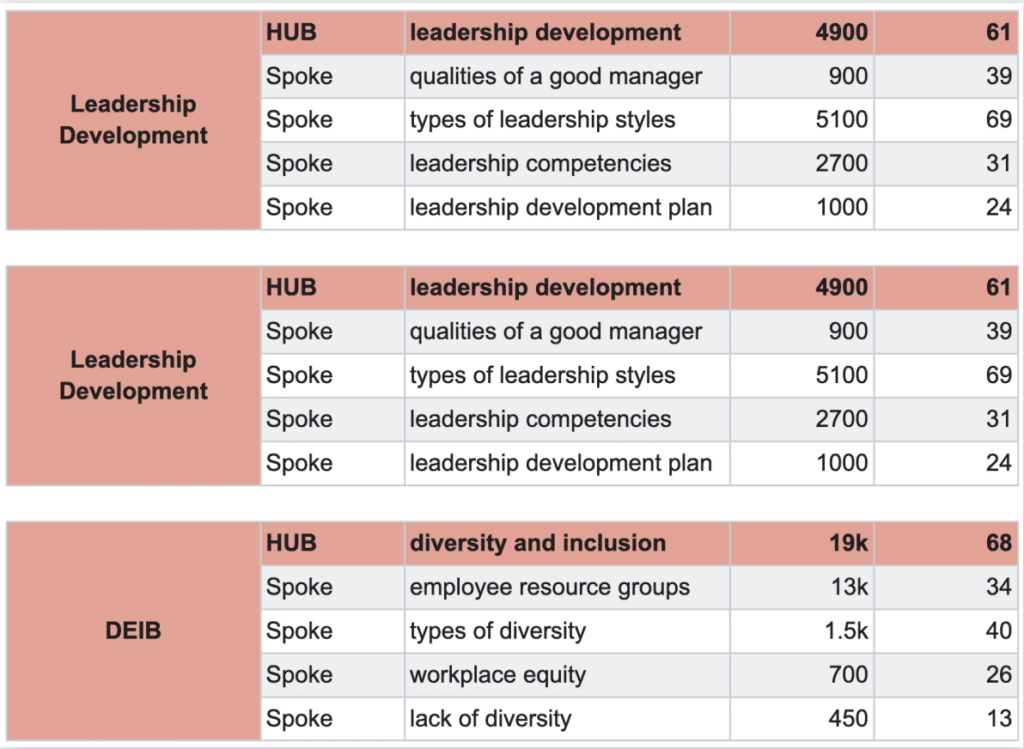
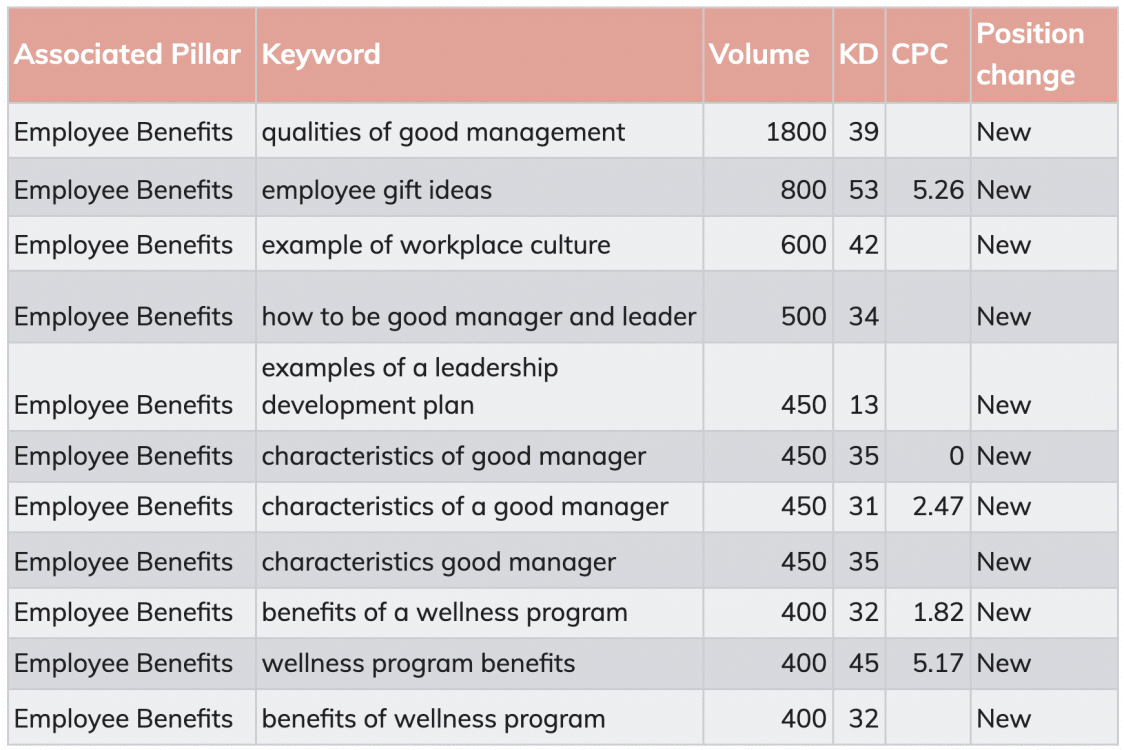
We opted for a hub and spoke model for content creation, focusing on internal linking to boost page authority. We built out a 3-month plan to produce 28 content pieces monthly, including 2 hubs and 26 spokes, ensuring a minimum of 3-5 spokes per hub. Our content selection was driven by high-volume keywords to maximize audience reach.
Internal linking works to boost authority to target pages by having pages with similar topics point to one page as an authority. A hub and spoke strategy would allow us to create content strategically in groups to maximize internal linking potential and boost key pages faster.
Each piece of content would be written with various organic tactics in mind to be competitive on the SERP, provide helpful content for the user, and maximize the page’s ranking potential.
Working in close collaboration with Gympass to align with their objectives and refine our strategy, we've achieved notable success in producing high-quality content. This content ranks prominently in the SERPs for strategically selected competitive keywords. Our accomplishments include the publication of 61 pieces of live content, the attainment of 193 keyword rankings, and the acquisition of 70 organic backlinks.
A/B testing is a user experience research method testing the difference in outcomes between two or more variants.
A/B testing can be applied to almost anything - a website, online ad, or email headline. By comparing how users respond to two versions of a webpage or marketing asset, version A and version B, marketers can make data-driven decisions to improve strategy.
A/B testing allows businesses to improve conversion rates, reduce bounce rates, and increase user engagement. It provides actionable data that informs future marketing campaigns and helps optimize budget allocation.
One of the primary benefits of A/B testing is its ability to improve conversion rates. By systematically testing different variations of elements on your website or advertisement—such as headlines, call-to-action buttons, and visuals—you can determine which variation resonates better with your audience. Through this process, you can make data-backed changes that lead to higher conversion rates and, ultimately, improved marketing return on investment (ROI).
Bounce rate refers to the percentage of visitors who leave a website without engaging further. A high bounce rate indicates a lack of relevance or an unappealing user experience. A/B testing enables you to identify the factors contributing to a high bounce rate and make necessary modifications. You may test different layouts, navigation options, and content placement to tailor a user’s experience and keep them on your site for longer.
Engaging site visitors is key to building a loyal customer base. A/B testing allows you to experiment with what drives user engagement. By testing variables like interactive elements, content formats, and personalized recommendations, you can identify the elements that resonate most with your audience, resulting in increased user engagement and interaction.
A/B testing provides actionable data that can guide your marketing strategies. Test results can provide valuable insight into customer preferences and behavior. These insights, recorded in buyer personas, can inform future campaigns, enabling you to create more targeted and effective messaging, appeal to specific segments of your audience, and improve ROI.
Budget allocation, particularly for advertising, can feel mysterious. Using systematic A/B testing, you can confidently redirect budgets to the highest-performing version of an ad or site. The time and expense of an A/B test are well worth the investment to wisely optimize marketing budgets going forward.
To make the most of your A/B testing, follow these best practices:
Don't limit your A/B testing to just one aspect of your marketing strategy. Experiment with different elements such as headlines, images, button placements, or even entire landing pages to uncover new opportunities for optimization.
However, be careful not to change more than one variable per test. Testing multiple elements will make it unclear which change led to the result.
Ensure that your sample sizes are large enough to provide statistically significant results. Smaller sample sizes can lead to unreliable data and inaccurate conclusions.
With that being said, gathering data from a large sample size will require more time and money than from a smaller sample size.
As for calculating what that sample size may be? This requires some statistics and, to do it right, previous data about the variability of whatever metric you’re measuring.
Fortunately, there are lots of tools available to calculate all this for you. At 97th Floor we rely on VWO, a software company built entirely to help marketers complete experiments and optimize for conversions.
Be cautious about changing multiple elements at once, as it can make it difficult to determine which specific change influenced the results. Additionally, avoid premature conclusions based on short testing durations. Give your tests enough time to gather sufficient data for analysis.
The A/B testing process typically involves the following steps:
Before beginning any A/B test, it is crucial to establish clear and measurable goals. Determine the specific metrics you want to improve, such as click-through rates, conversion rates, or average order value. By setting clear goals, you can monitor your progress and assess the effectiveness of your tests accurately.
Next, identify the elements you want to test within your digital marketing campaign. These elements could include headlines, call-to-action buttons, landing page layouts, imagery, or even color schemes, and more! Remember to choose elements that align with your goals and have the potential to make a significant impact on your desired metrics.
Once you have identified the elements to test, it's time to create hypotheses. Hypotheses are educated guesses about the potential impact that altering specific elements may have on your desired metrics. For example, you may hypothesize that a more prominent call-to-action button will increase conversion rates. The clearer and more specific your hypotheses, the easier it will be to measure and interpret your results.
With your hypotheses in mind, it's time to create variants for your A/B test. Develop alternate versions of the elements you identified in step 2. Ensure that each variant represents a different approach or change from the original. For example, if you are testing headlines, create different versions with varying tones, lengths, or messaging.
Before launching your A/B test, it is essential to ensure that your test groups are randomized. Randomization helps eliminate bias and ensures accurate results. Divide your audience into two or more groups, with each group receiving a different variant. Make sure each group is similar in size, characteristics, and behavior. Deploy the test and start collecting data.
Collecting data is at the core of A/B testing. Monitor the performance of each variant over a period of time, paying close attention to the metrics you established as your goals. Use robust analytics tools to track and measure user behavior, conversions, and engagement. The larger the sample size and the longer the duration of the test, the more reliable and accurate your results will be.
After gathering sufficient data, it's time to analyze the results of your A/B test. Compare the performance of each variant against your established goals. Determine if any statistically significant differences exist between the variants. Statistical significance will indicate whether the observed differences are genuinely the result of the changes you made or merely due to chance.
Again, this is a spot where it is really great to have a tool like VWO.
Based on your analysis, identify the winning variant that outperformed the others in achieving your goals. Implement the winning variant into your digital marketing campaign, replacing the original element you were testing. By doing so, you can ensure that you are continuously optimizing your campaigns and maximizing your marketing efforts.
VWO offers a suite of conversion optimization tools, including A/B testing, heatmaps, and user behavior analysis. Its drag-and-drop editor and robust targeting options enable you to test and refine your digital marketing campaigns effectively.
Trusted by leading brands, Optimizely provides a comprehensive platform for A/B testing and personalization. With its visual editor and advanced targeting capabilities, you can effortlessly create and run experiments across different channels, including websites, mobile apps, and email campaigns.
Known for its heatmap and scroll map features, Crazy Egg allows you to visualize user behavior and identify areas for improvement on your website. By understanding how users interact with your pages, you can make informed decisions about where to focus your A/B testing efforts.
A/B testing is an indispensable tool for marketers seeking to optimize their digital marketing efforts.
By following the procedure outlined in this article, marketers can elevate their campaigns to new heights and achieve their objectives with confidence. Look at you go.
A/B testing, also known as split testing, is a method used in digital marketing to compare two different versions of a web page or marketing asset. It works by dividing the audience into two groups and exposing each group to one version (A or B) of the asset. The performance of each version is then measured based on specific metrics, such as click-through rates or conversions. By analyzing the results, marketers can determine which version performs better and make data-driven decisions to optimize their marketing strategies.
A/B testing offers several benefits for marketers. It helps improve conversion rates, reduce bounce rates, increase user engagement, and optimize overall marketing return on investment (ROI). By testing different elements, marketers can gain valuable insights into customer preferences, behavior, and preferences, which allows them to create more targeted and effective messaging for specific segments of the audience.
A/B testing allows marketers to identify which variations of marketing assets or web pages resonate better with the audience, leading to higher conversion rates. By systematically testing different elements like headlines, visuals, and call-to-action buttons, marketers can make data-backed changes that drive better results and ultimately improve the overall marketing ROI.
A high bounce rate indicates that visitors are leaving a website without further engagement. A/B testing helps in reducing bounce rates by identifying factors that contribute to a poor user experience. By testing different layouts, navigation options, and content placement, marketers can optimize their websites to provide a more engaging and relevant user experience, encouraging visitors to stay longer and explore further.
Yes, A/B testing can increase user engagement with marketing content. By experimenting with various interactive elements, content formats, and personalized recommendations, marketers can identify which elements resonate most with their audience. By implementing successful variations, they can drive higher user engagement and interaction with their content.
A/B testing provides actionable data by presenting clear and measurable results for each tested variation. Marketers can analyze the data to gain valuable insights into customer preferences and behavior. This data guides future marketing campaigns, enabling marketers to create more targeted messaging and optimize their strategies based on evidence.
Some best practices for conducting A/B tests include testing various elements to uncover new opportunities, ensuring sample sizes are large enough for statistically significant results, avoiding changing multiple elements at once to identify specific influences, and allowing sufficient time for tests to gather reliable data.
The A/B testing process involves setting clear goals, identifying test elements, formulating hypotheses, creating variants, randomizing and deploying the test, collecting data, analyzing results for statistical significance, and implementing the winning variant into the marketing campaign.
To analyze the results of an A/B test, marketers compare the performance of each variant against the established goals. They assess whether any statistically significant differences exist between the variants. Statistical significance helps determine whether the observed differences are genuinely the result of the changes made or merely due to chance.
Zhou Nutrition is a supplements company committed to combining nature’s nutrients with science-backed formulas, offering a line of clean supplements to support an active lifestyle.
Zhou Nutrition’s products were about to perform a geographic test-launch in Target. In order to show their worth to the retailer, Zhou Nutrition wanted to boost sales not only through e-commerce, but also in-store Target, a digital campaign that can be challenging to track.
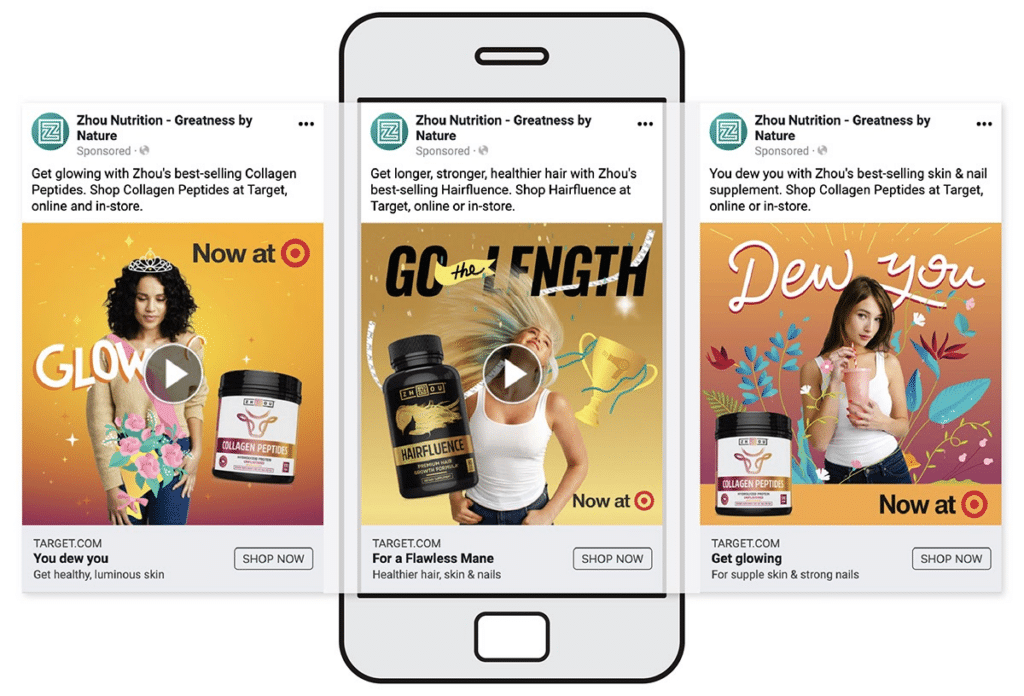

97th Floor targeted 430+ stores and created 160+ ad sets. As part of these ad sets, we targeted those individuals that lived or were recently in an area around the stores that Zhou’s products were in. $30,000 in ad spend was budgeted for these 433 locations meaning that each location only got $4.62 in daily ad spend.
In addition to this geotargeting, we retargeted women who were on customer purchase lists we got from Zhou and we also created a lookalike audience from those lists.
As the campaigns were running, we further optimized them by identifying underperforming stores & locations, shutting off low performers, and re-allocating budget from low performers to top performing segments.
These launched campaigns and optimizations resulted in week-over-week improvements in click-through rates and costs-per-click. Partnering with Zhou Nutrition’s partner at Target, we were also able to track improvements in foot traffic and in-store sales at Target.
Zhou Nutrition’s geo-targeted Target campaigns yielded profitable sales for Zhou Nutrition, while also leading to increases in non-Zhou Nutrition products, thus strengthening the relationship with Target.
"Choosing 97th Floor has been an unwavering decision for me since working with them at Algorithmia. Their consistent commitment to innovation, unparalleled expertise, and a results-driven approach (focusing on leads and bottom line performance) make 97th Floor not just an agency but a strategic partner for SEO and Paid Advertising. Their dedication to exceeding expectations is why I choose to continue this impactful journey with them, time and time again." – Jonah-Kai Hancock Vice President of Demand Generation
Hiya is the developer of a caller identification application designed to offer a better phone experience to mobile users worldwide. The company's services identify unknown numbers and automatically block scam and spam threats across the globe, enabling users to stay protected and block unwanted calls.
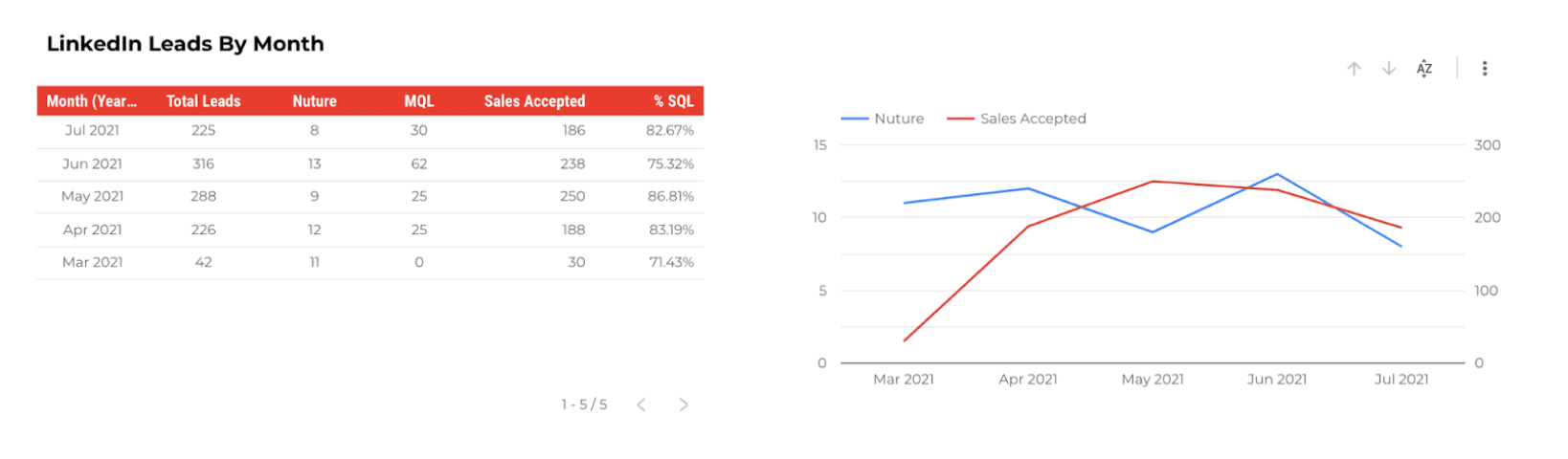
Hiya came to 97th Floor as a startup shortly after they had received series A funding. While Hiya had a stronghold in the consumer market, they needed help developing a lead generation strategy for their new B2B product offering.
97th Floor’s initial audit revealed that existing LinkedIn Ad campaigns were inefficient due to a lack of persona-specific ads and content. Two campaign types - one based on job title and another targeting specific companies- were blended together, prohibiting Hiya from speaking directly to one persona or the other. The generic, broad ads couldn’t cut through the noise to reach end users. We took the following actions:

Within 5 months of re-launching ads, the Hiya and 97th Floor teams recorded the company’s highest-ever B2B Marketing Qualified Lead (MQL) volume, highest-ever Sales Accepted Leads (SAL) rate, and lowest-ever Cost Per Conversion.
EOS is a beauty and skincare company that uses playful design, sustainable ingredients, and delicious flavors to deliver products that feel like a treat for their consumers.
EOS is a highly creative brand with fun content, but when they came to 97th Floor they weren’t leveraging their audience to maximize website conversions. EOS needed real customer personas, a well-defined buyer journey, and an massive increase in awareness.

Using a series of tools and customer data analytics, 97th Floor built five EOS consumer personas. Each persona included personality traits, concerns, risks, influences, an analysis of the buyer’s current status with EOS, and solutions for improvement.
This in-depth analysis led to a full-funnel strategy, including launching on new platforms. Our research also inspired us to craft persona-focused messaging. For example, our discovery that certain personas were interested in astrology led to an entire zodiac signs campaign and targeting based on birth month.
This small but powerful insight paired with gorgeous, intentional design made for incredible performance.
When first launched, we only spent 4.1% of our Facebook budget on Zodiac ads. Despite that, 42.5% of EOS' total purchases came through Facebook during that time. These ads drove action with the highest volume of purchases and the highest historic ROAS. They encouraged engagement with 22.9% of our Facebook comments and 10.1% of our Facebook shares. Due to high performance, we allocated more budget for these ads.
