Build strategic content that helps LLMs recognize your brand as the trusted answer.
Design a site architecture that makes your expertise easy for AI to understand and surface.
Strengthen authority through brand mentions, backlinks, and citations that boost visibility in AI-driven results.
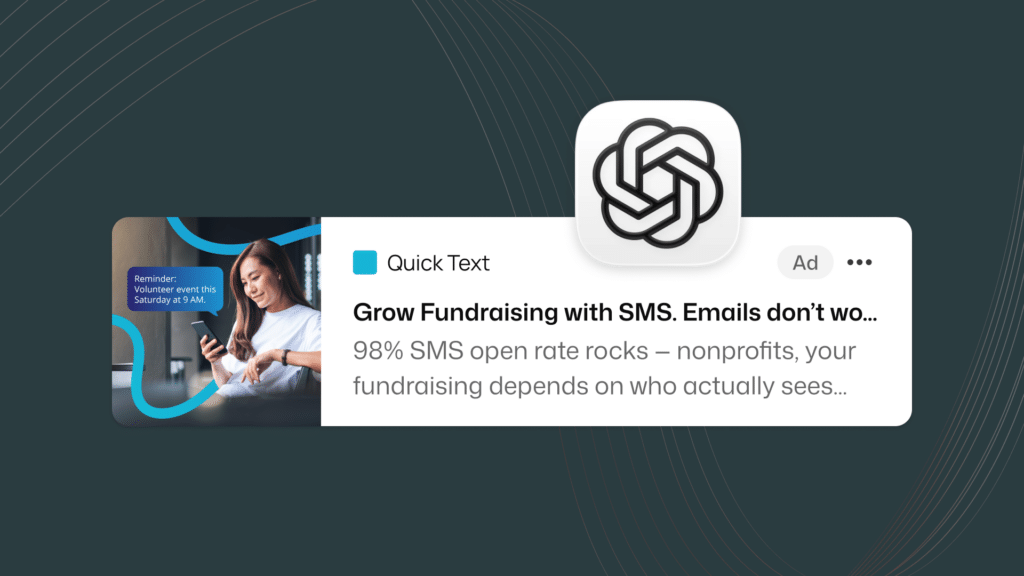
AI search refers to how generative models like Google’s AI Overviews or Bing Copilot deliver answers directly in search results. Instead of listing links, these systems generate summaries that often cite brands, pages, or sources.
GEO (Generative Engine Optimization) is the practice of shaping your content so that large language models (LLMs) recognize, understand, and surface it in their responses. Think of it as optimizing for the new “answer engines” rather than just traditional rankings.
AI SEO is the broader strategy, combining GEO tactics with enterprise search fundamentals, measurement frameworks, and technical execution. AI SEO strategizes how brands adapt to traditional search and AI-driven experiences at the same time to keep up consistent growth.
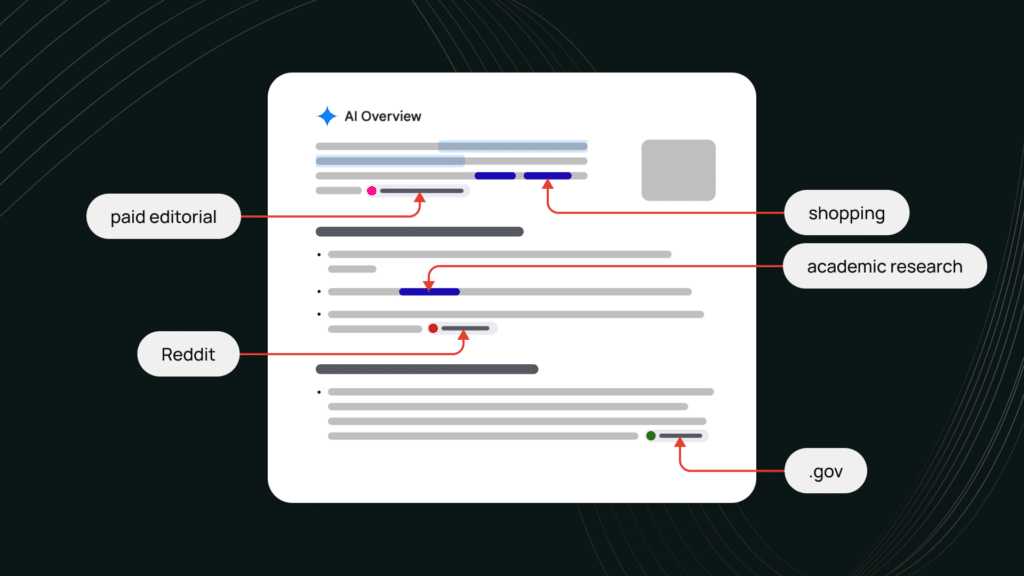
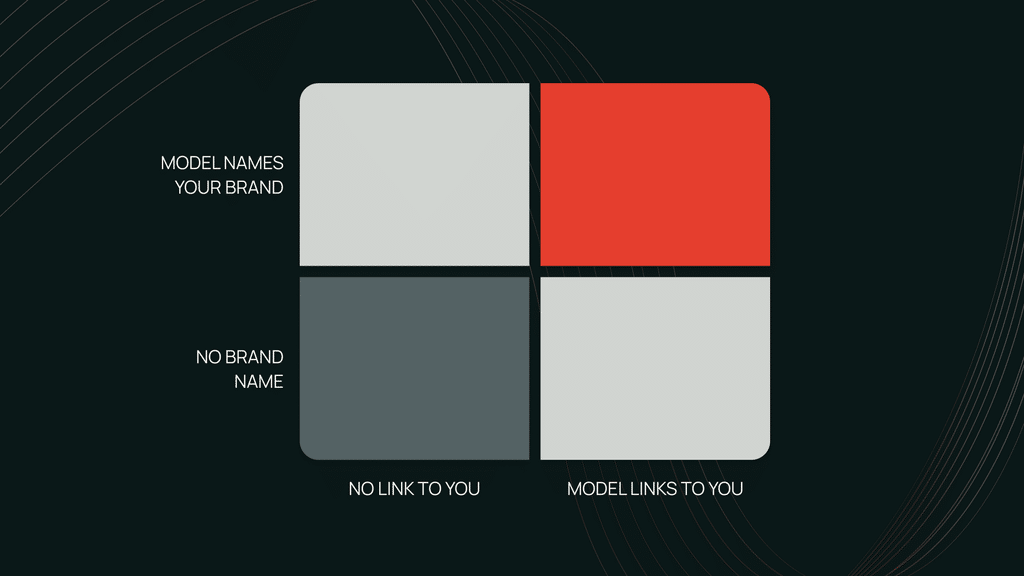
LLM citations are the sources large language models (LLMs) pull from when generating answers. Sometimes they’re linked in the response, and sometimes they’re not, but each influences your brand’s AI search visibility.
There are five common types of citations:
By strengthening these areas, you increase the chances that LLMs will cite your brand, which means more influence in AI-driven search results.
No. In B2C, AI search drives fast, high-volume decisions like product picks and reviews. In B2B, it shapes longer cycles where trust and authority decide the deal. The levers are the same (content, structure, and citations), but the impact plays out differently for each.
AI systems need to understand your expertise and how your content connects across your site. A clear site hierarchy with consistent URLs, subdirectories, navigation, and internal links makes that possible.
When your content is well-structured, LLMs can more easily interpret what your pages are about, how they relate to each other, and why and in what topics your brand is authoritative. Just like strong architecture improves user experience and crawlability, it also improves your chances of being surfaced in AI-driven results.
AI models pull snippets of content to build their answers. Brands that publish strategic, well-structured content are more likely to be cited in those results. Topic clusters, a central pillar page supported by detailed cluster pages, help AI understand context, coverage, and authority. With strong clusters, your brand appears across more queries and sections than competitors who haven’t built supporting content around topic clusters.
No — but it's evolving fast. SEO fundamentals still drive clicks, conversions, and rankings. AI search adds a new layer: visibility in generated answers, not just blue links. The brands winning right now are the ones adapting to both at the same time. We break down exactly how in our full guide.
Early signs of impact, like brand mentions in AI Overviews, can appear quickly with the right strategy. Sustainable growth builds over time as content, structure, and citations strengthen your brand’s authority.
Because LLMs favor fresh, updated content, consistently refreshing existing pages and publishing new material increases your chances of being cited in AI-generated results. At 97th Floor, we help brands capture quick wins while building lasting influence through ongoing optimization.